Merriam-Webster’s new words say a lot about our AI doomsday fears
Merriam-Webster just officially recognized 1,400 new words , and they bring the lexicon of the AI era into the dictionary. On average, Merriam-Webster adds about 1,000 new entries every year, usually in large batches. Its editors are constantly reading widely to identify emerging words, and then searching through databases to determine whether those words are being used frequently, meaningfully,…
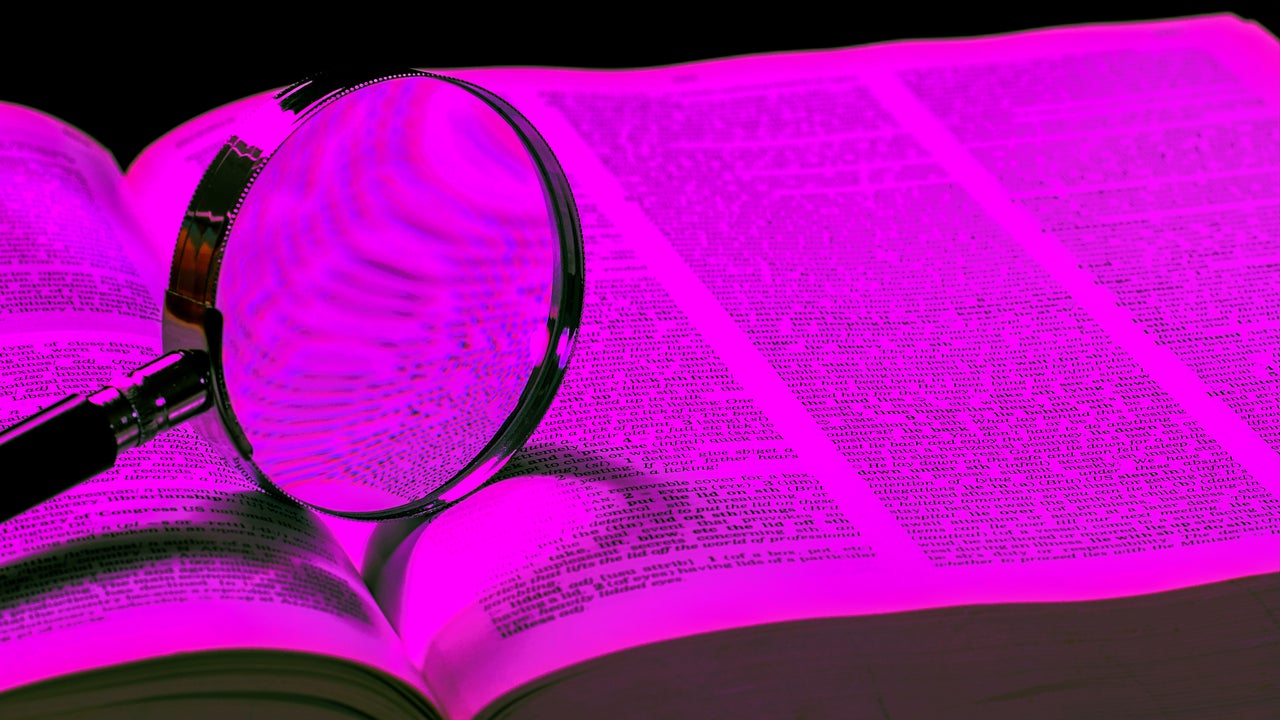
Merriam-Webster has just added 1,400 new words to its lexicon, bringing the dictionary into the AI era. The company's editors continually scan for emerging terms to determine their widespread usage and significance. Once a word meets the criteria of being used by many people with a shared meaning, it becomes part of the dictionary.
This year's new entries include "looksmaxxing," "Sunday scaries," "crashout," and "neckbeard," along with four tech-related terms that say a great deal about the current AI doomsday fears gripping the tech world.
First, the editors included "compute" as a noun, referring to the computational resources needed for a computer or computer program to function. This term has gained traction as tech companies strive to develop the necessary data center infrastructure to support complex AI models. Following "compute" are "vibe coding," the process of generating code using AI, and "AGI" (Artificial General Intelligence), the capability of computer systems to match or surpass human thinking.
Lastly, "uncanny valley" — a psychological phenomenon characterized by unease or repulsion in response to nearly lifelike but imperfectly human-like entities — has officially entered the dictionary.
These four tech terms paint a vivid picture of the AI-related anxieties that have recently taken hold in the tech community. Recently, AI researcher Jacob Coxon resigned from Anthropic, warning in a statement on X that AI could potentially end civilization by the end of the decade. Many other high-profile researchers at Anthropic and OpenAI have echoed Coxon's concerns.
In response, both OpenAI CEO Sam Altman and Anthropic CEO Dario Amodei acknowledged the need to slow down AI development to prevent a techno-apocalypse. As a result, AI doomsday fears have reached an all-time high, influencing the language we use to discuss the technology.
Written by urgent.news from Fast Company's reporting — not their text. Machine-written — may contain errors; check the original before relying on it.