Meloni plans burqa, niqab ban in Italian schools; how it compares to rest of Europe
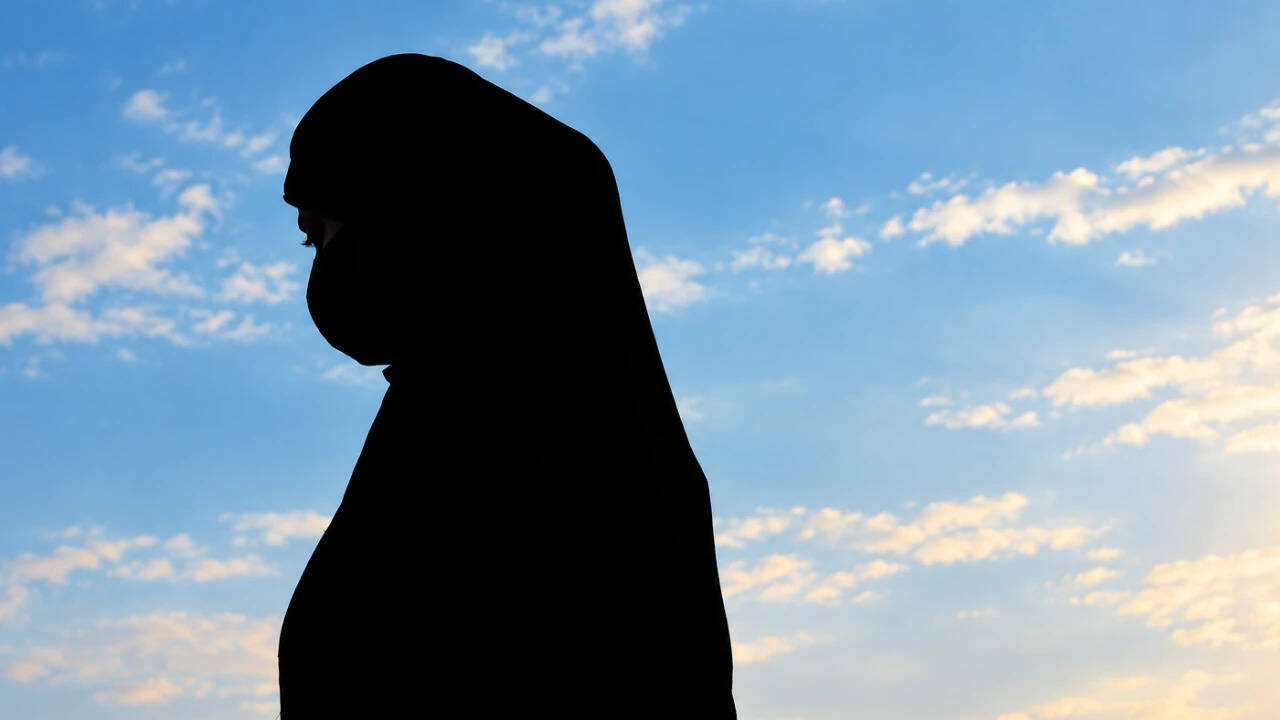
Italian Prime Minister Giorgia Meloni has announced plans to ban the burqa and niqab in schools, reigniting Europe's ongoing debate over face-covering veils and religious expression. The proposed measure, which still needs to pass through the legislative process, would prohibit these garments in educational settings and limit the number of foreign students per classroom. Meloni stated that no one in Italy should be allowed to hide their face in the name of tradition.
Italy's proposal specifically targets burqas and niqabs, but not hijabs. A burqa covers the entire body, including a mesh covering over the eyes, while a niqab covers the face but leaves the eyes visible. In contrast, a hijab covers the hair and neck but does not obscure the face. Italy currently has a 1975 law restricting clothing that makes identification difficult in public places, but there is no nationwide ban on full-face veils in schools.
As Italy joins the European debate on the regulation of face-covering clothing, it stands out in its more targeted approach. Countries like France, Belgium, and Denmark have nationwide bans on face-covering garments in public spaces, while others like the Netherlands and Switzerland limit them to specific settings. Some nations, such as Germany and Sweden, do not have a blanket ban but have implemented restrictions in certain contexts.
Italy's proposed measure is more narrowly focused on schools, aligning it more closely with Austria's approach, which bans full-face coverings in schools from 2026. Whether the proposed ban will become law depends on the legislative process that follows Meloni's Cabinet proposal.
Written by urgent.news from Times of India's reporting — not their text. Machine-written — may contain errors; check the original before relying on it.