AI Executives: When AI Agents Become Managers
Nine people, more than 100 AI agents: start-up founder Dominic von Proeck is testing how companies can grow with digital employees - and why good leadership is crucial for this.
Düsseldorf – 10,000 AI agents collaborating for 88 hours: OpenAI recently claimed to have solved one of mathematics' toughest problems, the Navier-Stokes problem, which offered a million-dollar prize for its solution. This example demonstrates how powerful AI agents can be when they don't just assist but work together efficiently.
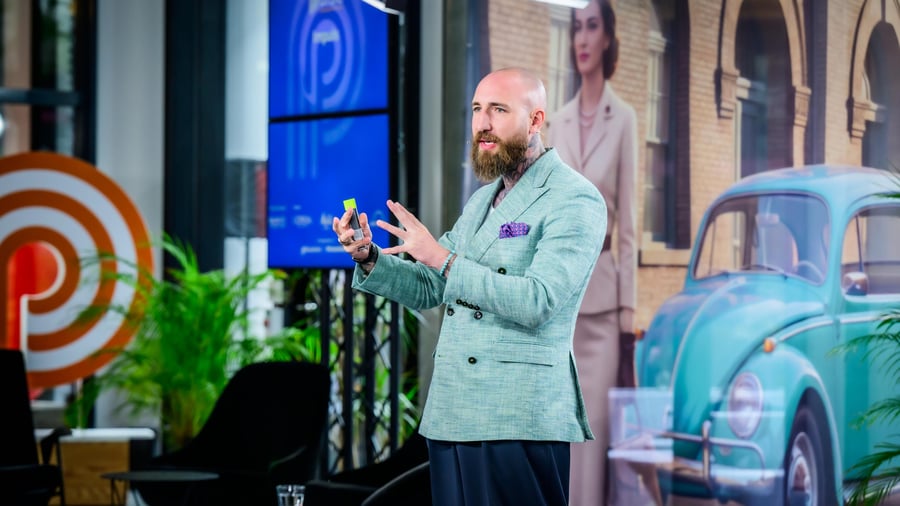
Dominic von Proeck showcased this potential at the "PULSE Women Economic Summit 2026" of the Handelsblatt Media Group, highlighting a central insight: those who wish to grow with AI agents must learn to lead them. Von Proeck, co-founder of KI startup Leaders of AI, is testing this at his education company, where nine humans collaborate with more than 100 AI agents.
According to von Proeck, the number of human employees should not exceed ten; growth should come exclusively from artificial intelligence.
Written by urgent.news from Handelsblatt's reporting — not their text. Machine-written — may contain errors; check the original before relying on it.
This story
This is one outlet's version. Read the fullest account.
- KI-Führungskräfte: Wenn KI-Agenten zu Managern werden handelsblatt.com