KI-Führungskräfte: Wenn KI-Agenten zu Managern werden
Neun Menschen, mehr als 100 KI-Agenten: Start-up-Gründer Dominic von Proeck erprobt, wie Unternehmen mit digitalen Mitarbeitern wachsen können – und warum dafür gute Führung entscheidend ist.
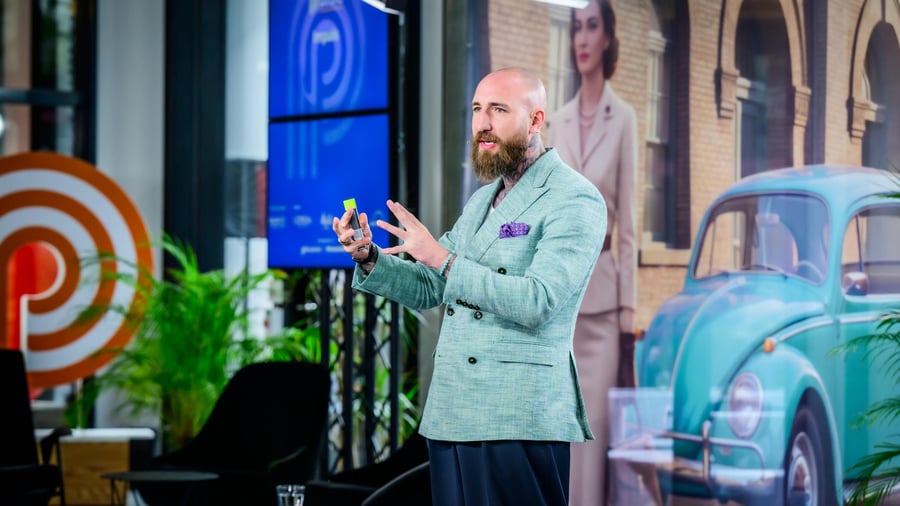
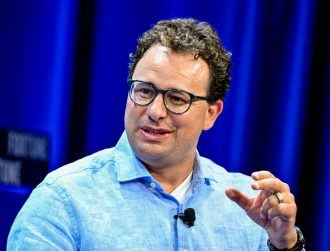
Ten thousand AI agents worked together for 88 hours to solve one of the most challenging problems in mathematics – the Navier-Stokes problem, for which a million-dollar prize was offered. This demonstrates the power of AI agents when they collaborate. Dominic von Proeck shared this insight at the "PULSE Women Economic Summit 2026" of the Handelsblatt Media Group, highlighting how companies can leverage this potential.
Von Proeck emphasized that to grow with AI agents, one must learn to lead them. As the founder of Leaders of AI, he tested this concept within his company, where nine humans work alongside over 100 AI agents. The number of human employees should not exceed ten; instead, the company will grow exclusively with artificial intelligence.
When selecting AI agents, the company creates a profile for each, with a name, personality traits, and responsibilities. Each agent has specific tasks and access rights. For instance, AI Agent Hansi writes LinkedIn posts, Lars manages Instagram, Lea handles the newsletter, and Paula produces the podcast. However, managing this digital workforce initially increased the workload for human employees, who had to distribute tasks, correct results, and develop the agents.
Von Proeck noted that they felt stressed like never before, so he introduced an additional leadership level in the form of an agent called Jürgen. This agent coordinates the digital colleagues, receives news and trends, and creates a publishing plan. His human supervisor, Melanie, the human editorial responsible, reviews the topics, and Jürgen distributes the tasks.
Melanie then approves the final contents. While this process was initially laborious, with Jürgen building LinkedIn Agent Hansi in just one hour, it took ten weeks for Hansi to produce good posts. Von Proeck learned that explicit instructions for what constitutes a good LinkedIn post were impossible. In repeated feedback rounds and loops with Slack, he had to convey his expectations until the results met his standards.
These experiences changed his perspective on leading AI agents: not digital competence but human leadership qualities are crucial. Just like human employees, AI agents need clear communication, understandable goals, regular interaction, and precise feedback. Von Proeck emphasized that outstanding leadership qualities are essential, regardless of whether an individual is an AI agent or a human.
In the future, even specialists without leadership ambitions will need to learn to delegate tasks to digital employees, explain expectations, and review results. Von Proeck is convinced that all future leaders will be individuals skilled in managing artificial intelligence. This is why the future of organizations will remain deeply human, as the need for empathy, understanding, and human touch remains essential.
Written by urgent.news from Handelsblatt's reporting — not their text. Machine-written — may contain errors; check the original before relying on it.
Also reported by 1 other outlet
- AI Executives: When AI Agents Become Managers handelsblatt.com