Iran Refuses Strait Of Hormuz Reopening, Demands US Meet Conditions Before Talks Resume
Iran has ruled out reopening the Strait of Hormuz or returning to the earlier negotiation framework with the United States unless Washington fulfils Tehran’s conditions, Iranian Parliament Speaker Mohammad Bagher Ghalibaf said amid rising tensions between the two countries. Ghalibaf said Iran had communicated its demands to the US through intermediaries and would not reconsider its position until…
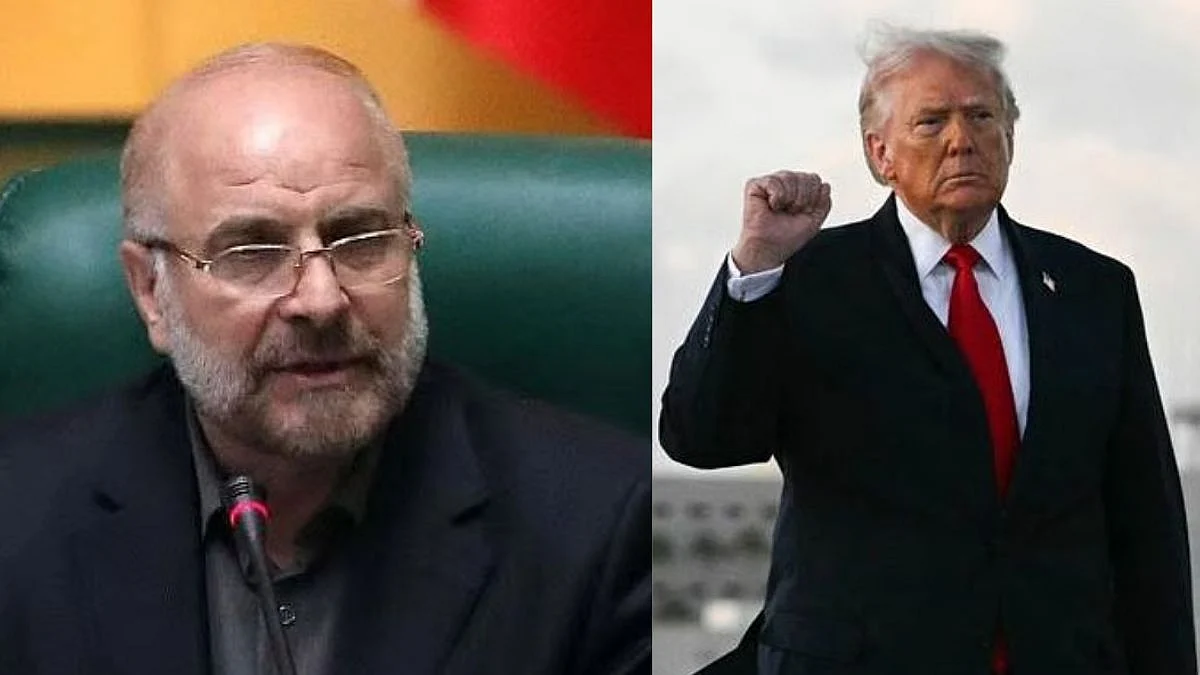
Iranian Parliament Speaker Mohammad Bagher Ghalibaf has stated that the Islamic Republic will not reopen the Strait of Hormuz or return to the previous negotiation framework with the United States unless Washington meets Iran's demands. Ghalibaf confirmed that Iran has communicated its conditions to the US via intermediaries and will not reconsider its stance until those conditions are addressed.
He emphasized that Iran's rights and commitments must be recognized by the US before any talks or reopening of the Hormuz Strait can take place. The Strait of Hormuz, a crucial waterway for global energy shipments, has become a focal point in the current US-Iran conflict, with any restrictions potentially impacting international trade and oil supplies.
Ghalaf's remarks followed Iran's warning that any new US military action would prompt attacks on American bases and interests in the region. Iran also cautioned regional nations against supporting any US military operations, asserting that such assistance would make them complicit in any action against Tehran. Meanwhile, the US Central Command reported that forces had redirected 109 commercial vessels to ensure compliance with Washington's naval blockade on Iranian maritime traffic.
The situation escalated as US President Donald Trump threatened Iran with consequences for not altering its approach, while also suggesting a willingness to engage in talks with Iranian President Masoud Pezeshkian. These developments coincide with the UN General Assembly, where the US-Iran tensions and broader West Asia issues are anticipated to be prominent topics.
Written by urgent.news from Free Press Journal's reporting — not their text. Machine-written — may contain errors; check the original before relying on it.