55,169 civil servants at high risk of suicidal tendencies
KUALA LUMPUR: A total of 55,169 civil servants have been categorised as officers with a high risk of suicidal tendencies, based on findings from the Digital Psychological Health Profile System for Civil Servants (MyPsyD).
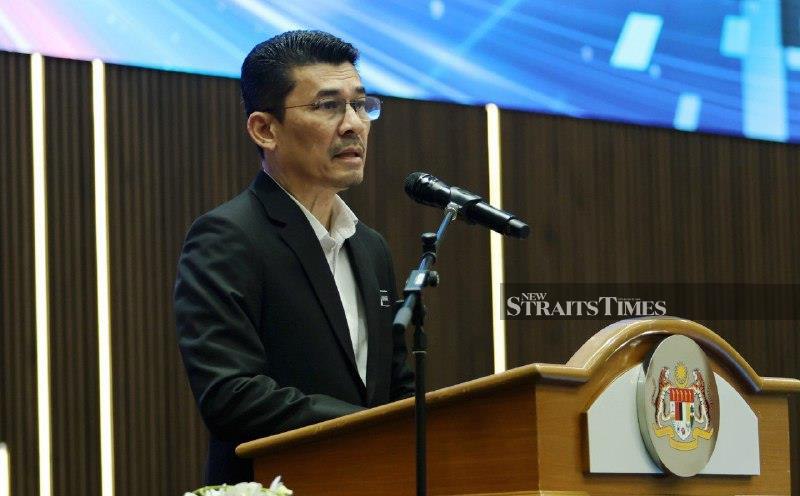
A staggering 55,169 civil servants have been identified as being at high risk of suicidal tendencies, according to the Digital Psychological Health Profile System for Civil Servants (MyPsyD). The Deputy Director-General of Development for the Public Service Department, Datuk Dr Mohd Bakhari Ismail, emphasised the critical need for strengthening psychological well-being among civil servants.
This figure is vital as it underscores the importance of holistic efforts to enhance psychological well-being, which in turn impacts organisational efficiency, responsiveness, and resilience. Speaking at the opening ceremony of the 2026 Public Service Psychology Officers Conference, Dr Ismail highlighted that psychological well-being is a vital factor influencing an organisation's overall well-being, affecting the quality of service delivery.
Efforts to bolster psychological well-being should be seen as a strategic investment to ensure that civil servants, the backbone of the nation's administration, remain efficient, responsive, and resilient. The Malaysian Psychological Well-being Index Study of 2025 revealed that psychological well-being is crucial for organisational health, impacting service delivery quality.
In July, Chief Secretary to the Government, Tan Sri Wan Ahmad Dahlan Abdul Aziz, announced intensified early intervention measures to tackle mental health issues among civil servants, following a MyPsych study that identified over 40,000 civil servants with tendencies towards negative behaviours, including suicide attempts. Heads of departments were tasked with collaborating with psychology officers to provide early interventions for those at risk.
PSYCON 2026 convened more than 500 participants from various ministries, departments, and government agencies to enhance the psychology profession's capabilities in addressing evolving work environments and complex psychosocial challenges. Dr Ismail noted that the dynamic nature of modern administration demands not only professional dedication and integrity but also the ability to manage work-related stress effectively.
The government provides various psychosocial support forms, including financial assistance, training, improved service schemes, salaries, allowances, and facilities through the Public Service Remuneration System. To balance work and life, the Hybrid Working Day (HBH) policy, introduced on August 1, offers a more flexible approach.
The PSD is developing Public Service Mental Health Guidelines and a Civil Servants' Happiness Index to comprehensively measure psychological well-being. The PSD is also studying the direction and empowerment of the Psychology Services Scheme to ensure its relevance in addressing changes and emphasising the development of Psychology Officers' competency and professionalism through professional certification courses.
Written by urgent.news from New Straits Times's reporting — not their text. Machine-written — may contain errors; check the original before relying on it.
Also reported by 1 other outlet
- 55,000 civil servants facing high mental health risk freemalaysiatoday.com