Reporter’s note: two Delhis, one weekend – when the world came to dinner
I grew up in Delhi. Not Lutyens’ Delhi, that quieter, greener stretch of tree-lined avenues and high-walled colonial bungalows where the VIPs live. But close enough to know that two cities share one name. One Delhi is generally messy. Rubbish piled into small mountains by the roadside. No footpaths to walk on. Narrow streets marked as one way, with every kind of traffic coming at you from every…
Growing up in Delhi, the reporter was familiar with the two distinct cities that coexist under one name. One Delhi was known for its messiness, with rubbish piling up along the roadsides, no footpaths, and narrow, congested streets. The other Delhi, the reporter described, was the city that transformed when world leaders visited.
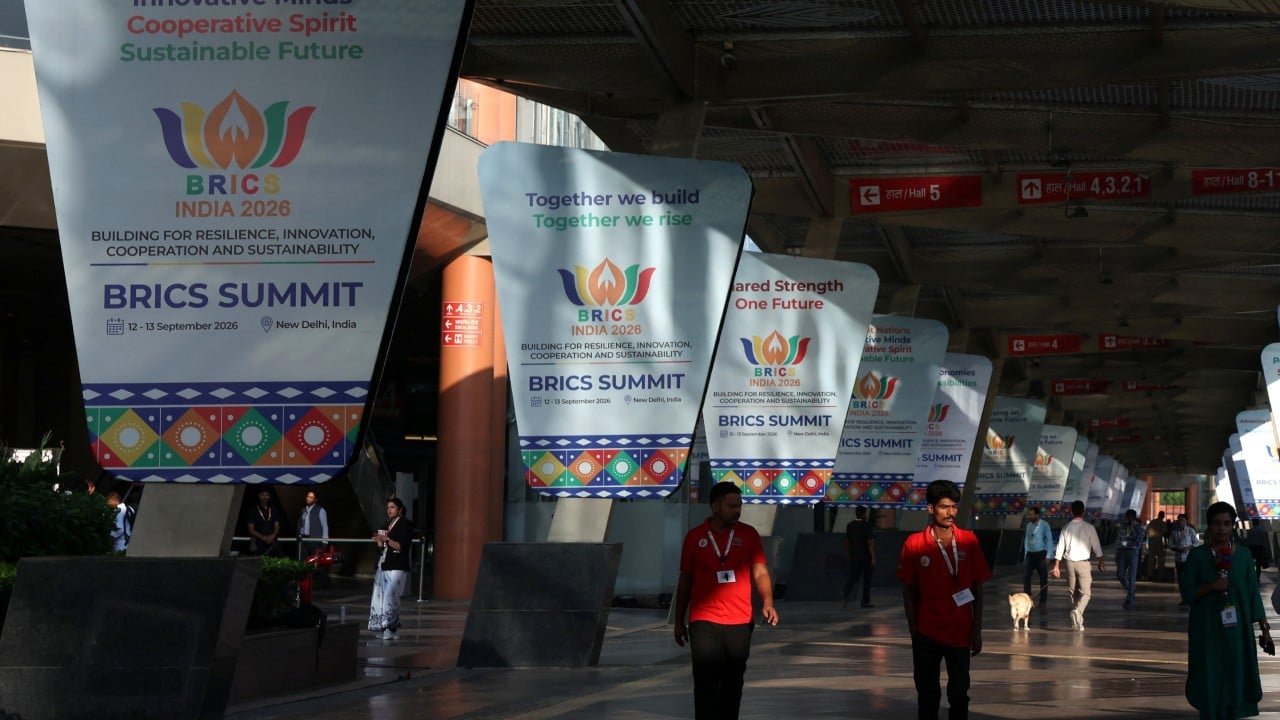
Last week, the second Delhi took center stage as the 18th BRICS summit commenced. The summit marked two decades of the grouping, featuring 11 member nations, and showcased the Bharat Mandapam convention center, which had been meticulously prepared for the event.
The city was adorned with banners, flags, and faces, reflecting the theme of building resilience, innovation, cooperation, and sustainability. As the summit commenced, the capital resembled a house ready to host guests, with Wi-Fi functioning without any issues inside the Bharat Mandapam. However, the Wi-Fi problems persisted outside the venue, affecting the media's ability to communicate effectively.
Despite the challenges, the food provided was abundant and entirely vegetarian, reflecting the old Indian instinct of treating guests well.
During the summit, Indian and Chinese leaders adopted a unanimous declaration addressing issues such as the Pahalgam attack in India-administered Kashmir, UN reform, and the inclusion of the Global South in global decision-making. The visit of Chinese President Xi Jinping to India for the first time in seven years was seen as a thaw in relations, with both sides agreeing to maintain peace on the disputed Himalayan border.
The media center buzzed with activity, and Chinese and Indian crews even appeared on each other's national broadcasters, exchanging warm words about the visit and the venue.
However, as the summit progressed, the challenges returned. Media crews were initially promised shuttles to the venue, but the buses failed to run in the evenings, leaving many journalists stranded. The roadblocks and delays added to the frustrations, with some colleagues waiting for hours before being transported to the venue. Despite the logistical issues, the reporter felt content with India's efforts to host world leaders and secure a significant diplomatic achievement.
The week concluded with the city once again divided, with the Delhi of barricades and motorcades coexisting with the Delhi of dust and Wi-Fi problems. Both Delhis were real, and the reporter kept both perspectives in mind. The city had raised itself for one historic weekend, standing tall and welcoming the world, demonstrating that it could accommodate both challenges and opportunities.
Written by urgent.news from South China Morning Post's reporting — not their text. Machine-written — may contain errors; check the original before relying on it.
This story
This is one outlet's version. Read the fullest account.