Reporter’s note: two Delhis, one weekend – when the world came to dinner
I grew up in Delhi. Not Lutyens’ Delhi, that quieter, greener stretch of tree-lined avenues and high-walled colonial bungalows where the VIPs live. But close enough to know that two cities share one name. One Delhi is generally messy. Rubbish piled into small mountains by the roadside. No footpaths to walk on. Narrow streets marked as one way, with every kind of traffic coming at you from every…
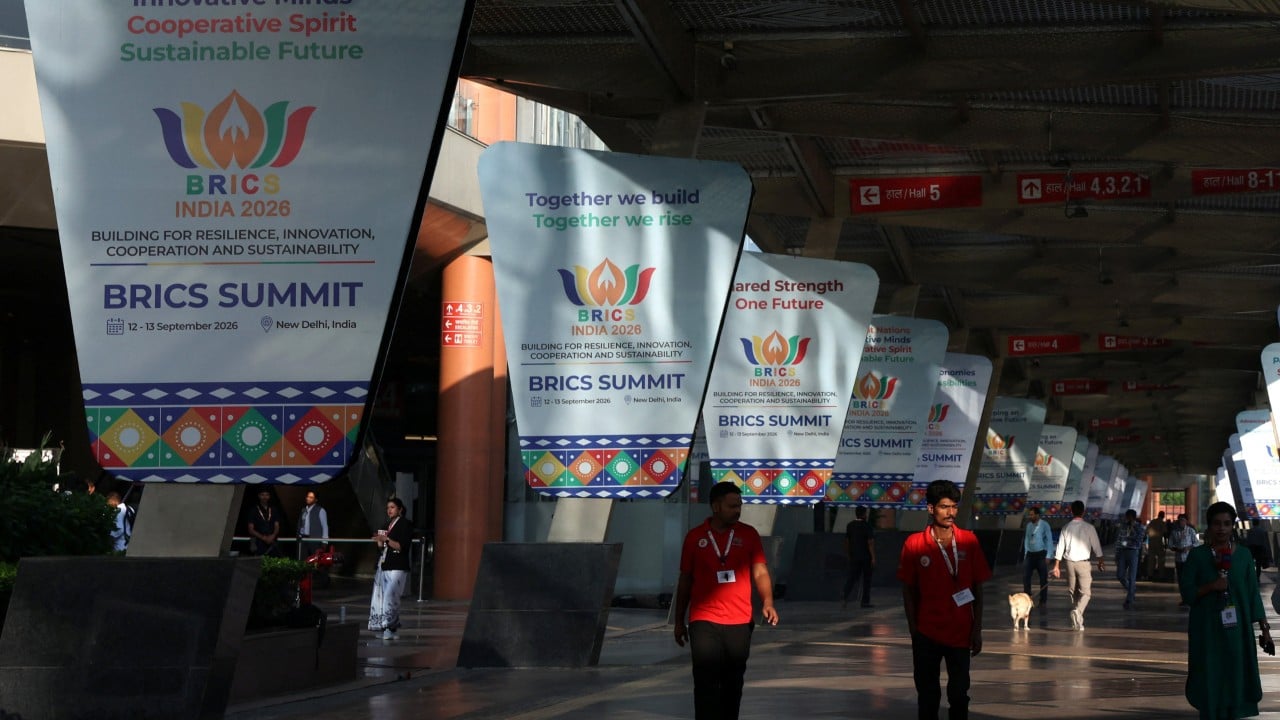
When the world arrived in Delhi, the city transformed. For a brief period, it shimmered like a well-groomed house hosting important guests. The 18th Brics summit, marking two decades of cooperation among 11 nations, brought an array of international leaders to the Indian capital. The Bharat Mandapam convention centre, erected on the old Pragati Maidan grounds, became the epicenter of the event. Its glass and steel structure gleamed under the lights, symbolizing resilience, innovation, and cooperation.
Delhi, however, is not just the bustling metropolis of chaos and dust. It is also the immaculate city that graces the world during significant events. Last week, that polished version of the city was on display. The streets were adorned with banners and flags, and the atmosphere buzzed with activity. The international media center within Bharat Mandapam was filled with journalists, eager to cover the summit.
Despite the heightened security, the city remained open. Ordinary citizens faced long queues, but the spirit of cooperation prevailed. The Wi-fi, an essential tool for journalists, proved to be unreliable, yet the food served was plentiful and vegetarian, catering to the dietary preferences of the international delegates.
Indian media covered the summit with enthusiasm, highlighting the unanimous New Delhi Declaration adopted by the leaders. The declaration addressed key issues such as UN reform and the Global South's representation. Chinese President Xi Jinping's first visit to India in seven years added a diplomatic touch to the proceedings. His meeting with Prime Minister Narendra Modi was seen as a thaw in the relationship, with both nations pledging to work together and maintain peace on the disputed Himalayan border.
The media center witnessed a remarkable display of collaboration between Chinese and Indian crews. Reporters from China's state broadcaster appeared on Indian national broadcaster DD News, sharing warm words about the visit and the venue. This brief ceasefire between the two nations offered a glimpse of improved relations, at least for a few hours.
However, the joy was short-lived. As the week progressed, tensions resurfaced. Islamabad and Beijing held a meeting to establish a Pakistan-China Boundary Joint Commission, a move that India rejected, citing a lack of legal basis. Indian media outlets quickly shifted their focus to the ongoing diplomatic dispute, cooling the warmth of the previous weekend.
Delhi is a city that embodies contradictions. It is the Delhi of bustling streets, messy roads, and congested traffic, where ordinary citizens face challenges daily. At the same time, it is the Delhi that opens its doors to the world, hosting dignitaries and creating an environment conducive to international cooperation. The city's ability to adapt to both situations is a testament to its resilience and the spirit of its people.
For those who grew up in Delhi, like the reporter, this historic weekend served as a reminder of the city's capacity to embrace the world. It stood tall, opened its arms, and reminded them why leaving was never quite goodbye. Both Delhis, the messy one and the immaculate one, are real, and the city continues to navigate the complexities that come with hosting the world.
Written by urgent.news from Reuters Business via SCMP's reporting — not their text. Machine-written — may contain errors; check the original before relying on it.