The cooling trap: how Asia’s air conditioners are making heatwaves worse
As heatwaves become more frequent and intense across Asia, the region faces a dangerous power paradox. Soaring demand for air conditioning threatens to push electricity grids closer to failure just as extreme heat puts the infrastructure under greater strain, raising the risk of cooling disappearing when people need it most. That risk has been visible across the region this summer. In South…
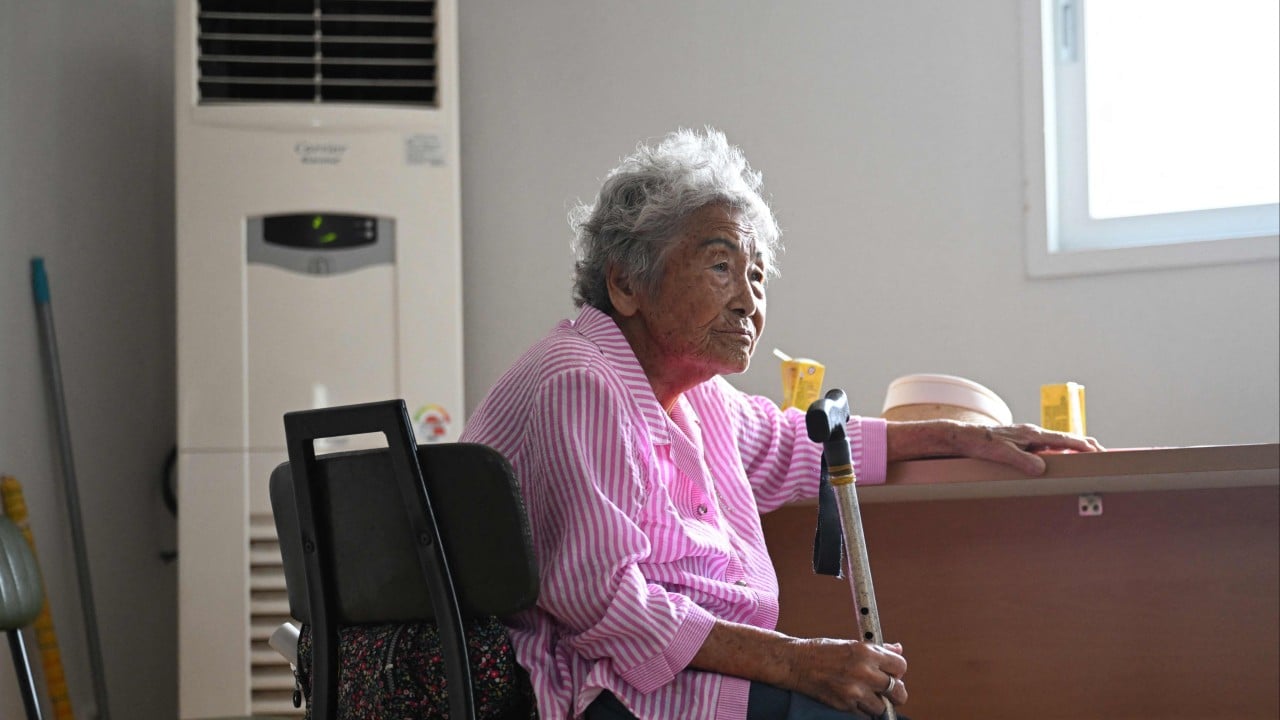
In Asia, soaring demand for air conditioning is exacerbating heatwaves during frequent and intense heatwaves. Electricity grids are under threat as cooling needs increase, risking failure when people need it most. This dangerous paradox was evident in South Korea where a record heatwave was labeled a national disaster in August after 19 deaths, and Japan where 39 people died of heatstroke in August, with 37 of them inside homes without air conditioning.
In India, peak electricity demand reached nearly a record in May due to hot weather, with nearly a third of coal-fired plants running with critically low fuel stocks.
Power systems under stress from both heat and demand can overheat, lose efficiency, and become more susceptible to failure. Karachi serves as a stark example of the consequences of extreme heat and power failure, with chronic outages during a heatwave in 2015 resulting in over 1,200 deaths. As air-conditioning ownership continues to grow, the risks to power systems and residents are expected to escalate.
The International Energy Agency projects that global demand for cooling technologies will reach 4,500 terawatt-hours by 2035, up from 2,900 TWh in 2025. In Asia, the combination of intense heatwaves and rising incomes is driving a surge in air-conditioning adoption, particularly in developing nations. By 2050, Indonesia is expected to have 85% of its population owning air conditioners, a shift fueled by both rising incomes and extreme heat.
However, air conditioning not only adds to the urban heat it aims to alleviate but also contributes to "anthropogenic heat" through hot air expelled into the atmosphere.
While reducing air conditioning use is not a viable solution, as it protects health, particularly for the elderly and vulnerable, more efficient and affordable models are crucial. Governments can play a key role by implementing measures such as subsidies, rebates, and minimum energy performance standards. Additionally, urban planners should identify areas that allow wind to ventilate dense neighborhoods and designate them as "no-build zones" to alleviate heat stress.
Written by urgent.news from South China Morning Post's reporting — not their text. Machine-written — may contain errors; check the original before relying on it.