Palestine, Iran, Yemen: What BRICS Delhi Declaration tells us about the shifting sands in West Asia
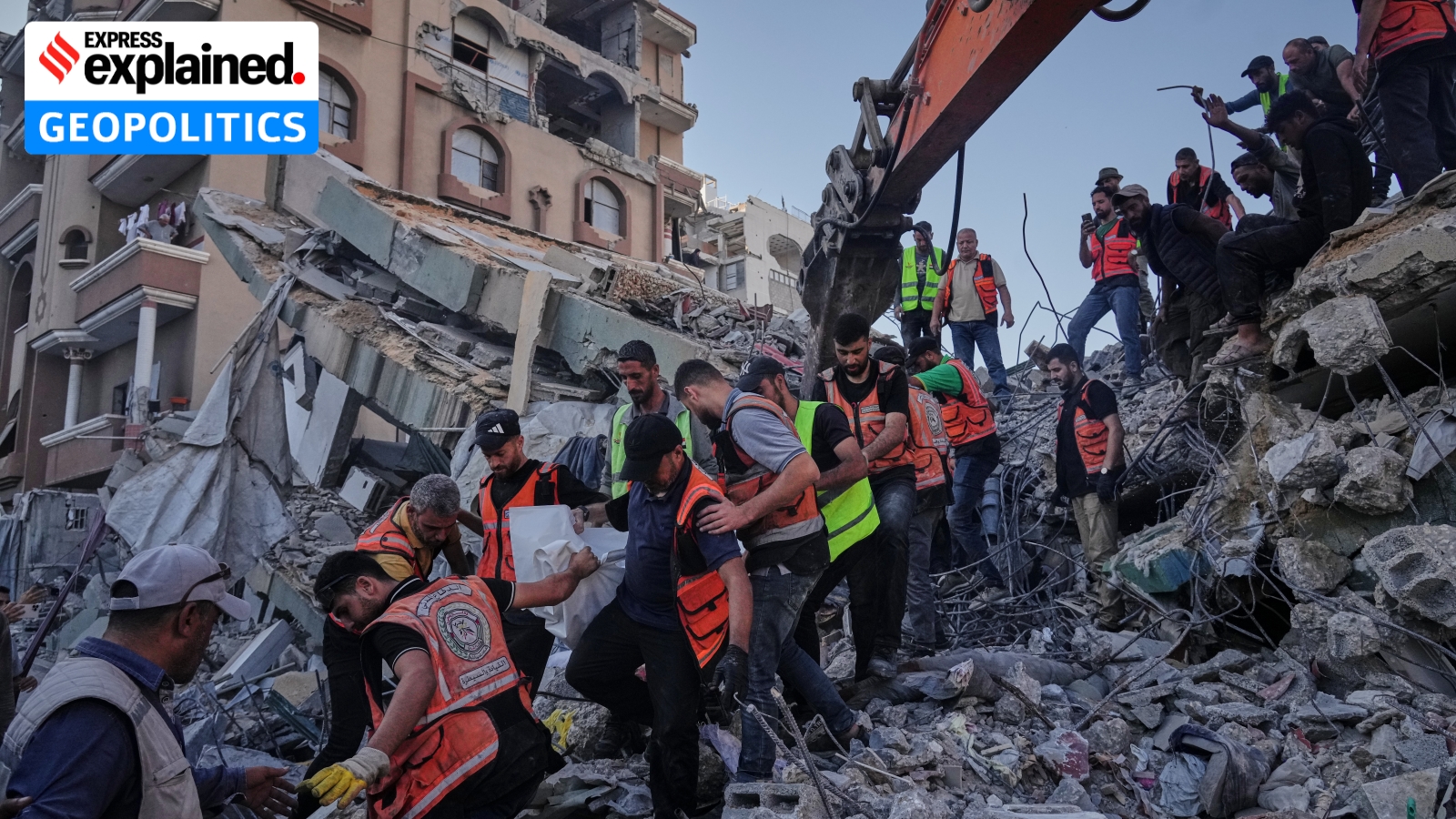
The 2026 New Delhi BRICS Declaration, a consensus document featuring China, Russia and Iran, highlights subtle shifts in the positions of key conflict variables in West Asia. The declaration takes note of the UN Security Council's Resolution 2803, which was adopted on November 17 and included the Donald Trump-backed Gaza peace plan.
The resolution omitted Israel's obligation to return to 1967 borders and the UN's foundational principles on Palestine, causing Russia and China to abstain. This reflected an American position that diverged from past administrations. The Arab Peace Initiative, a "land-for-peace" arrangement outlined in 2002, was reaffirmed in the declaration, calling for the establishment of a sovereign, independent and viable State of Palestine within the internationally recognized 1967 borders.
This reflects a more pragmatic Arab position following the failure of the Oslo Peace Process and the onset of the Second Intifada. The declaration also highlights the Iran war in West Asia, as Iran retaliated against targets in Arab states following the US-Israeli war on Iran. The Iran declaration was particularly fraught due to disagreements over the situation in West Asia among the BRICS members.
Written by urgent.news from The Indian Express's reporting — not their text. Machine-written — may contain errors; check the original before relying on it.