US weighs delaying Taiwan arms sales until after Apec and G20 summits
The United States is considering postponing the announcement of major arms sales to Taiwan until after November’s Apec summit in Shenzhen, multiple sources told the South China Morning Post. The potential delay comes as Chinese President Xi Jinping prepares to travel to Washington next week for a state visit. The sources said there was a strong possibility US President Donald Trump could extend…
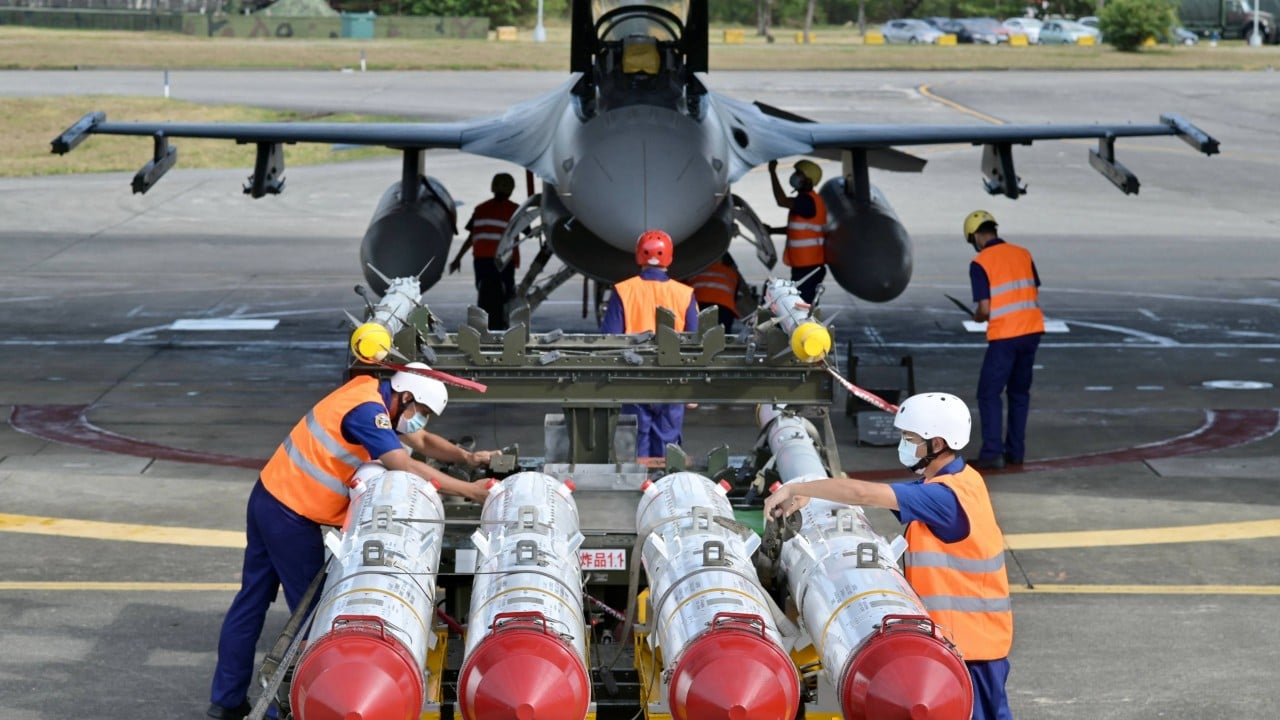
The United States is contemplating postponing the announcement of significant arms sales to Taiwan until after the Apec summit in Shenzhen and the G20 summit in December, according to multiple sources cited by the South China Morning Post. This potential delay coincides with Chinese President Xi Jinping's upcoming state visit to Washington.
There is a strong likelihood that U.S. President Donald Trump may extend this delay until the end of the year, contingent on a bilateral meeting between the two leaders at the Apec summit and Xi’s anticipated visit to Florida for the G20 conference. One source suggested that Trump is weighing various options to postpone the issuance of arms sales to Taiwan, but the ultimate decision would likely involve a compromise among him, the China hawks, and Taiwan's lobbyists.
President Trump has considered delaying the sale of arms until the end of 2028 or January 2029, which would align with the end of his current term. However, he faced considerable resistance from hawks following the initial suggestion. A postponed decision "might have limited impact on the actual delivery timeline," given the existing delivery backlog for Taiwan.
The backlog persists as American defense contractors prioritize replenishing urgent U.S. military inventory and addressing combat theaters, particularly in the Middle East. Chronic constraints within the U.S. defense industry, exacerbated by supply chain disruptions and labor shortages, have contributed to the backlog. China regards Taiwan as an integral part of its territory and may assert force to reunite it if necessary.
While most countries, including the United States, do not acknowledge Taiwan as an independent state, Washington staunchly opposes any military force attempt against the self-ruled island and is committed to supplying it with weapons. Chinese officials have reportedly privately urged the U.S. to postpone any new arms sales to Taipei prior to Xi’s trip to Washington, mirroring their stance during Trump’s visit to Beijing in May.
Despite Beijing's preference for delaying sales as long as possible, officials acknowledged that Washington could not indefinitely postpone them. Taiwanese officials have expressed concerns about the likelihood of Trump delaying arms sales until the end of his presidency. Two sources familiar with the discussions indicated that the Trump administration might unveil a smaller arms package between the Washington summit next week and the Apec meeting in November.
However, a multibillion-dollar deal akin to past years is deemed less probable. Trump has been advised by some China hawks to adopt a "piecemeal approach," approving a small sale first to appease Taipei. The administration may provide Beijing with advance notice of smaller sales to prevent any surprise and avoid it being perceived as a breach of their understanding, according to sources.
While Beijing will undoubtedly oppose a smaller arms package and publicly voice its displeasure, it may acquiesce without significant retaliation, according to a source familiar with the matter. The delay in arms sales is not unprecedented. Similar delays occurred before, such as when former U.S. President Barack Obama froze arms sales to Taiwan from 2011 to 2015 and George W. Bush did the same from 2007 to 2008.
The Sino-American military relationship and resumption of security dialogue depend on Washington's assurances regarding Taiwan. Beijing and Washington are engaged in discussions to strengthen military-to-military ties during Xi's visit to Washington, signaling a rare respite in their otherwise hostile relationship. They are also contemplating the resumption of arms-control talks halted in 2024 due to U.S. weapons sales to Taiwan, which could encompass military personnel.
Written by urgent.news from Reuters Business via SCMP's reporting — not their text. Machine-written — may contain errors; check the original before relying on it.