Singapore’s North-South Corridor delayed by two years after underground construction challenges
The North-South Corridor’s viaduct section will now open in phases from 2029, while its tunnel section is expected to open from 2031.
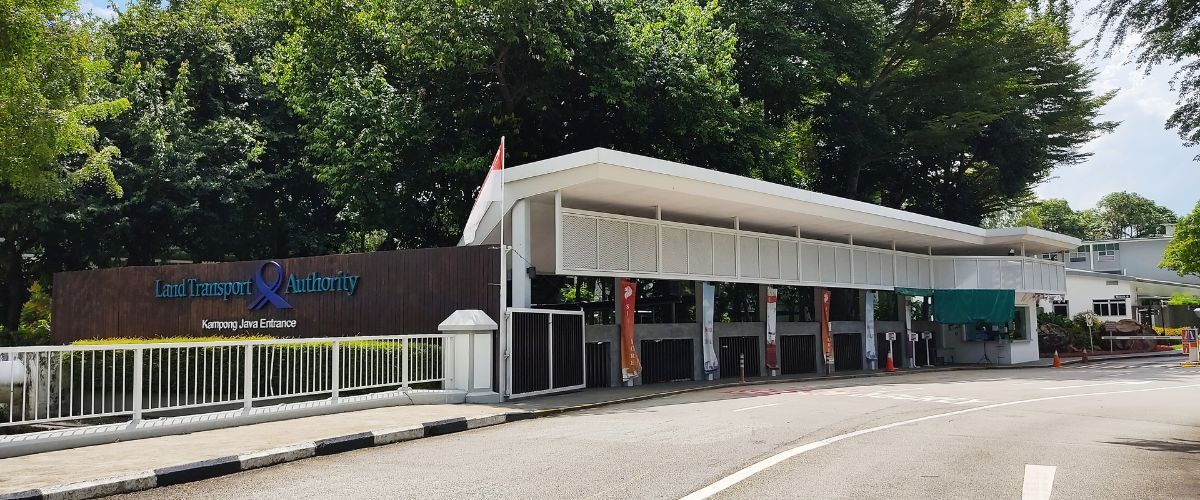
Singapore's North-South Corridor (NSC) will face a two-year delay, announced by the Land Transport Authority (LTA). This extension is due to challenging ground conditions, complex excavation needs, and the intricacies of working near existing MRT systems and roads. The 21.5 km viaduct segment, stretching from Admiralty Road West to Lentor Avenue, now targets phased openings in 2029, rather than the original 2027 target.
Meanwhile, the tunnel portion from Lentor Avenue to the East Coast Parkway will open in phases beginning in 2031, rather than the previously planned 2029.
As of August 2026, over 90% of the viaduct foundation work and more than 90% of the tunnel foundation work have been completed. Construction is now advancing towards above-ground structures, with ongoing major excavation activities across the 12.3 km tunnel alignment. The LTA identified three specific site challenges contributing to the delay.
At Gambas Avenue and Woodlands Avenue 8, the presence of unexpected and higher rock formations necessitated more time to lay the viaduct's foundations, delaying the transition to above-ground work. At Novena, the NSC tunnel traverses both above and below the operational North-South Line (NSL), with clearance distances as narrow as one meter.
Fractured rock and groundwater inflows beneath the live NSL tunnel forced the LTA to opt for a more precise and time-consuming method of excavation, breaking the work into smaller sections and continuously removing rock, grouting, and adding supports to maintain safety and prevent soil movement or settlement that could impact live MRT operations and surrounding traffic.
At Thomson, the NSC encountered harder-than-expected rock formations and highly variable ground conditions, requiring extensive controlled rock blasting, additional rock removal, and ground stabilization before excavation could proceed safely. Construction methodologies and earth-retaining systems also had to be revised. The LTA clarified that the full impact of the delays and their subsequent effects became apparent as the works progressed and actual ground conditions were confirmed.
As a sequence-dependent project, delays at critical work fronts compounded across subsequent activities.
Despite the revised opening timeline, the LTA assured that travel conditions along the NSC will gradually improve. Starting in 2027, construction activities will shift underground, reducing surface-level disruptions. By 2028, roads, footpaths, and adjacent areas currently occupied by construction will be returned to public use. The LTA acknowledged the prolonged impact on residents, businesses, motorists, and commuters along the corridor and pledged to deploy additional manpower and equipment, optimize construction sequences, and prioritize critical activities to regain lost time where possible.
Upon completion, the NSC will serve towns such as Sembawang, Yishun, Ang Mo Kio, Toa Payoh, Novena, and Rochor. This will alleviate congestion along the Central Expressway (CTE) and major arterial roads, including Thomson and Marymount Roads, while providing connections to the North-South Expressway (SLE), the Pioneer Expressway (PIE), and the East Coast Parkway (ECP).
With traffic rerouted to the NSC, surface streets along the corridor will be progressively repurposed to prioritize walking, cycling, public transport, and community spaces.
Written by urgent.news from The Independent Singapore's reporting — not their text. Machine-written — may contain errors; check the original before relying on it.