Urgent.News

What's breaking now, across thousands of outlets.

Science

Moon phase today: What the Moon will look like on September 19, 2026

See the Moon phase expected for September 19, 2026 as well as when the next Full Moon is expected.
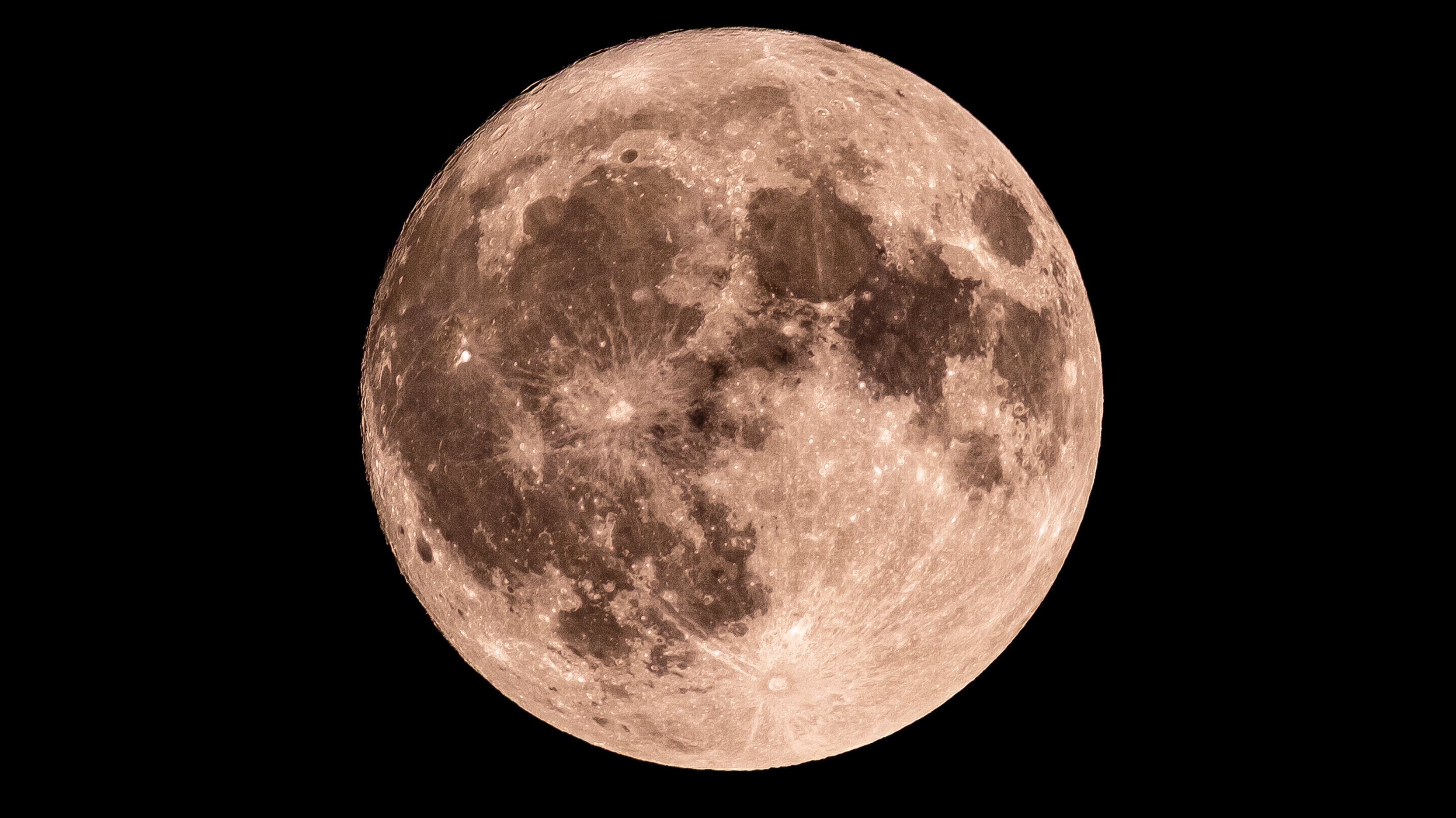
Moon phase today: What the Moon will look like on September 19, 2026

Today's Moon phase is a Waxing Gibbous, with 54% of its surface illuminated. This means that more of the lunar surface is visible each night, providing ample opportunities to spot various features. At present, you can see Mare Vaporum, Mare Serenitatis, and Mare Fecunditatis with just your naked eye. If you own a pair of binoculars, they will also enhance your view, allowing you to observe the Alphonsus Crater, Posidonius Crater, and the Mare Nectaris.

For those with access to a telescope, the Apollo 16 and 17 landing sites, as well as the Linne Crater, can be observed. The next Full Moon is expected on September 26.

Written by urgent.news from Mashable's reporting — not their text. Machine-written — may contain errors; check the original before relying on it.

Read the original at mashable.com →

More in Science

Improving urban flood forecasting with real-time hazardous rainfall detection

The Korea Institute of Civil Engineering and Building Technology (KICT) announced that it will apply its early detection technology for quasi-stationary linear rainbands and sudden localized torrential rainfall to the Urban Flood Forecasting Platform operated by the Han River Flood Control Office in Korea for urban flood forecasting.

World’s 1st Electric Power Steering Systems Registered in Japan as ‘Essential Historical Materials for Science and Technology’

The National Museum of Nature and Science registered 13 new items, including the world’s first electric power steering systems that assist a driver to steer an automobile, as Essential Historical…

  • World's first electric power steering systems registered in Japan
  • National Museum of Nature and Science in Tokyo collects items
  • Electric power steering enhances fuel efficiency and reduces space

Has the James Web Space Telescope Discovered a New 'Black Hole Star'?

The James Webb Space Telescope has been picking up little red dots in almost every image, writes Quanta magazine. And now two teams of astronomers propose they're looking at a new astronomical object…

  • James Webb Space Telescope discovered mysterious red dots in images
  • Astronomers propose these dots may be a new type of black hole star
  • Simulations suggest these dots are rapidly growing black holes from early universe

APOD: 2026 September 19 – A Zodiacal Night

APOD Science APOD APOD: 2026 September 19 –… Today’s APOD Archive Submissions Index Search Calendar RSS Education About Discuss APOD Astronomy Picture of the Day Discover the cosmos! Each day a different image or photograph of our fascinating universe is featured, along with a brief explanation written by a professional astronomer.

More from Saturday 19 September →