Humans outpollute nature in 25% of coastal waters
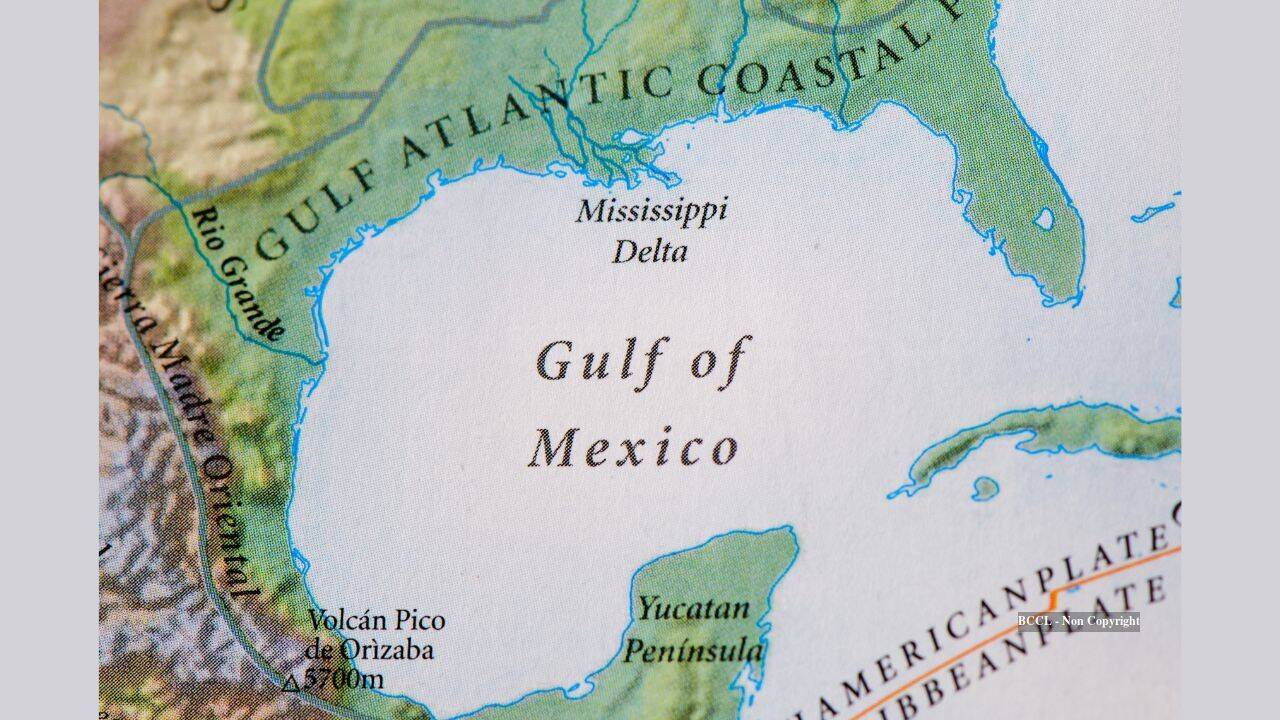
Human activity now adds more nitrogen to coastal waters than natural sources in about one out of every four coastal regions, according to a new study. This surge of human-made nitrogen is pushing many coastal ecosystems past their limits, with the Gulf of Mexico identified as a major hotspot. The study, published in Global Biogeochemical Cycles, examines how agriculture, wastewater, urban runoff and fossil fuel emissions have altered nutrient balances along shorelines.
Nitrogen, along with phosphorus and silicon, is crucial for the growth of marine life. When these nutrients become too abundant due to human activity, they can trigger harmful algal blooms that deplete oxygen and create "dead zones" where marine life cannot survive. These blooms can also produce toxins that contaminate seafood, close beaches, and threaten drinking water supplies.
While natural sources of marine nutrients still dominate overall, land-based inputs now account for the majority in over half of the world's coastlines. Human sources contribute more nitrogen than natural sources in about 25% of coastal waterways and 11% of large marine ecosystems. The Gulf of Mexico and many regions along the coasts of Europe, Asia, China, India, and Southeast Asia are identified as areas where nutrient pollution is especially intense.
To address this issue, the study suggests several strategies, including upgrading wastewater treatment plants, improving fertiliser management on farms, restoring wetlands and floodplains, and prioritising investments in watershed management where nutrient imbalances are the most severe. The study's findings highlight the urgent need to reduce human nutrient inputs in coastal waters to protect marine life, human health, and the economies that depend on healthy coastal ecosystems.
Written by urgent.news from Times of India's reporting — not their text. Machine-written — may contain errors; check the original before relying on it.