Global Peace Index 2026: What Kenya’s drop in ranking means ahead of 2027 polls
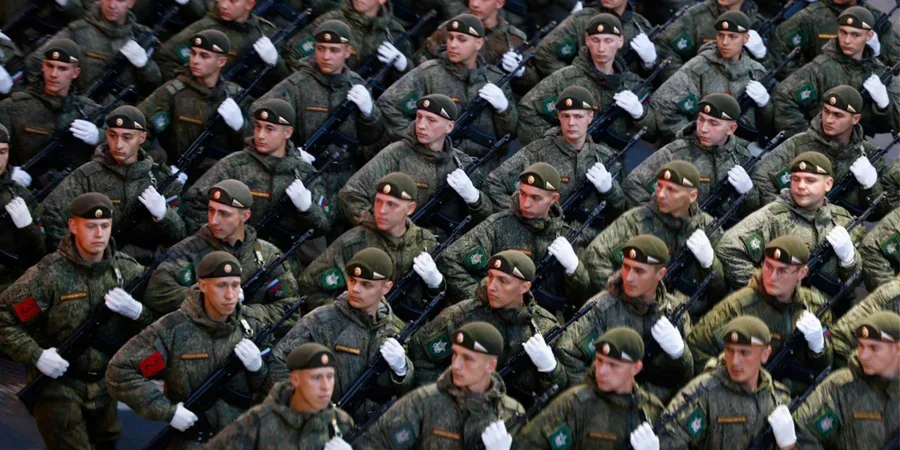
Kenya’s five-place drop in the 2026 Global Peace Index (GPI) comes at a critical moment, with the country less than a year away from the August 2027 General Election and concerns mounting over political violence, organised groups and increasingly confrontational political mobilisation. Kenya fell from position 127 in 2025 to 132nd out of 163 countries, […]
Singapore's position in the 2026 Global Cities Index has declined, placing it at 29th globally out of 1,000 cities. While Singapore did not secure a spot in the top 5, it remained the second Asian city, trailing only Tokyo. The index evaluates cities across five dimensions: economy, human capital, quality of life, environment, and governance.
Singapore's strong performance in the quality of life category, where it ranked third globally, is attributed to its high income, low crime rate, and excellent healthcare. However, the city-state faces two significant challenges: soaring housing costs and a rapidly aging population. These issues have led to increased pressure on healthcare and elderly care systems.
Despite these concerns, Singapore remains a formidable competitor in the Asian market, holding the second position behind Tokyo. Tokyo, the only Asian city in the top ten, ranked third globally in human capital. The top ten global cities are predominantly European and American, with New York, London, and Paris occupying the top three spots for the second consecutive year.
Other notable cities include Seattle, San Francisco, Dublin, Boston, and San Jose, ranking fourth to eighth, respectively, while Zurich claims the tenth spot. Several Asian cities, such as Taipei and Kuala Lumpur, have shown remarkable improvement, with Taipei jumping 12 places to 48th and Kuala Lumpur soaring 14 places to 65th.
Experts predict that more Asian cities will gain prominence in global rankings as their economies expand and living standards improve. The report also highlights several cities to watch, with five from the Asia-Pacific region making the list: Bangalore, Ho Chi Minh City, Kuala Lumpur, Shenzhen, and Tashkent. Singapore continues to be the second-largest economy in Asia and is on an upward trajectory, despite addressing ongoing challenges related to housing prices and its aging population.
The city-state's healthcare system is equipped with a comprehensive National Adult Immunisation Schedule (NAIS), which provides vaccination recommendations for adults based on various factors like age, medical condition, and occupational risks. This framework ensures that Singaporeans are informed about their vaccination history and the status of any missed vaccines, primarily for preventive healthcare purposes.
Written by urgent.news from The Independent Singapore's reporting — not their text. Machine-written — may contain errors; check the original before relying on it.
This story
This is one outlet's version. Read the fullest account.