America's Long History of Falling for Hucksters and Their Outlandish Promises
(MedPage Today) -- America: land of possibility. And also: land of suckers. Our enduring belief that anything is possible -- whether based in reality or not -- has helped the nation become the world's largest economy. It has also led us to...
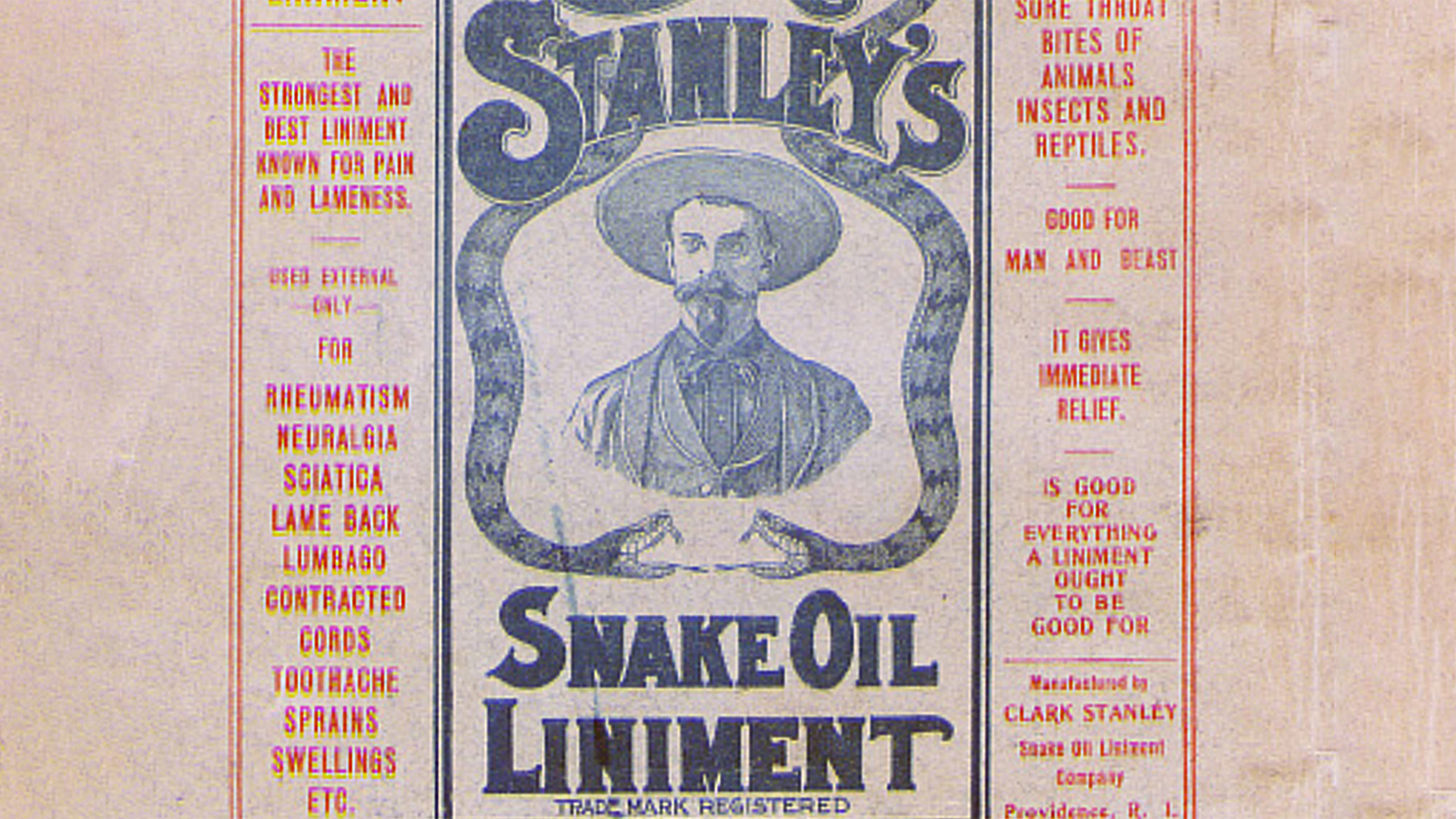
America, often seen as a land of endless possibilities, also attracts its fair share of con artists and charlatans. This inclination to believe in outlandish promises has led to a long history of falling for hucksters and their outrageous claims. From the Rattlesnake King's snake oil liniment to Charles Ponzi's 50% profit in just 45 days, these examples serve as cautionary tales.
However, the desire for a long and healthy life, along with America's spirit of optimism and individualism, fuels the persistence of these beliefs.
According to Dr. Lydia Kang, a medical expert, the root cause of our susceptibility to these schemes is our fundamental need to feel hopeful and to believe that our future will be better. This hope can provide a temporary boost in mood and mental health, making us more vulnerable to the allure of miracle supplements, balms, and techniques.
These tendencies, while tragic in terms of wasted money and potential side effects, also serve a purpose. They can create a sense of positive anticipation and excitement that may temporarily improve our mental state. However, this optimism can also leave us open to exploitation by unscrupulous companies eager to capitalize on our desperation.
Despite the existence of regulations and the expertise of health professionals, there remains a gray area where it is difficult to definitively prove that something does not work. Companies take advantage of this uncertainty, convinced that they can sell their products for whatever price the market will bear.
While real scientific breakthroughs have transformed America, with advancements in transportation, communication, and medicine, they have also inadvertently contributed to the credibility of dubious claims. The nation's relentless pursuit of happiness, fueled by social media influencers, has created an environment where false promises thrive. Even the health secretary of the United States has been known to endorse unproven treatments, further blurring the line between truth and deception.
As a result, the American public finds themselves more vulnerable than ever before. The lack of guardrails and the prevalence of unverified information on the internet have put individuals at greater risk of falling for these schemes. It is crucial for society to find a balance between fostering hope and protecting people from the dangers of misguided beliefs.
Written by urgent.news from MedPage Today's reporting — not their text. Machine-written — may contain errors; check the original before relying on it.