Skin longevity, not anti-ageing: The science of collagen, protection and repair
Skin longevity begins with a simple idea: help the skin retain its strength, resilience and ability to repair itself for as long as possible. The term has replaced much of the old language around “anti-ageing”, reflecting a wider shift towards preserving function and skin health. The question is no longer whether they can stop time. It is whether they can protect collagen, support renewal and…
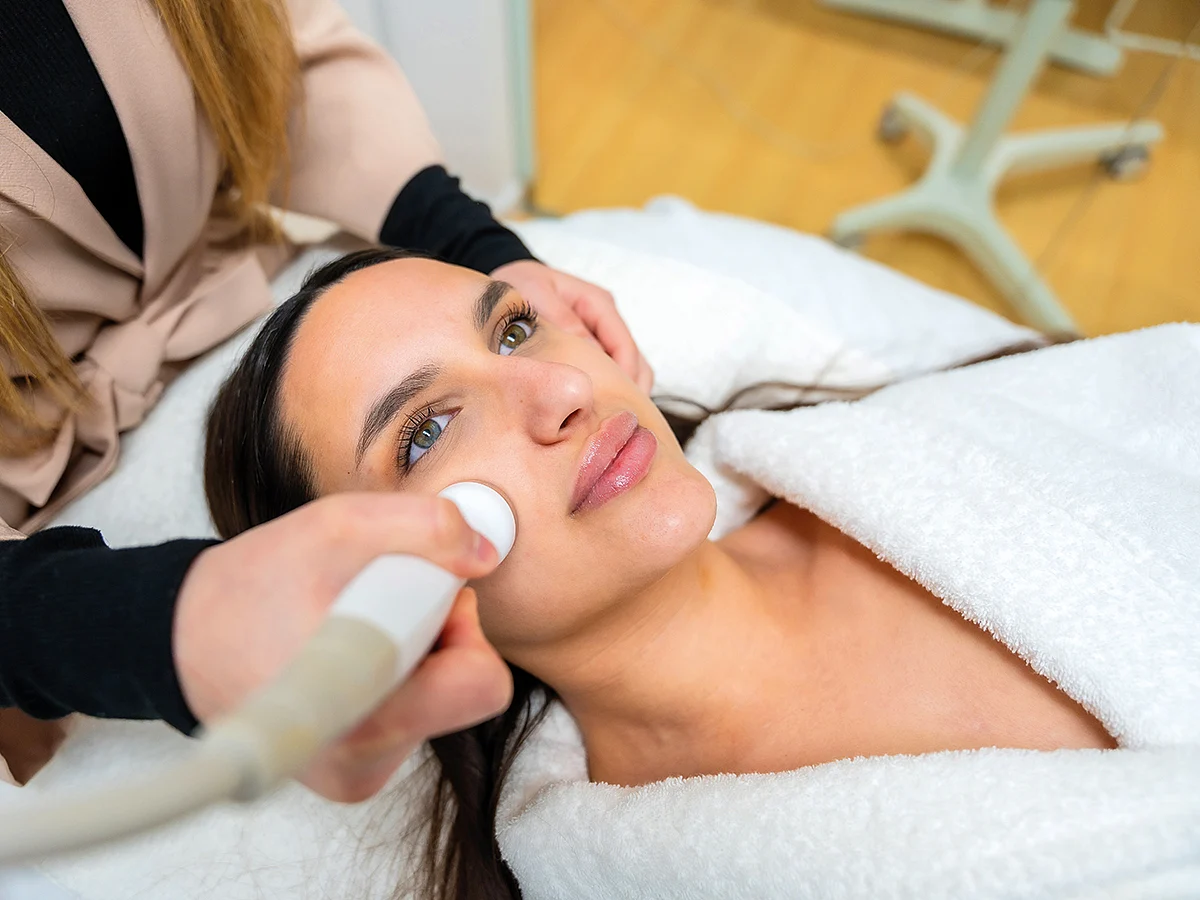
The concept of "skin longevity" emphasizes preserving skin's strength, resilience, and repair capabilities for as long as possible. This approach has supplanted the traditional focus on "anti-ageing," which now prioritizes maintaining the skin's functional health. Rather than attempting to stop the natural aging process, skincare aims to protect collagen, promote renewal, and enhance the skin's overall behavior as it matures.
Collagen forms a significant portion of the skin's firmness and structure, while elastin enables the skin to stretch and return to its original shape. As individuals age, natural collagen production decreases, and environmental factors such as ultraviolet (UV) radiation, hormonal fluctuations, pollution, and smoking can further degrade the skin's support system.
Various ingredients and medical treatments can influence this process, though their effectiveness varies. The science suggests a hierarchy of interventions, beginning with daily sun protection as the most crucial step. Sunscreen with a broad-spectrum, water-resistant formula and an SPF of 30 or higher is essential to shield existing collagen.
UV rays, both UVA and UVB, penetrate the skin and contribute to wrinkles, loss of elasticity, and uneven pigmentation. The American Academy of Dermatology advises using sunscreen daily, covering the face, neck, ears, and backs of the hands, and reapplying as needed during prolonged exposure to the sun, exercise, or swimming. Retinoids, derived from vitamin A, are the most extensively studied topical ingredients for combating skin aging.
They promote cell turnover, stimulate collagen production, and help diminish fine lines and uneven pigmentation. Prescription tretinoin, as well as cosmetic products containing retinaldehyde and retinol, have demonstrated clinical efficacy. Dermatologists recommend consistent usage for several months to observe significant improvements.
Peptides, consisting of short chains of amino acids, function as signaling molecules within the skin. They can stimulate collagen production, enhance hydration, repair the skin barrier, or support healing. Research indicates that topical and oral peptide-based treatments can improve multiple signs of aging. Peptides are generally well-tolerated and can be incorporated into skincare routines alongside moisturizers, antioxidants, and retinoids.
However, it is crucial to identify the specific peptides present in a product to evaluate its efficacy. Vitamin C, another vital ingredient, functions as an antioxidant, combating free-radical damage caused by UV exposure and pollution. It also plays a role in collagen synthesis. L-ascorbic acid, the most researched form of vitamin C, requires appropriate concentration, acidity, packaging, and stability to maintain its effectiveness.
Dark or opaque packaging helps protect the ingredient from degradation due to light and air exposure. Microneedling, a procedure involving fine needles to create controlled micro-injuries, stimulates collagen and elastin production. Radiofrequency microneedling, which adds heat at specific depths, enhances the tissue-remodelling response.
A 2025 study demonstrated improvements in wrinkles, pigmentation, hydration, and other skin characteristics 30 days post-treatment. The success of microneedling and radiofrequency treatments depends on the equipment, settings, treatment depth, and practitioner's expertise. The US Food and Drug Administration recommends that radiofrequency microneedling be administered by a licensed professional trained in the usage of the device.
Written by urgent.news from Gulf News's reporting — not their text. Machine-written — may contain errors; check the original before relying on it.