Fitness: Why tiny bouts of activity matter more than marathon workouts
September brings UAE residents back to familiar routines. Summer holidays end, schools reopen and calendars begin filling up again. Exercise often returns to the list too, accompanied by plans for daily workouts, dramatic weight loss and a complete lifestyle overhaul. For anyone working long hours or managing family responsibilities, such plans rarely survive a crowded week. The more useful…
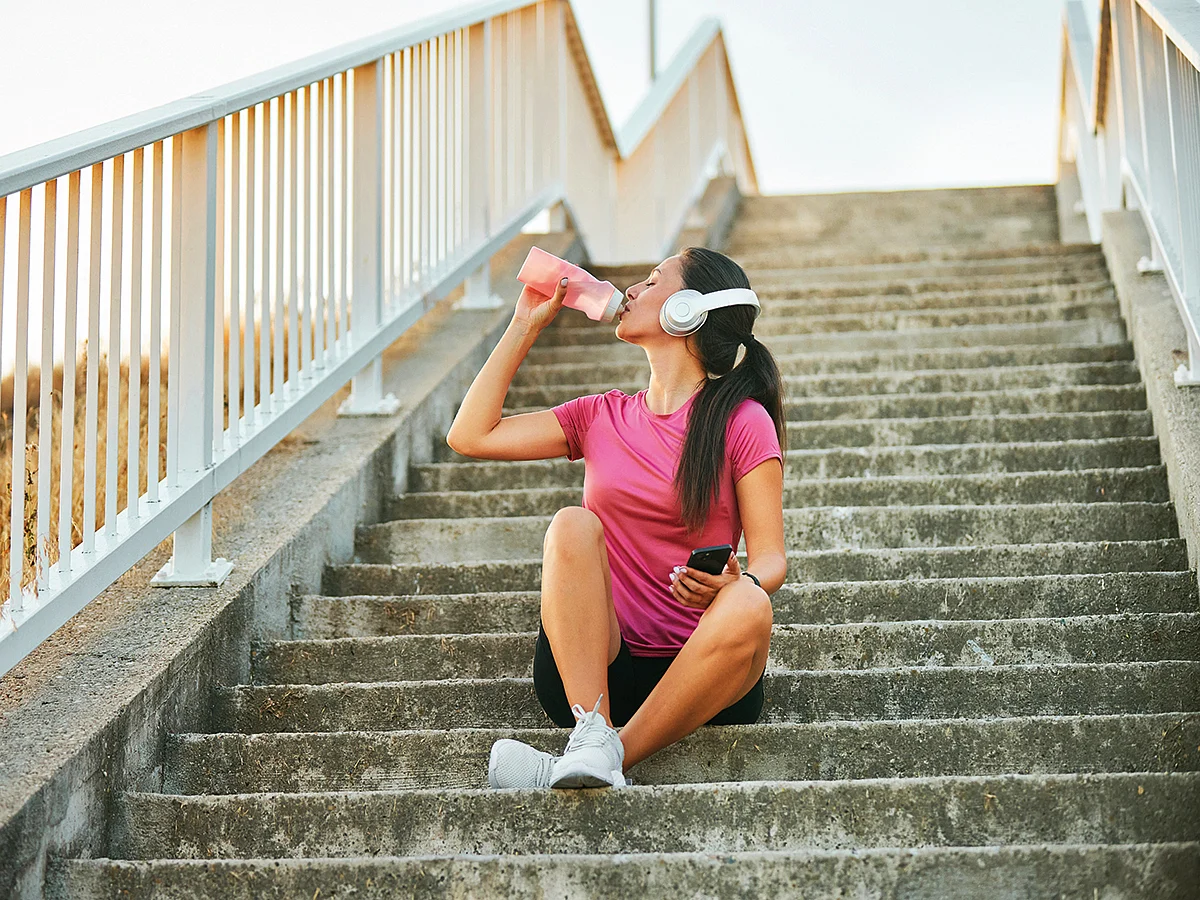
As the new year begins in the UAE, individuals resume their usual routines, including fitness plans. However, busy schedules often hinder the success of these ambitious goals. Surprisingly, the key to reaping health benefits may not lie in lengthy gym sessions but rather in accumulating smaller bouts of activity throughout the day.
A major study published in The Lancet analyzed data from over 135,000 adults across the UK, US, Norway, and Sweden. By using activity trackers, researchers measured both movement and sedentary time more accurately than traditional questionnaires. They discovered that adding just five minutes of moderate-intensity activity daily could prevent up to 10% of premature deaths across most of the population. For the least active 20%, this modest increase was linked to a 6% reduction in premature deaths.
Moderate activity encompasses movement that elevates the heart rate and breathing, such as brisk walking or cycling, although it doesn't necessarily require a structured workout. Ulf Ekelund, a professor of physical activity and health, advised gradually building up activity levels and starting slowly. Professor Aiden Doherty from the University of Oxford deemed the findings "a leap forward," emphasizing the potential impact of small, realistic increases in daily activity.
The study's population-level associations suggest that five minutes cannot be treated as a personal prescription for longevity. However, its significance lies in demonstrating that health gains can be achieved well below what many people consider a rigorous fitness regimen.
Researchers have also investigated vigorous intermittent lifestyle physical activity, which involves short bursts of effort during everyday life, like climbing stairs, walking briskly to catch a bus, or carrying heavy shopping bags. A study in the British Journal of Sports Medicine followed over 81,000 middle-aged adults who reported no structured exercise.
Women who accumulated around 3.4 minutes of vigorous everyday activity daily had significantly lower risks of major cardiovascular events, with a 51% lower risk of heart attack and a 67% lower risk of heart failure. While the effects were less pronounced in men, these findings underscore the importance of everyday movement.
The 2026 Lancet study also examined the impact of reducing sedentary time. Researchers estimated that decreasing daily sitting by 30 minutes could prevent about 7% of premature deaths across most of the population. Replacing sitting doesn't always necessitate vigorous exercise; one could opt for light activities like moving around the house or taking a slow walk.
This is crucial because a gym session occupies only a small portion of the day, while someone may exercise for 45 minutes in the morning and remain seated for the remaining 10 hours.
To integrate movement into daily routines, setting a timer for every hour can serve as a simple reminder. Two or three minutes of walking, stretching, or standing can create several additional periods of activity throughout the workday. For instance, walking to speak with a colleague, refilling a water bottle, or standing during a phone call can interrupt long periods of sitting.
While the weekly target remains valuable, research suggests that people who accumulate their weekly activity across one or two days can still achieve health benefits similar to those who distribute it more evenly. Incorporating strength training into the routine is also beneficial, as muscle supports mobility, bone health, metabolic health, and the ability to manage everyday physical tasks.
Two full-body sessions per week can meet the World Health Organization's recommendation, with a basic workout involving exercises like squats, chest presses, rows, shoulder exercises, and core movements.
Written by urgent.news from Gulf News's reporting — not their text. Machine-written — may contain errors; check the original before relying on it.