Pro-China academics argue against US ‘politainment’ over Xinjiang’s Uyghurs
However, academic warns that social cohesion cannot be manufactured
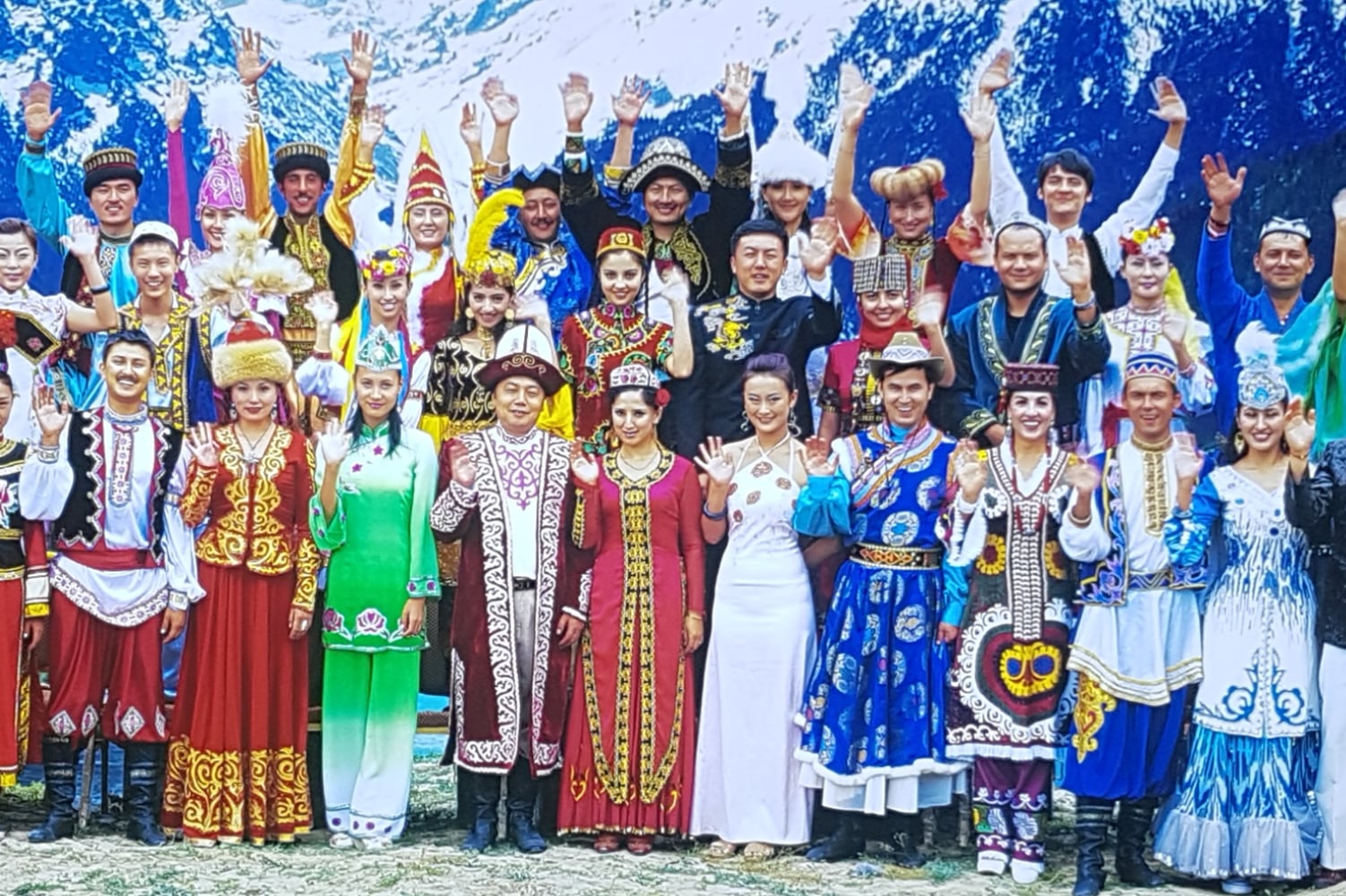
In the far northwest of China lies Xinjiang, a region hailed for its ethnic unity and economic growth. Encompassing 13 ethnic groups from eight bordering countries, Xinjiang's allure lies in its Silk Road heritage. Recent investment has positioned Urumqi and Xinjiang as central to Central Asian trade. However, accusations of human rights abuses persist over the handling of Uyghur minorities.
The Xinjiang Foreign Affairs Office organized a tour to showcase progress in cultural harmony and the eradication of religious extremism. This included a visit to a government-run exhibition detailing 53 mass attacks by the East Turkistan Islamic Movement between 1990 and 2016. China launched a "law-based deradicalization" program in 2014, arresting nearly 13,000 suspected terrorists and punishing over 30,000 for "illegal religious activities."
Reports claim up to 1.5 million individuals were placed in government-run Vocational Education and Training Centers (VETCs), which authorities claim were poverty alleviation programs. Critics, including Professor Barry Sautman from the Hong Kong University of Science and Technology, argue these VETCs were internment camps used for forced labor.
Sautman claims the VETCs aimed to alleviate poverty by providing higher-paying jobs than smallholder farming. He accuses Western detractors of "politainment," a term used to describe the US media and political commentators who demonize China. Attendees of a conference urged the international community to travel to Xinjiang to judge the region firsthand, with hopes of discovering its historical significance on the Silk Road.
However, Dr. Edith Phaswana, the acting Executive Dean of the Thabo Mbeki African School of Public and International Affairs, cautioned that unity cannot be imposed and must be built on justice, recognition, and participation.
Written by urgent.news from The Citizen's reporting — not their text. Machine-written — may contain errors; check the original before relying on it.