BOJ rate hike signals faster pace of tightening amid inflation risks, weak yen: Economists
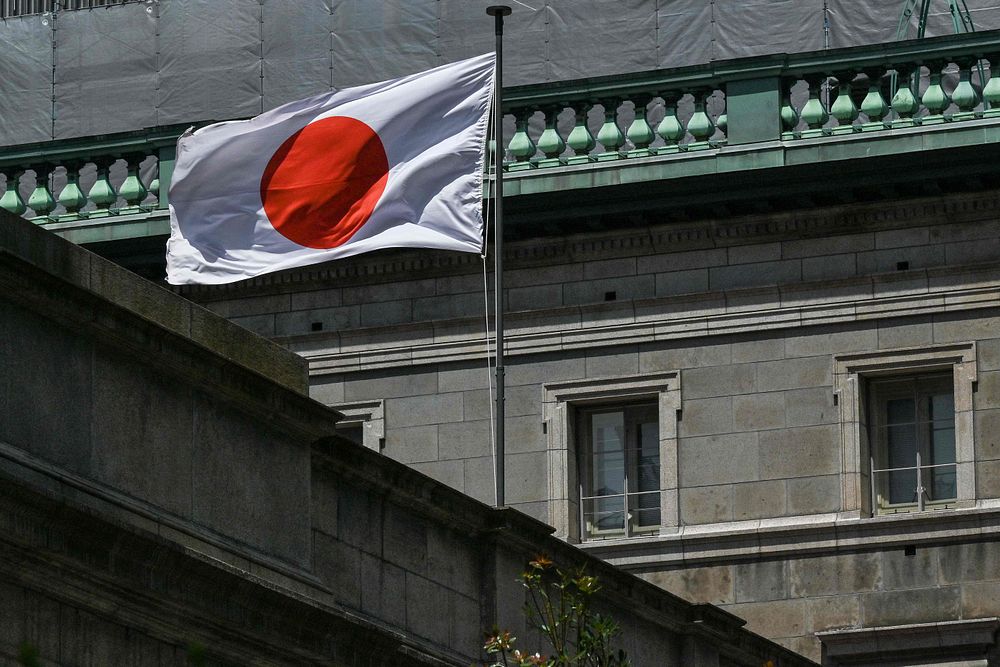
The central bank raised rates on Friday (Sep 18) to a 31-year high of 1.25 per cent, pressing ahead with policy normalisation as inflation risks remain elevated.
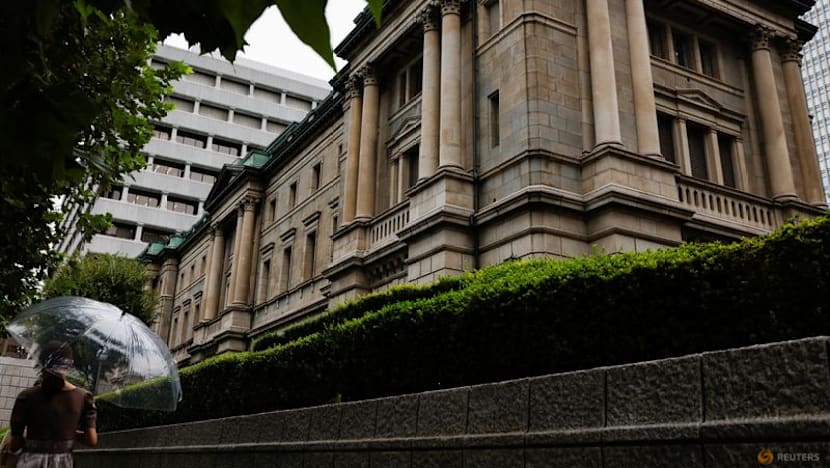
The Bank of Japan (BOJ) raised interest rates to a 31-year high of 1.25 percent on Friday, signaling a faster pace of tightening amid inflation risks and a weak yen, according to economists. The rate increase, which occurred on September 18, was 25 basis points higher than the previous hike and brings borrowing costs closer to levels deemed neutral for the economy by the BOJ.
This move follows a gradual normalization of monetary policy, but economists believe inflation risks and the yen's strength could prompt more rapid tightening in the coming months. The central bank's governor, Kazuo Ueda, remains focused on conditions within Japan, with further rate hikes expected in December and April, potentially reaching 1.75 percent.
The yen's weakness, making imported goods more expensive, adds to inflation pressures on Japanese households. Economists believe the BOJ's decision comes after the US Federal Reserve raised rates for the first time since 2023, indicating concerns about persistently high inflation globally.
Written by urgent.news from Channel News Asia's reporting — not their text. Machine-written — may contain errors; check the original before relying on it.
This story
This is one outlet's version. Read the fullest account.
- BOJ rate hike signals faster pace of tightening amid inflation risks, weak yen: Economists channelnewsasia.com
- Japanese Yen: Dovish BoJ hike keeps Yen vulnerable – ING fxstreet.com
- Asia FX mixed as yen slides despite BOJ rate hike investing.com