BOJ rate hike signals faster pace of tightening amid inflation risks, weak yen: Economists
The central bank raised rates on Friday (Sep 18) to a 31-year high of 1.25 per cent, pressing ahead with policy normalisation as inflation risks remain elevated.
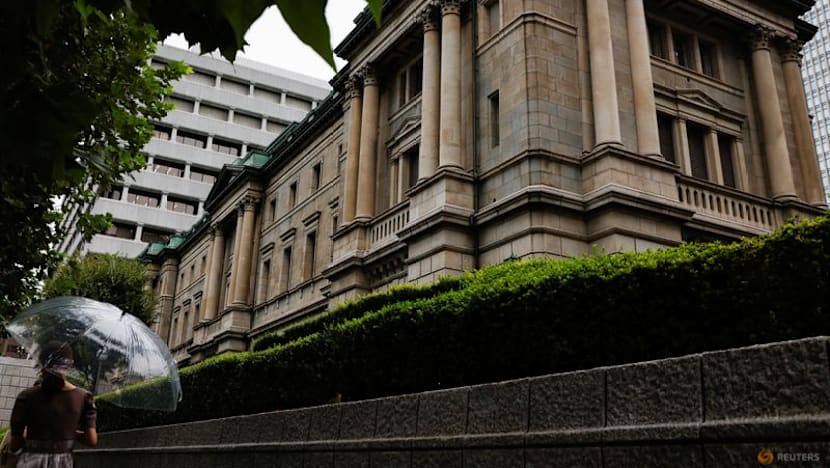
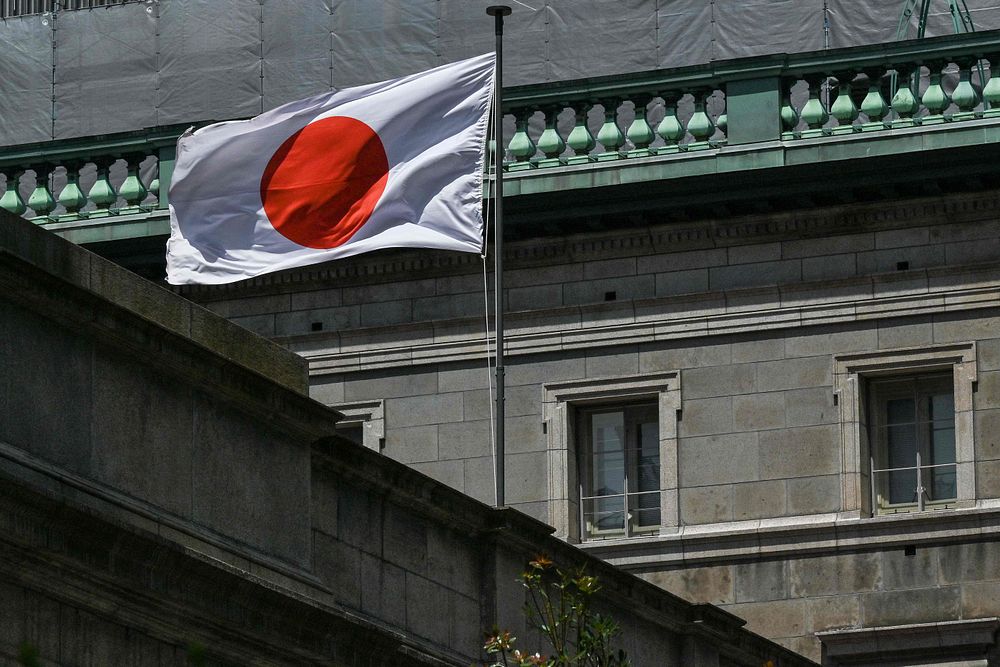
The Bank of Japan (BOJ) raised interest rates to a 31-year high of 1.25% on September 18th, signaling a more aggressive tightening of monetary policy amid persistent inflation risks and a weak yen. The decision marks a shift from the central bank's historically cautious approach, with economists predicting that the BOJ may further tighten policy in the coming months.
Martin Schulz, chief policy economist at Fujitsu, noted that the BOJ has indicated a willingness to hike rates sooner rather than later, with Norihiro Yamaguchi, lead economist at Oxford Economics, stating that policymakers are now paying closer attention to the risk of inflation overshooting. The yen's depreciation has made imported goods more expensive, contributing to rising inflationary pressures.
Economists expect further rate hikes in December and April, with the policy rate potentially reaching 1.75%. The BOJ governor, Kazuo Ueda, remains focused on domestic conditions, but the broader consensus is that the yen has weakened excessively and needs to be addressed.
Written by urgent.news from CNA - Business's reporting — not their text. Machine-written — may contain errors; check the original before relying on it.
This story
This is one outlet's version. Read the fullest account.
- BOJ rate hike signals faster pace of tightening amid inflation risks, weak yen: Economists channelnewsasia.com
- Japanese Yen: Dovish BoJ hike keeps Yen vulnerable – ING fxstreet.com
- Asia FX mixed as yen slides despite BOJ rate hike investing.com