Høyeste rente på 31 år
Prisvekst og en historisk svak valuta får Japan til å ta grep.
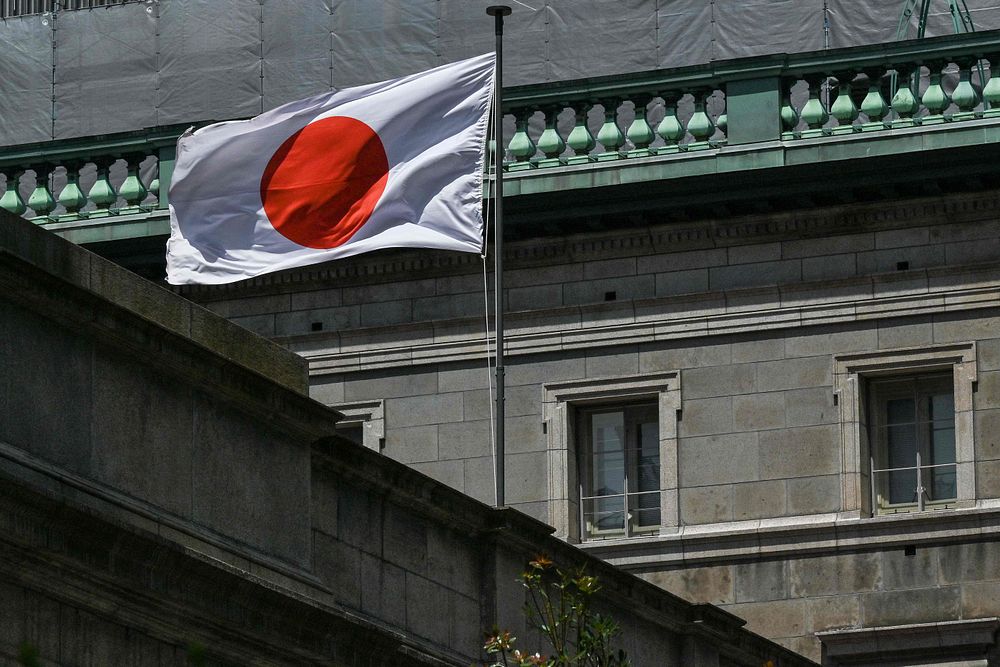
Japan's central bank, Bank of Japan, has raised the policy interest rate to 1.25 percent, a 31-year high since 1995. The rate hike took place on Friday after a two-day meeting. The move was expected, with CNBC attributing the increase to fears that inflation may exceed its 2 percent target. The central bank aims to stabilize underlying inflation around "around two percent", according to BOJ.
The latest inflation figure for August showed an inflation rate of 1.9 percent. The rate hike occurred only three months after the previous increase, making it the shortest interval between two rate hikes since 1990. This rapid tightening of monetary policy played a central role in Japan's real estate bubble bursting, as Bloomberg noted.
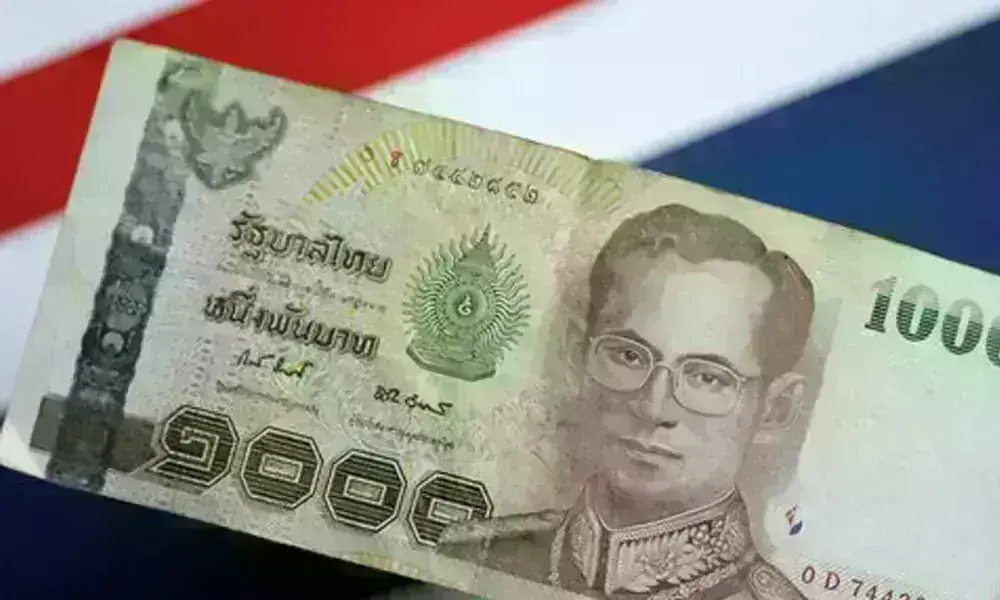
The yen has historically been a weak currency. Since the rate hike, the currency traded at $157.14, nearly one yen weaker than before the hike, Bloomberg reported. There was disagreement within the monetary committee before the decision and the interest rate was raised after a seven to two vote. Board members Toichiro Asada and Ayano Sato voted against the hike.
Asada argued that core inflation was below 2 percent, advocating for maintaining the rate unchanged. Both dissenting members were appointed by Prime Minister Sanae Takaichi, who is known for her skepticism towards rapid rate hikes that could slow down the economy. "The main point was that two board members voted against the decision," said Kento Minami, a senior economist at Daiwa Securities, quoted by Bloomberg.
"I think the market interpreted this as more 'soft' than what was priced in." On the other hand, BOJ's assessment of the economy, prices and financial conditions continue to be hawkish, he added. The two dissenting board members could come to act as a brake on the committee further ahead. Japan's Nikkei 225 index rose 1.61 percent on Friday after the yen weakened.
Markets outside Japan reacted little to the BOJ's decision. Two-year U.S. Treasury yields edged weakly higher after the decision, while most G10 currencies - except the yen - moved little and held steady.
Written by urgent.news from E24 Norway's reporting — not their text. Machine-written — may contain errors; check the original before relying on it.