A giant new moon crater is nothing next to its 4-mile bruise
NASA found the biggest new moon crater of the modern space age. The 728-foot impact left a four-mile-wide bruise in the lunar soil.
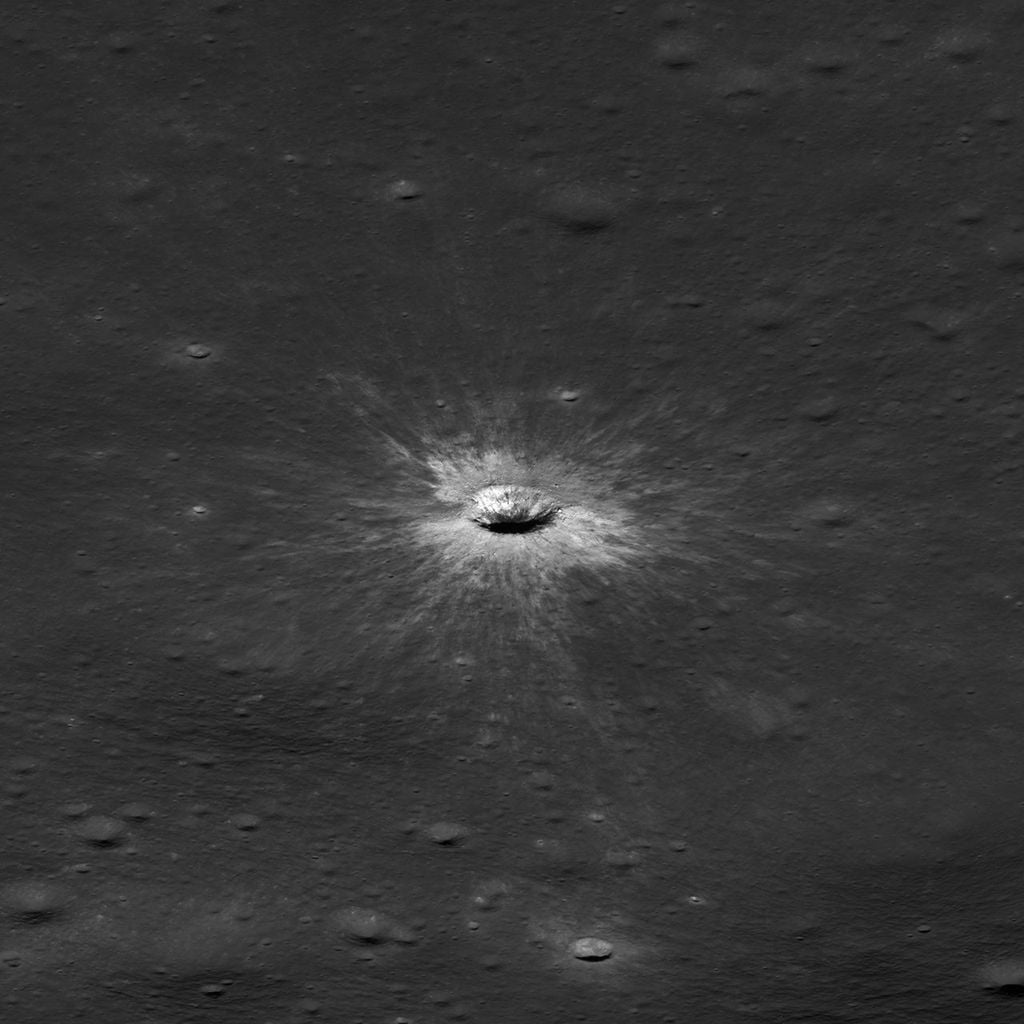
An asteroid or comet collided with the moon, creating an enormous 728-foot-wide crater—larger than any fresh impact ever recorded in the solar system. The celestial body slammed into the moon's eastern edge at an astonishing speed of 33,000 mph, punching a hole wider than two and a half football fields into the lunar surface. This impact went unnoticed for over a year until NASA's Lunar Reconnaissance Orbiter captured the change in spring 2024.
The discovery came to light when researchers compared images of the same lunar terrain taken under identical lighting conditions, revealing an unexpected spot. The crater, named McGetchin in honor of lunar scientist Tom McGetchin, who predicted debris scattering in 1973, is surrounded by scuffed and pulverized soil, extending roughly 30 times its own radius and even faintly marking a 75-mile distance.
The impact left a distinctive cold spot, about four miles across, where the original debris heated the top soil, causing it to cool significantly faster than its surroundings. This finding suggests that the moon's surface is being altered far more than previously estimated by the visible craters, as the impact also disturbed a large area of the moon's topsoil.
The collision's aftermath has buried older craters and created a soft, loose layer of pulverized rocks around the crater's rim. Scientists believe this crater could offer valuable insights into the moon's past and potentially other celestial bodies, like Mars and Mercury, with similar fresh craters. As the moon ages, McGetchin will gradually fade, making it a prime target for future lunar missions to study the impact's effects on the lunar surface.
Written by urgent.news from Mashable's reporting — not their text. Machine-written — may contain errors; check the original before relying on it.