When infrastructure becomes a battleground: The geopolitics of global logistics
A century ago, Soviet economist Nikolai Kondratiev proposed his theory of long economic cycles, each lasting approximately 40 to 60 years. According to the theory, each wave is associated with a technological revolution and the emergence of a new economic and production paradigm, while transitions between cycles are accompanied by profound economic and institutional change. Kondratiev’s theory…
In the last century, Soviet economist Nikolai Kondratiev theorized a cycle of roughly 40 to 60 years, characterized by technological advancements and shifts in production methods. While the existence of a "sixth wave" remains disputed, the current geopolitical climate suggests a broader transformation. This shift is evident in the redefinition of infrastructure and logistics in global trade.
Traditionally, shipping routes were chosen based on cost and efficiency, but now, these infrastructures are considered geopolitical assets and targets.
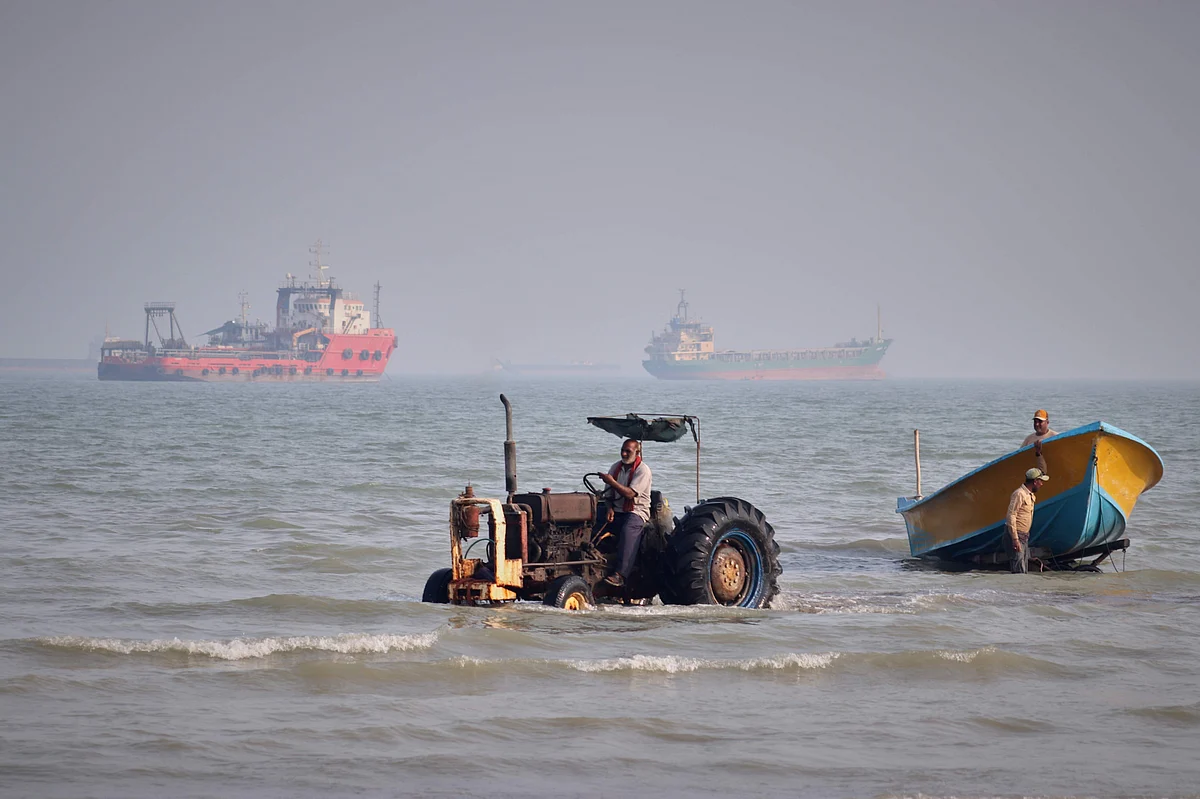
The COVID-19 pandemic highlighted the critical role of logistics, as port closures and supply chain disruptions led to soaring shipping costs. Presently, geopolitical tensions are exacerbating these challenges. Over 80% of global trade by volume transits by sea, making disruptions at key chokepoints potentially catastrophic. Recent conflicts in the Red Sea and the Strait of Hormuz have forced shipping companies to navigate riskier routes, increasing costs and causing instability across various sectors.
Geopolitical actors are increasingly using strategic waterways as tools of power. The Panama Canal, handling about 5% of global maritime trade, is witnessing heightened tensions due to US and Chinese interests. Similarly, the TAPI gas pipeline, linking Turkmenistan, Afghanistan, Pakistan, and India, is hindered by security concerns in Afghanistan, illustrating the risks of overland infrastructure projects.
These developments underscore a fundamental change: globalisation is not only enduring but becoming more expensive. Companies are now factoring in security, political stability, and redundancy as essential components of their supply chain strategies, alongside traditional considerations like labour costs and customer proximity.
Written by urgent.news from Gulf News's reporting — not their text. Machine-written — may contain errors; check the original before relying on it.