Timeline: From budget-airline pioneer to financial strain - how did AirAsia get here?
Bought for RM1 in 2001, AirAsia grew from a struggling Malaysian carrier into one of Asia’s best-known low-cost airline groups, but more than two decades later, it is facing mounting financial pressure from debt and rising fuel costs.
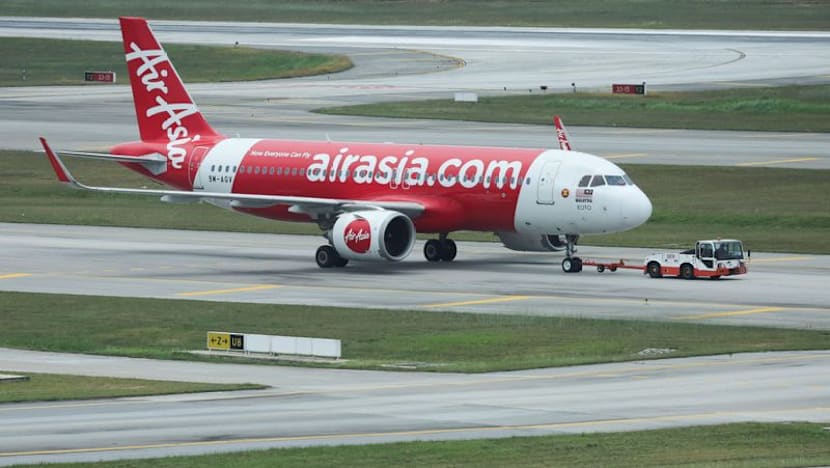
In 1993, AirAsia was launched as a regular airline, before transforming into a budget carrier in 2002. The company underwent a dramatic overhaul in 2001 when Tune Air, led by Tony Fernandes and Kamarudin Meranun, purchased the debt-ridden airline for a nominal RM1, absorbing its liabilities. This move set the stage for AirAsia's transformation into one of Asia's leading low-cost airline groups.
The company's strategy revolved around low fares, high aircraft utilization, and streamlined operations. It also pioneered ticket sales directly to customers via online booking and later an SMS booking service. AirAsia's expansion began with routes to Phuket in 2003, followed by a Thai affiliate and launches into Indonesia, Malaysia, and other Southeast Asian markets.
By 2008, AirAsia had carried 50 million passengers and had transitioned to an all-Airbus fleet. In 2009, it was recognized as the world's best low-cost airline by Skytrax. The airline continued to grow rapidly, expanding into the Philippines and introducing new services like Fly-Thru, which allowed passengers to connect between AirAsia and AirAsia X flights without handling baggage. AirAsia X further pushed into long-haul flying, launching services to London and Paris.
However, the group faced its first setback in 2012 when AirAsia X suspended its London and Paris services due to high fuel prices and weak European demand. Despite this, expansion continued, with AirAsia X receiving US regulatory clearance for scheduled passenger services in 2017 and launching flights to Honolulu via Osaka. By 2018, AirAsia had carried 500 million passengers since its transformation.
In December 2013, the company suffered its worst disaster when AirAsia Indonesia Flight QZ8501 crashed into the Java Sea, killing all 162 people aboard. The airline's passenger numbers fell by 26 percent in the first quarter of 2015, and revenue declined by 14 percent. Despite these challenges, AirAsia remained profitable in 2018, carrying 500 million passengers since its transformation under Fernandes and Kamarudin.
Written by urgent.news from CNA - Business's reporting — not their text. Machine-written — may contain errors; check the original before relying on it.