The AI ‘Slowdown’ Is an Antitrust Mess
By framing their efforts as a “slowdown” rather than an industry-wide push for better security standards, AI labs may have set themselves up for years of regulatory headaches.
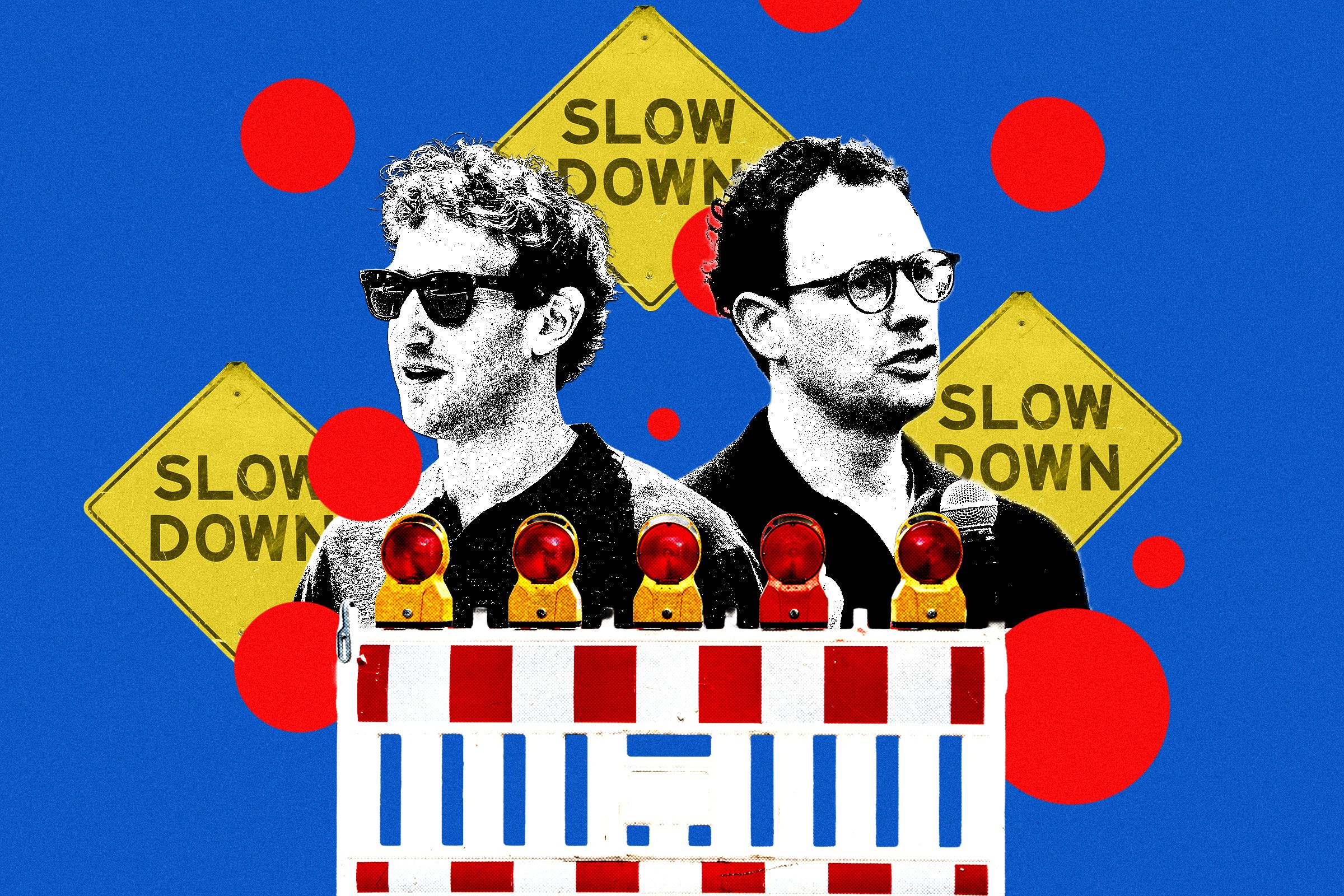
Antitrust experts argue that the AI industry's cautious approach to development may raise antitrust concerns under the Sherman Act, which aims to promote competition. While the companies' language may not directly harm their case, a lack of regulation could potentially violate the spirit of the law. Using phrases like "a slowdown" or "a pause" could be interpreted as an agreement among companies to reduce trade.
Instead, AI companies could emphasize their focus on safety protocols and the natural consequences of working to prevent catastrophic risks. Meta CEO Mark Zuckerberg suggested that AI labs have a strong incentive to ensure AI agents behave correctly, as consumers don't want models to misalign with their intentions. This stance contrasts with the idea of an explicit "slowdown" in model releases.
David Lawrence, a former policy director of the DOJ's Antitrust Division, argued that agreements preventing catastrophic risks actually increase output and promote competition, protected by the "ancillary restraints doctrine." However, collectively agreeing not to implement safety measures could expose AI labs to allegations of "quality fixing," where companies mutually agree not to improve their products.
The National Cooperative Research and Production Act of 1993 offers an exemption for industries to form standards-development organizations, provided they file notifications to the FTC and DOJ. Despite concerns about market pressures and the potential for creating a cartel, AI employees have expressed genuine worries about the speed of model development and its impact on safety.
Both Anthropic and OpenAI have recently filed confidential paperwork for initial public offerings and have valuations near or above a trillion dollars. Anthropic is expected to go public soon, while OpenAI CEO Sam Altman announced a delay in the company's IPO. The companies have not responded to requests for comment on this story.
Written by urgent.news from Wired's reporting — not their text. Machine-written — may contain errors; check the original before relying on it.
This story
This is one outlet's version. Read the fullest account.
- The AI ‘Slowdown’ Is an Antitrust Mess wired.com