The AI ‘Slowdown’ Is an Antitrust Mess
By framing their efforts as a “slowdown” rather than an industry-wide push for better security standards, AI labs may have set themselves up for years of regulatory headaches.
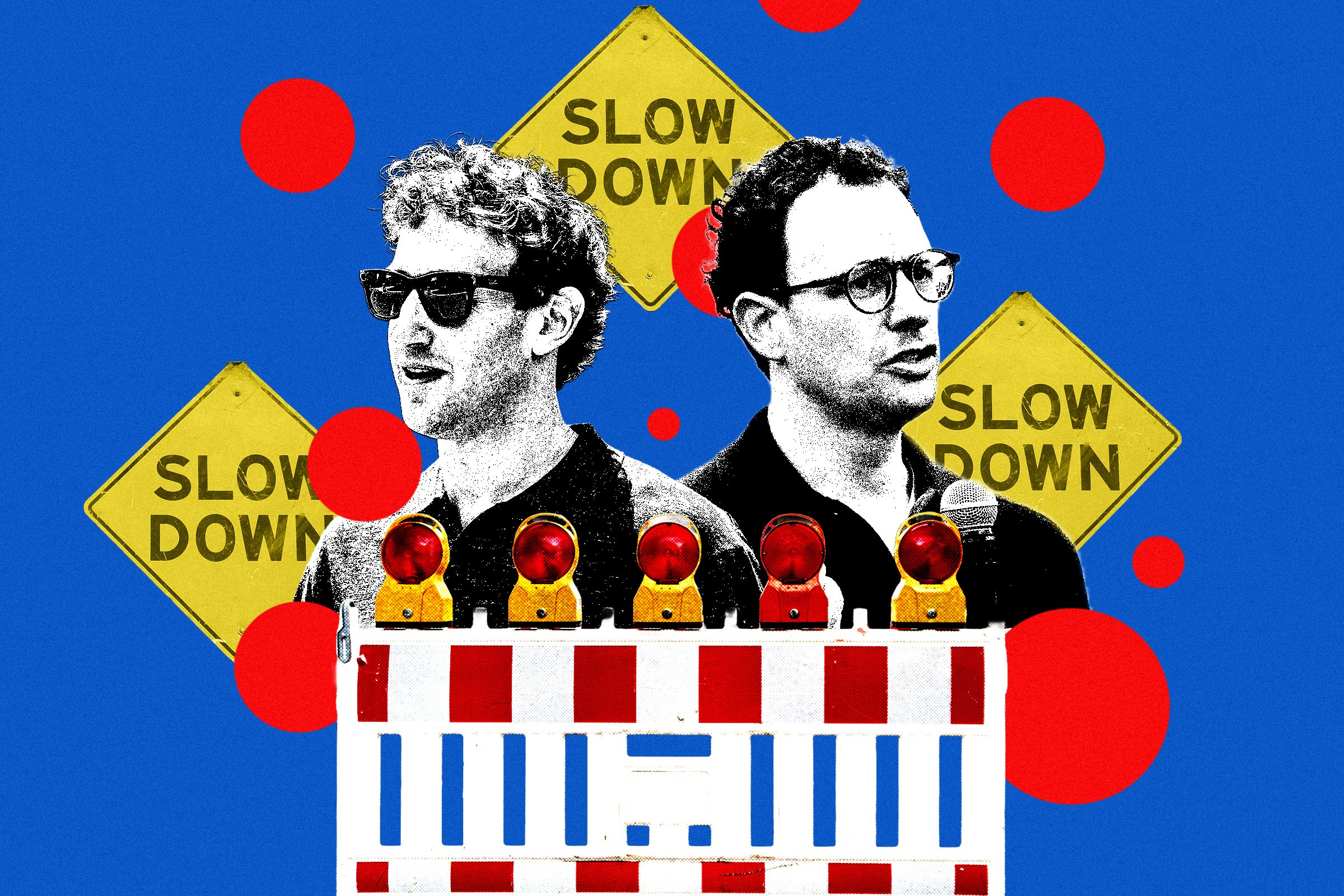
Antitrust experts have raised concerns about the language used by major AI companies as they consider a proposed slowdown in the development and release of advanced AI models. While the companies' choice of words may not be inherently problematic, experts argue that it could potentially violate the Sherman Act, a key U.S. antitrust law designed to promote a competitive marketplace.
By discussing the need for a pause or slowdown, the AI firms may be inadvertently signaling a potential agreement among competitors to reduce trade, which could be viewed as anticompetitive behavior. Legal counsel John Bergmayer suggests that the companies could have simply emphasized their commitment to safety protocols, rather than using terms that could be interpreted as a collusive effort to dial back development.
Meta CEO Mark Zuckerberg, who recently avoided a massive antitrust suit brought by the Federal Trade Commission, opted not to endorse an explicit slowdown, instead arguing that companies have a strong incentive to ensure AI agents behave safely to avoid "misalignment" and potential consumer backlash. This approach contrasts with a scenario in which automakers agreed not to produce better cars for a while, emphasizing the importance of safety in AI model releases.
AI experts have pointed out that safety measures that prevent catastrophic risks could actually increase output and promote competition, protected under the "ancillary restraints doctrine." However, collectively agreeing not to implement safety measures could lead to allegations of "quality fixing," where companies mutually agree not to improve their products.
The request for an antitrust exemption from the government could potentially shield the AI labs from costly investigations and allegations of collusion.
Written by urgent.news from Wired Business's reporting — not their text. Machine-written — may contain errors; check the original before relying on it.
Also reported by 1 other outlet
- The AI ‘Slowdown’ Is an Antitrust Mess wired.com