STAT+: Why do ‘never smokers’ get lung cancer? In some cases, rare genetic variant may be a factor
Researchers have identified a very rare genetic variant that is associated with higher odds of lung cancer in "never smokers."
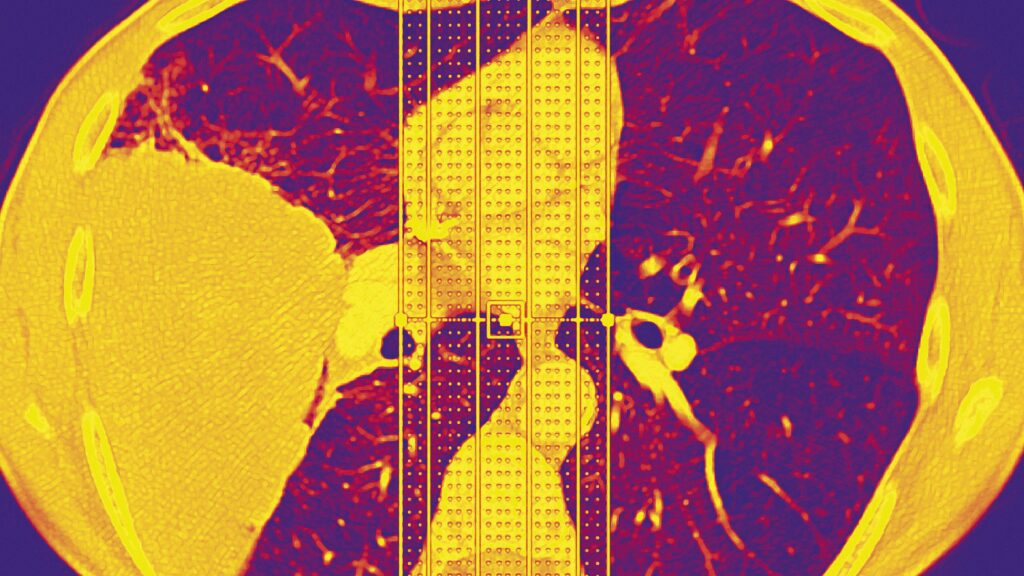
For years, researchers have observed a growing number of non-smokers diagnosed with lung cancer. However, they have been investigating what factors, such as genetics, environment, or other elements, could increase this risk. Now, researchers have pinpointed a extremely rare genetic variant linked to 25 times higher chances of developing lung cancer, according to a report in the journal Science on Thursday.
This variant is more prevalent among individuals in Southern Appalachia, United States, compared to other regions. Health experts believe that this variant may only contribute to a small fraction of non-smoker lung cancer cases. Nevertheless, the study underscores that certain types of tumors can be linked to unique risk factors, potentially prompting a reevaluation of screening protocols and treatment approaches.
More importantly, this research exemplifies the types of significant, yet specific findings that can emerge from analyzing extensive datasets containing health information from millions of people. In this instance, the researchers utilized genetic data from 23andMe. To learn more, continue reading STAT+.
Written by urgent.news from STAT News's reporting — not their text. Machine-written — may contain errors; check the original before relying on it.