NPA Bill 2026 could cost over 300 BOST jobs – IERPP warns
The Institute for Economic Research and Public Policy (IERPP) has warned that the National Petroleum Authority (NPA) Bill, 2026, could weaken BOST Energies and put more than 300 jobs at risk if passed in its current form. Speaking at a press conference in Accra, IERPP Executive Director Prof. Isaac Boadi called for the withdrawal and […]
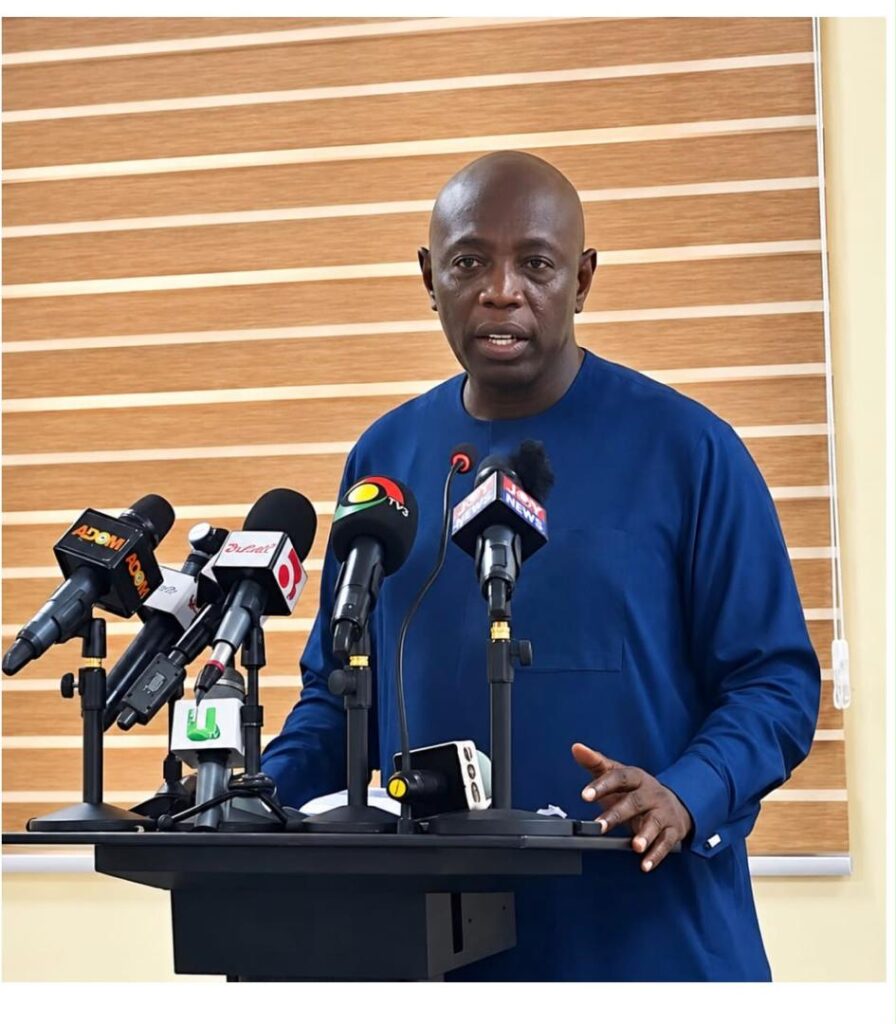
The Institute for Economic Research and Public Policy (IERPP) has raised concerns that the proposed National Petroleum Authority (NPA) Bill, 2026 could lead to the loss of over 300 jobs at BOST Energies if it is passed as currently drafted. At a press conference in Accra, IERPP Executive Director Prof. Isaac Boadi urged for the withdrawal and comprehensive reevaluation of the Bill, contending that certain provisions could grant the NPA and the sector minister excessive authority over decisions that BOST must make autonomously.
The Bill is under consideration by Parliament as part of initiatives to reinforce regulation of Ghana’s petroleum sector, including its storage, transportation, and distribution. Prof. Boadi emphasized that BOST’s role in overseeing Ghana’s strategic fuel reserves and preserving petroleum infrastructure renders its financial and operational robustness vital to the nation’s fuel security.
According to IERPP's projections, if BOST's financial standing were to be diminished, up to 50% of its 658-strong workforce might be impacted, potentially resulting in more than 300 job losses. The Institute highlighted that such a scenario would contradict the government's pursuit of job creation and preservation under the 24-hour economy initiative.
IERPP further queried the rationale behind provisions they believe could impede BOST at a time when the company has demonstrated significant financial gains. For 2025, BOST reported GH¢3.81 billion in revenue and GH¢683.96 million in profit after tax, as disclosed during its 2026 Annual General Meeting. The company also paid its inaugural dividend of GH¢34.2 million to the government.
Consequently, IERPP is advocating for the Bill's withdrawal for additional scrutiny and for safeguarding BOST's mandate, including its oversight of strategic reserves and petroleum infrastructure. The Institute is also pushing for a transparent and cost-reflective tariff system, dedicated funding for strategic reserves, and measures to curb what they deem as unfair competition from private depots.
Prof. Boadi reiterated that the NPA should continue to serve as an effective regulator without assuming the commercial and operational responsibilities essential for BOST to accomplish its national mandate.
Written by urgent.news from Adom Online's reporting — not their text. Machine-written — may contain errors; check the original before relying on it.