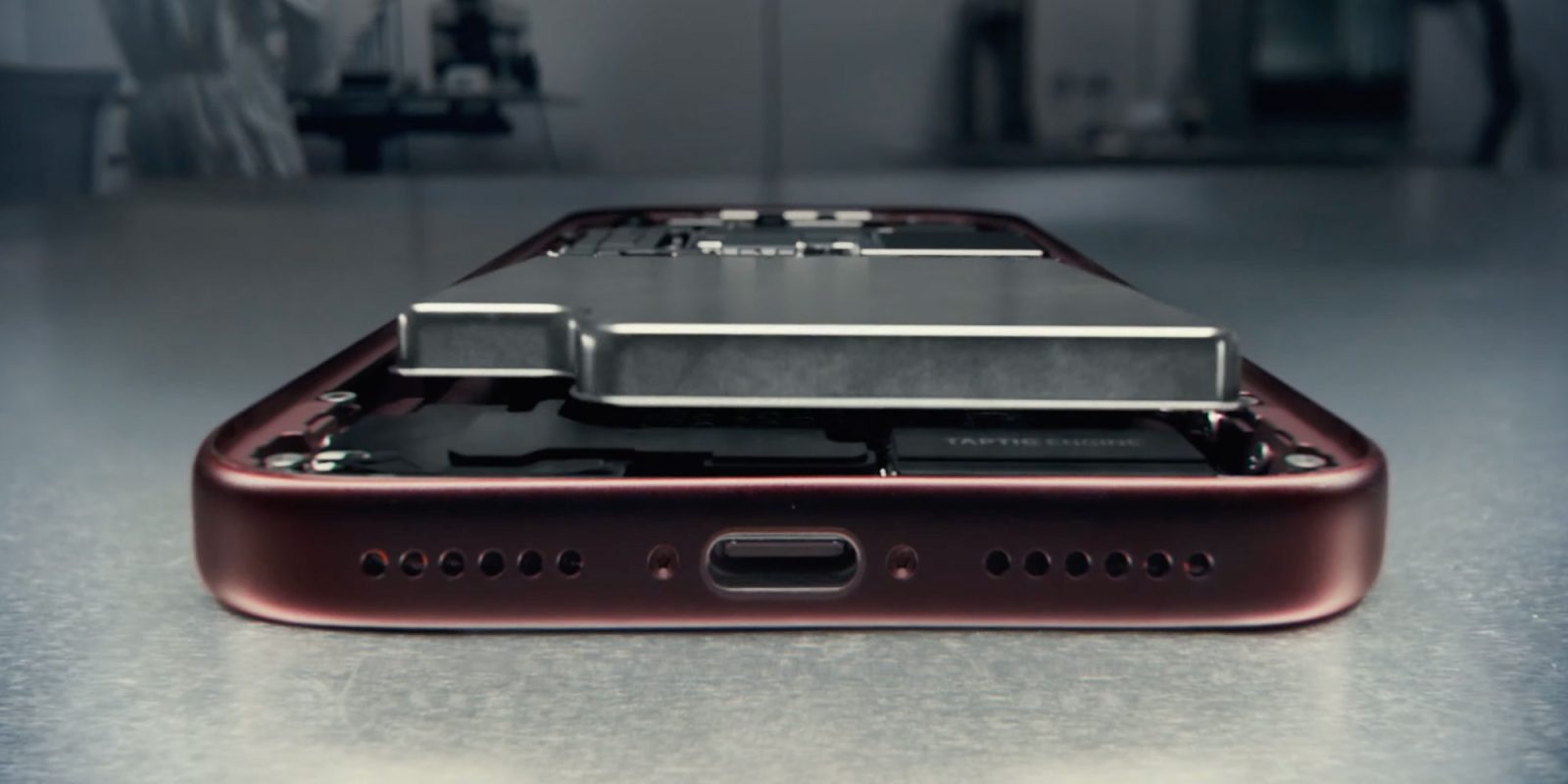
New iPhones, new features: Is it time to upgrade?
Apple just held its biggest hardware event of the year, unveiling the iPhone 18 Pro, the iPhone 18 Pro Max, and its first-ever folding phone, the iPhone Duo. Within 48 hours, timelines had already split into two camps: "revolutionary" or "just another incremental release."
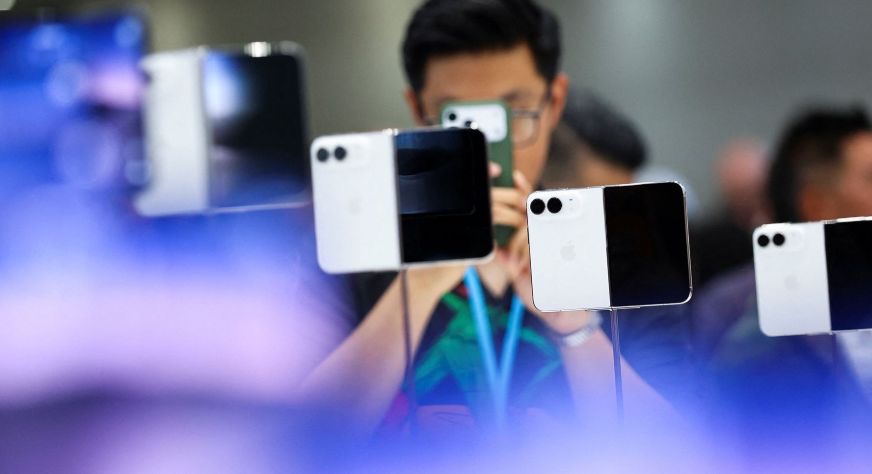
Apple's recent hardware event introduced three new iPhones: the iPhone 18 Pro, the iPhone 18 Pro Max, and the first-ever folding device, the iPhone Duo. The reactions to the launch were polarized - some called it revolutionary, while others viewed it as merely incremental.
The story isn't about the raw specs, but rather the company's method. Apple waited for others to refine folding screens before introducing its own version, carefully integrated into its existing ecosystem rather than just trying to be the first. The iPhone Duo's hinge, opening animation, and software demonstrate this approach - they're polished but lack the groundbreaking features seen in Samsung's and Huawei's devices.
However, the Duo's weight, SIM setup, multitasking capabilities, and pricing differ significantly from its competitors. It scores higher on pixel density and ecosystem integration, but these advantages might not translate into a noticeable difference in daily use for most users.
The iPhone 18 Pro and Pro Max brought more incremental upgrades, including a new camera feature, a faster chip, added health sensors in the Watch line, and slight battery improvements. These changes are beneficial but may not be enough to justify an upgrade for someone not already pushing their current phone to its limit.
The key takeaway is that hype doesn't equate to an upgrade trigger. Real reasons to consider a new device include noticeable slowdown, lack of battery life, charging port or SIM compatibility issues, rising repair costs, or nearing the end of security updates. Apple's camera feature is a good example - useful for serious photography, but largely irrelevant to the average user.
Apple has been talking about on-device private AI for several product cycles, but the feature has yet to deliver tangible benefits in everyday use. The difference between what's announced and what actually works can be significant and should be considered before making a purchase decision.
For professionals, businesses, or anyone heavily invested in technology or content creation, the real opportunity lies not in chasing the newest release, but in mastering the device you already own. Once its capabilities are truly maxed out, upgrading stops being a status symbol and becomes a true productivity multiplier.
Before considering an upgrade to the latest iPhone or any other device, question whether it will address a genuine limitation or if you're merely responding to the excitement of a new launch. If the answer is the former, the investment makes sense. If it's the latter, hold onto your current device and wait for a clear need to justify a purchase. Ultimately, those who gain real advantage aren't the first to buy the newest gadget; they're the ones who know exactly when upgrading will truly provide value.
Written by urgent.news from MyJoyOnline Ghana's reporting — not their text. Machine-written — may contain errors; check the original before relying on it.
This story
This is one outlet's version. Read the fullest account.
- New iPhones, new features: Is it time to upgrade? myjoyonline.com