Climate Change: Loss of Ice Sheets: Eleven Trillion Tons of Ice Since 1979
Greenland and Antarctica are the two large ice shields of the Earth. If the ice there melts, this has serious consequences for sea levels. Experts are now presenting a comprehensive picture.
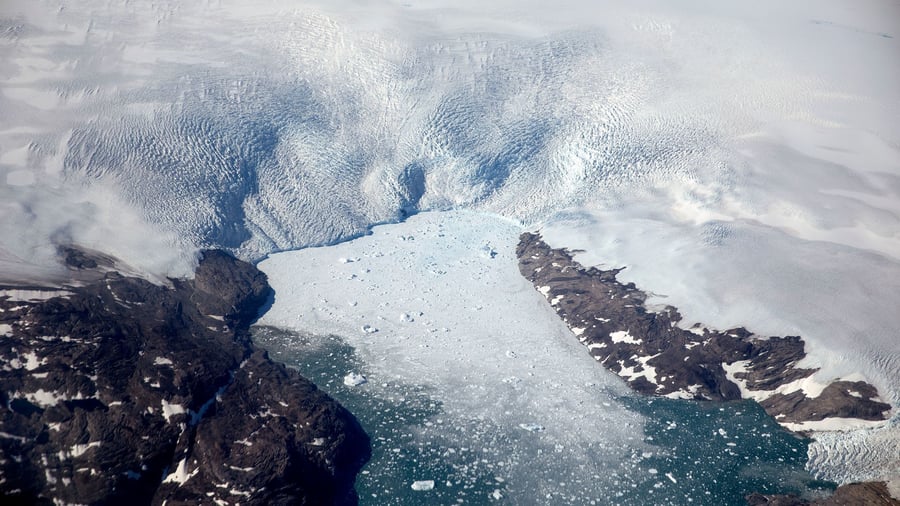
The Earth's two large ice shields in Greenland and Antarctica have lost over 11 trillion tons of ice in the past nearly 50 years, from 1979 to 2023, causing the sea level to rise by 3.14 centimeters. A research team from the Ice Sheet Mass Balance Intercomparison Exercise (IMBIE) analyzed data from 27 satellite missions to track changes in the ice shields.
The ice loss has accelerated rapidly, with Greenland losing around 264 billion tons per year in the 2010s, up from 60 billion tons in the 1980s, and Antarctica losing around 202 billion tons per year in the 2010s, up from 48 billion tons in the 1980s. Most of the ice loss was due to faster-flowing glaciers calving into the ocean, rather than surface melting. The ice shields' loss contributes to around a quarter of the rising sea level.
Written by urgent.news from Handelsblatt's report — not a translation of it. Machine-written — may contain errors; check the original before relying on it.