India’s top nuclear scientist calls for early shift to thorium in PHWR fleet
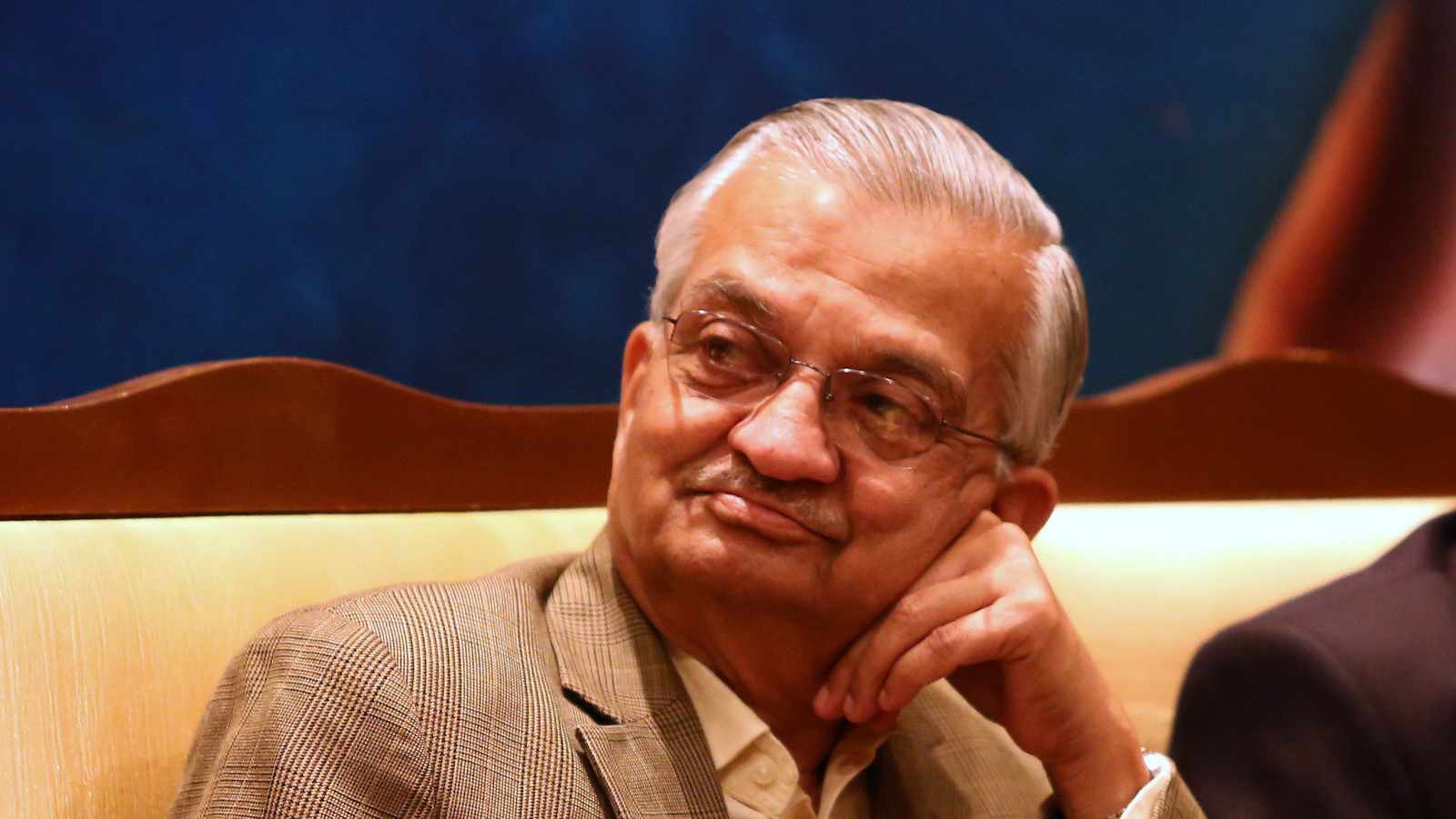
India's leading nuclear scientist, Anil Kakodkar, has proposed an early transition to thorium-based fuel in the nation's indigenous pressurized heavy water reactors (PHWRs), while concurrently pursuing the three-stage nuclear power program. Kakodkar, former Chairman of the Atomic Energy Commission, currently leads the Homi Bhabha National Institute and the Rajiv Gandhi Science & Technology Commission.
The three-stage nuclear power program was initially conceived in the 1950s by Homi Jehangir Bhabha, the pioneer of India's nuclear program. As the world gradually shifts from using uranium to thorium, the prospects for PHWRs are expected to increase, particularly for emerging economy countries.
Kakodkar, speaking to The Indian Express, indicated that the government's approach to the atomic energy sector may now prioritize accessing external funding over foreign technology. However, he emphasized the importance of indigenous PHWRs in addressing India's substantial energy requirements, given the country's limited energy resources.
Nuclear reactors serve a dual purpose, functioning as both energy and fuel producers. Utilizing this feature becomes crucial for a country like India, which faces significant energy demands but lacks ample resources. The government's nuclear energy and nuclear fuel recycle policy, along with economic considerations, will play a pivotal role in determining the choice of nuclear reactor systems and their growth.
PHWRs, developed as part of India's self-reliance and long-term energy security strategy, are particularly well-suited for utilizing thorium. Aside from molten salt reactors, which are yet to mature, PHWRs represent the best platforms for utilizing thorium among thermal reactors. Furthermore, PHWRs have been recognized as a robust, safe, and economically competitive technology, making them an attractive option for investors and advancing India's nuclear energy policy.
Despite the substantial global uranium reserves, India's nuclear energy programs began with uranium due to the scarcity of naturally available fissile isotopes. However, political and security concerns surrounding uranium recycling have limited its energy potential. As nuclear energy programs expand globally and uranium recycling remains a contentious issue, supply-demand mismatches and uranium supply security challenges may arise in the next 10-15 years.
To address this potential gap, Kakodkar highlighted the importance of exploring fuel cycle options instead of solely focusing on reactor options. If PHWRs are to remain the mainstay of future capacity addition plans, the early introduction of thorium should be considered, particularly through the irradiation of thorium alongside high assay low enriched uranium (HALEU) in PHWRs on a large scale.
Written by urgent.news from The Indian Express's reporting — not their text. Machine-written — may contain errors; check the original before relying on it.