Invest in infrastructure to fix electricity gap, German Prof tells FG
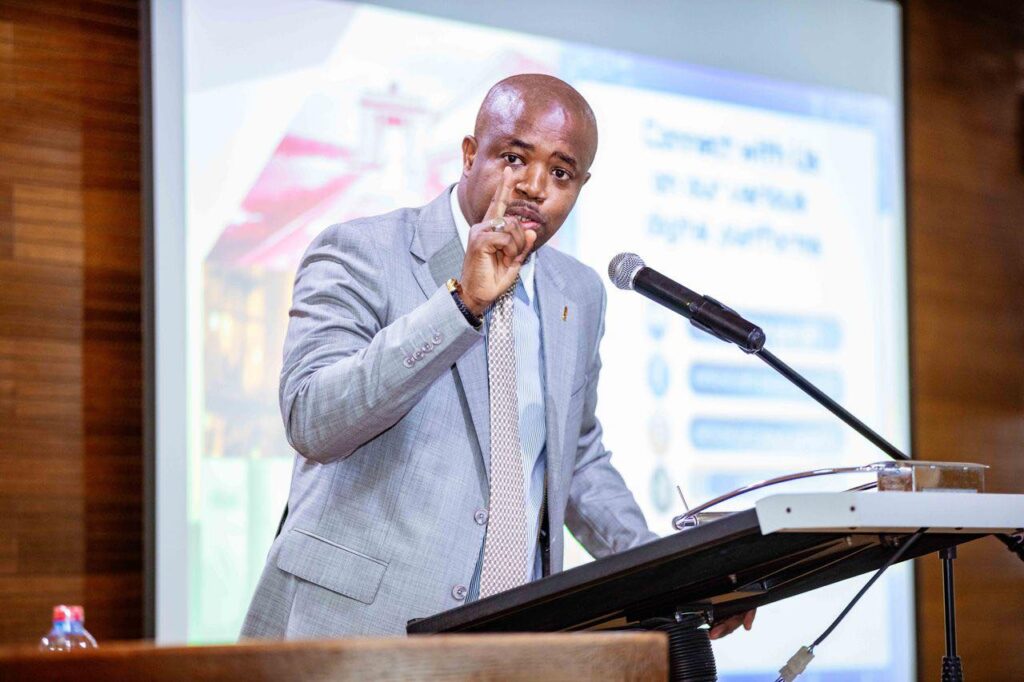
A German electrical engineering expert, Professor Ralf-Dieter Rogler, has urged the Federal Government to invest heavily in electricity infrastructure, maintenance and specialised engineering education to address Nigeria’s power challenges and drive economic development. Rogler made the call while delivering a Distinguished Public Lecture titled, “Comparison Between the Nigerian and German…
Professor Ralf-Dieter Rogler, an electrical engineering expert from Germany, has advised the Nigerian Federal Government to invest significantly in infrastructure, maintenance, and specialized engineering education to tackle the country's power issues and spur economic growth. Delivering a lecture titled "Comparison Between the Nigerian and German Electrical Grid: Lessons and Challenges to the Nigerian University System" at the Federal University Lokoja, Rogler highlighted Nigeria's power sector struggles, including inadequate generation capacity, insufficient transmission networks, and poor maintenance.
With a population of 243 million and an installed generation capacity of 6.4 gigawatts, Nigeria's power sector falls short of meeting demands and fostering growth. Comparing Nigeria and Germany, Rogler pointed out that despite Nigeria's size being three times that of Germany, the latter boasts an extensive interconnected grid featuring about 3,000 kilometres of high-voltage overhead transmission lines, while Nigeria only has around 3,000 kilometres.
An average Nigerian household experiences about 2,800 minutes of power interruptions annually, compared to only eight minutes for an average German household. Rogler emphasized the need for substantial investments in electricity generation, transmission, distribution, and equipment upkeep. He also noted Germany's transition towards renewable energy sources, particularly wind and solar, but stressed the importance of energy storage and advanced transmission networks to manage the intermittent nature of these sources.
The professor underscored the vital role Nigerian universities play in cultivating skilled electrical engineers and developing focused programs in switchgear technology, power electronics, and computing. To bolster its power sector, Rogler cited the need for Nigeria to significantly enhance its engineering education, aiming to produce the expertise required for a transformative power sector.
Despite these challenges, Rogler remains optimistic about Nigeria's future, citing its youthful population as a potential advantage. He encouraged young people and universities to embrace education, innovation, and engineering as fundamental tools for economic development. Earlier, the FUL Vice-Chancellor, Professor Gbenga Solomon Ibileye, expressed the university's readiness to collaborate with German institutions on power systems, renewable energy, and engineering education.
Collaborative opportunities, including joint research, staff and student exchanges, and practical training, were envisioned to position the FUL as a center for renewable energy innovation.
Written by urgent.news from Daily Trust's reporting — not their text. Machine-written — may contain errors; check the original before relying on it.