UNIDO, FBRA partner to turn plastic waste into economic resource
The Food and Beverage Recycling Alliance (FBRA) and the United Nations Industrial Development Organisation (UNIDO) have demonstrated how public-private collaboration can transform plastic waste into an economic resource while tackling pollution in Nigeria. The Executive Director of FBRA, Agharese Onaghise, stated this at the closing ceremony of the 54-month UNIDO project, “Promoting Sustainable…
The Food and Beverage Recycling Alliance (FBRA) and the United Nations Industrial Development Organisation (UNIDO) have collaborated to transform plastic waste into an economic resource in Nigeria. At the conclusion of a 54-month UNIDO project in Lagos, FBRA Executive Director Agharese Onaghise announced the establishment of four pilot plastic collection facilities to support Extended Producer Responsibility (EPR).
The facilities, located in Lagos, are now operated independently and collect plastic materials for reuse in production.
Polysmart Packaging Limited's Okun Ajah facility, launched in February 2026, demonstrated FBRA, UNIDO, and the Federal Ministry of Environment's collaboration in creating community awareness. The facility processed 76 tonnes of plastic during its first six months, with recovered materials sent to Polysmart's main facility for further processing.
FBRA provided a baler and private partners contributed land, personnel, and community support. Community roadshows encouraged participation in recycling, with the Switch App connecting households with collection agents.
In Abuja, the Jabi pilot facility operated by the Abuja Environmental Protection Board (AEPB) processed nine tonnes of plastic between March and August 2026. The facility integrated sourcing, collection, sorting, processing, and sales to off-takers, employing 11 people and supporting 35 women waste workers. The project formalized informal waste picking, providing safer working conditions and structured income streams.
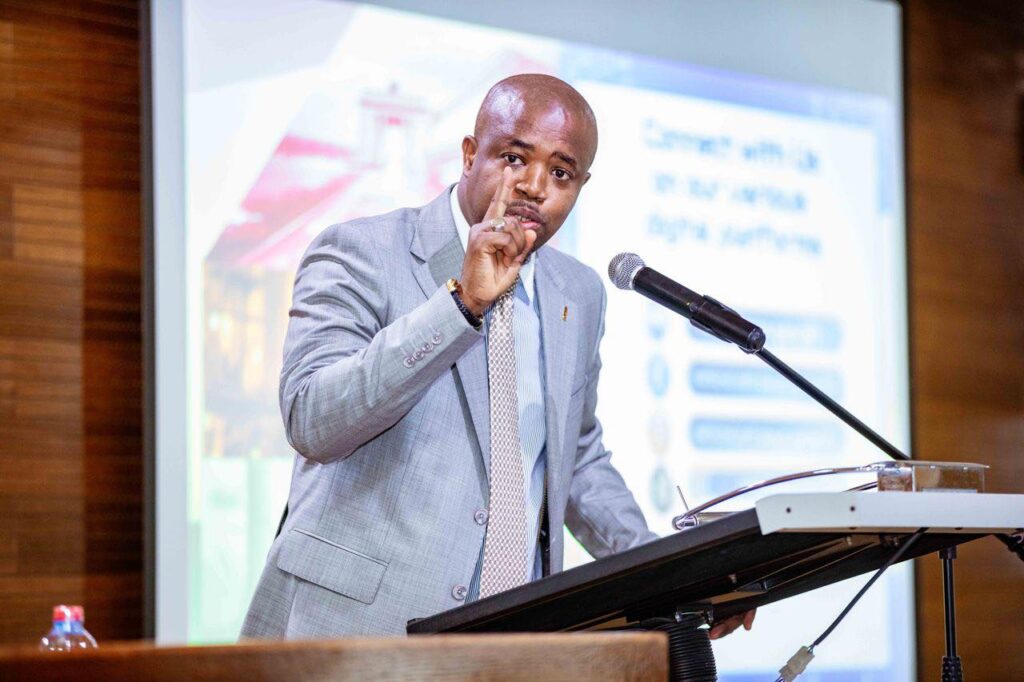
UNIDO's Ambassador Philbert Johnson emphasized that tackling plastic pollution requires coordinated efforts, including policy, institutional capacity, municipal services, and private-sector involvement. The project has created jobs, improved collection systems, and strengthened recycling activities in Lagos and Abuja, with plans to implement similar initiatives nationwide.
Written by urgent.news from Daily Trust's reporting — not their text. Machine-written — may contain errors; check the original before relying on it.