Fiji declares HIV a national crisis as diagnoses surge
WELLINGTON, Sept 17 (Reuters) - Fiji has declared HIV a national crisis after new diagnoses climbed 27% last year, intensifying concern that an epidemic once concentrated among people who inject drugs is spreading more widely through the Pacific island nation.
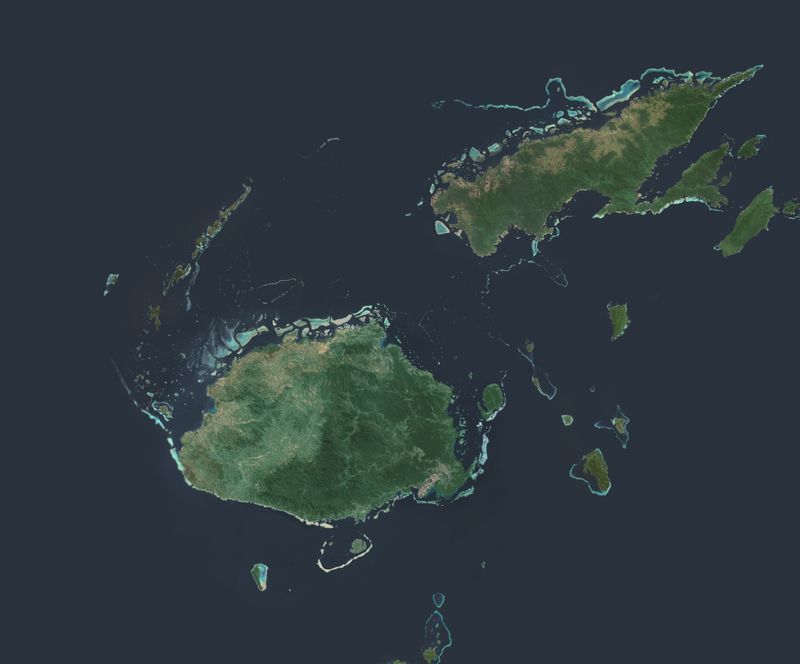
Fiji has declared HIV a national crisis after new diagnoses surged by 27% last year, prompting concerns that an epidemic once confined to people who inject drugs is spreading more widely across the Pacific island nation. According to the government, 2,016 people were diagnosed with HIV in 2025, with an estimated one in 60 adults living with the disease.
Tragically, 59 babies were born with HIV and 18 died before their first birthday, the government added. Expanded testing was credited with uncovering infections, allowing for earlier treatment. Authorities now plan to increase access to free, voluntary and confidential testing, prevention medicines, harm-reduction services for injecting drug users, and treatment.
Fiji, home to around 900,000 people, is witnessing one of the world's most rapid increases in new infections, according to UNAIDS. The organization estimates that 9,100 Fijians were living with HIV last year, with only 39% aware of their status and 22% receiving antiretroviral treatment. UNAIDS Executive Director Winnie Byanyima emphasized the urgency of the situation, stating that it also serves as a stark reminder that AIDS is far from over.
More than half of the known cases were linked to sexual transmission, while over 42% were attributed to injecting drug use, UNAIDS reported. The agency welcomed the government's plans for a needle-and-syringe program and expanded access to pre-exposure prophylaxis (PrEP), a medicine used to lower the risk of contracting HIV. The government has established a five-minister Cabinet subcommittee to eliminate barriers to action, declaring discrimination against people living with HIV illegal and ensuring services are available nationwide.
Despite Fiji's HIV prevalence being lower than parts of Africa, where nearly 1 in 35 adults are living with the disease, the country's estimate of one in 60 adults remains a cause for concern.
Written by urgent.news from Daily Maverick's reporting — not their text. Machine-written — may contain errors; check the original before relying on it.
This story
This is one outlet's version. Read the fullest account.