Cultural Neighborhoods of Cartagena That Keep the City’s Identity Alive
Cartagena de Indias is internationally recognized for its Historic Center, its walls, and its colonial architecture, but the city’s identity can also be found in its cultural neighborhoods. These communities preserve traditions, artistic expressions, gastronomy, religious celebrations, music, and forms of community organization that have been passed down from one generation to the next.…
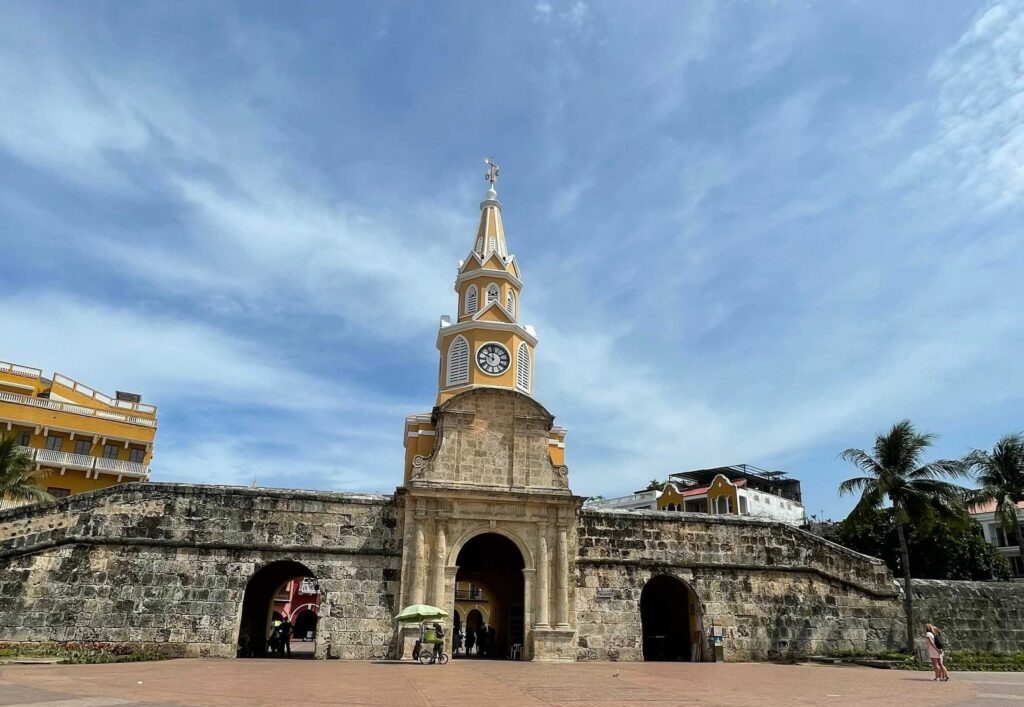
Cartagena, a major tourist destination in Colombia, is known for its historic center, colonial architecture, and walls. However, the city's true identity lies in its cultural neighborhoods, which preserve traditions, artistic expressions, gastronomy, religious celebrations, music, and community organization. These neighborhoods are home to the everyday lives of residents, showcasing the city's heritage beyond its tourist attractions.
Getsemani, a neighborhood declared National Heritage and Cultural Memory by the Cartagena government, is one such example. Its history is intertwined with the city's expansion during the 16th and 17th centuries, and its streets, squares, and community spaces have served as settings for social gatherings and cultural expression. This identity was officially recognized in July 2026 when Getsemani's "Vida de Barrio" (Neighborhood Life) was added to Colombia's National Representative List of Intangible Cultural Heritage.
San Diego, another neighborhood within the Historic Center, also contributes to Cartagena's cultural landscape. Its narrow streets, plazas, traditional homes, and historic buildings showcase the city's history and urban memory. The preservation of these spaces is crucial for Cartagena's heritage protection policies, as they are integral to the neighborhood's everyday life and the cultural expressions that have developed over centuries.
Manga, located on an island connected to the rest of the city by bridges, is yet another facet of Cartagena's urban culture. This neighborhood preserves Republican-era buildings and elements associated with the city's expansion during the early 20th century. Its landscape includes port activity, the bay, and spaces connected to navigation, illustrating Cartagena's transition from a walled colonial city to a modern urban center connected to port and commercial development.
Written by urgent.news from Colombia One's reporting — not their text. Machine-written — may contain errors; check the original before relying on it.