Arabian leopards from Saudi Arabia could move to new home in Washington
The Smithsonian's National Zoo in Washington is developing a new habitat for the critically endangered Arabian leopard, with a breeding pair expected to travel to the US from Saudi Arabia . The Royal Commission for AlUla and the Smithsonian’s National Zoo and Conservation Biology Institute announced the project on Thursday as part of a partnership focused on conservation and research. According…
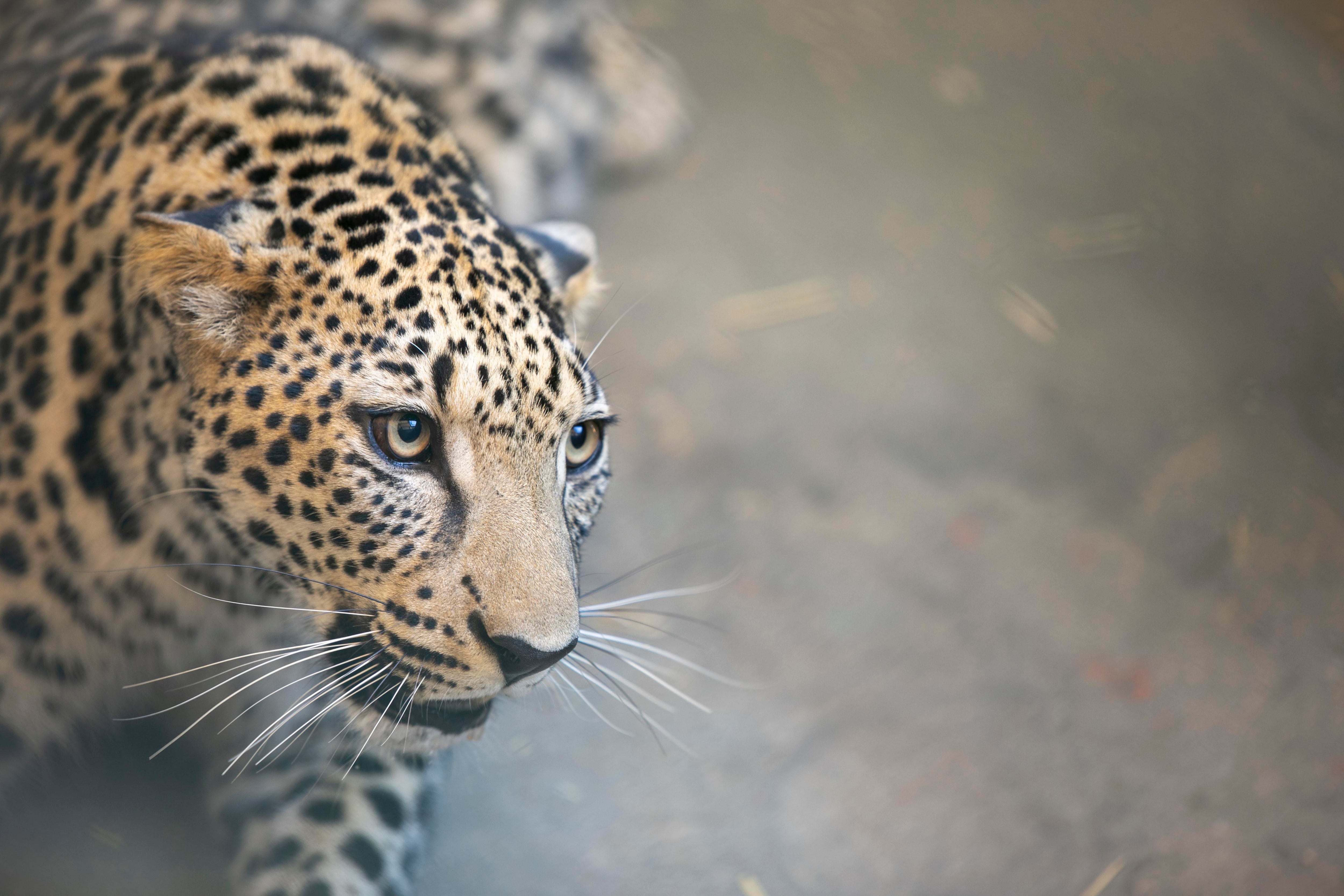
The Smithsonian's National Zoo in Washington, D.C. is setting up a new habitat for the critically endangered Arabian leopard. A breeding pair from Saudi Arabia is expected to be moved to the United States as part of a partnership between the Royal Commission for AlUla and the Smithsonian's National Zoo and Conservation Biology Institute.
Fewer than 120 Arabian leopards are believed to remain in the wild, making this subspecies one of the world's rarest big cats. The habitat is expected to open in 2029. The Royal Commission for AlUla operates a leopard conservation breeding program in Taif, which has more than doubled the managed population over the past years. The partnership aims to enhance research, breeding, and management of the genetic diversity of the Arabian leopard population, as well as providing training and knowledge exchange opportunities for Saudi and AlUla students.
The new exhibit in Washington will also feature a sandstone replica of an ancient AlUla petroglyph, which dates back to between 800 BCE and 400 CE. Arabian leopards historically inhabited parts of the Arabian Peninsula, but their population has significantly declined due to habitat loss, declining prey populations, and other threats.
Written by urgent.news from The National Business's reporting — not their text. Machine-written — may contain errors; check the original before relying on it.
Also reported by 5 other outlets
- Arabian leopards from Saudi Arabia could move to new home in Washington thenationalnews.com
- Could China steal F-35 tech through Saudi Arabia deal? Report flags link amid Beijing's past record livemint.com
- Turkey condemns Houthi drone attack on Saudi Arabia, warns of regional instability english.ajel.sa
- From Yanbu to Sohar: Tracking Saudi Arabia’s alternative oil routes aljazeera.com
- Oil holds drop as Saudi Arabia moves to restore vital pipeline moneyweb.co.za