Arabian leopards from Saudi Arabia could move to new home in Washington
The Smithsonian's National Zoo in Washington is developing a new habitat for the critically endangered Arabian leopard, with a breeding pair expected to travel to the US from Saudi Arabia . The Royal Commission for AlUla and the Smithsonian’s National Zoo and Conservation Biology Institute announced the project on Thursday as part of a partnership focused on conservation and research. According…
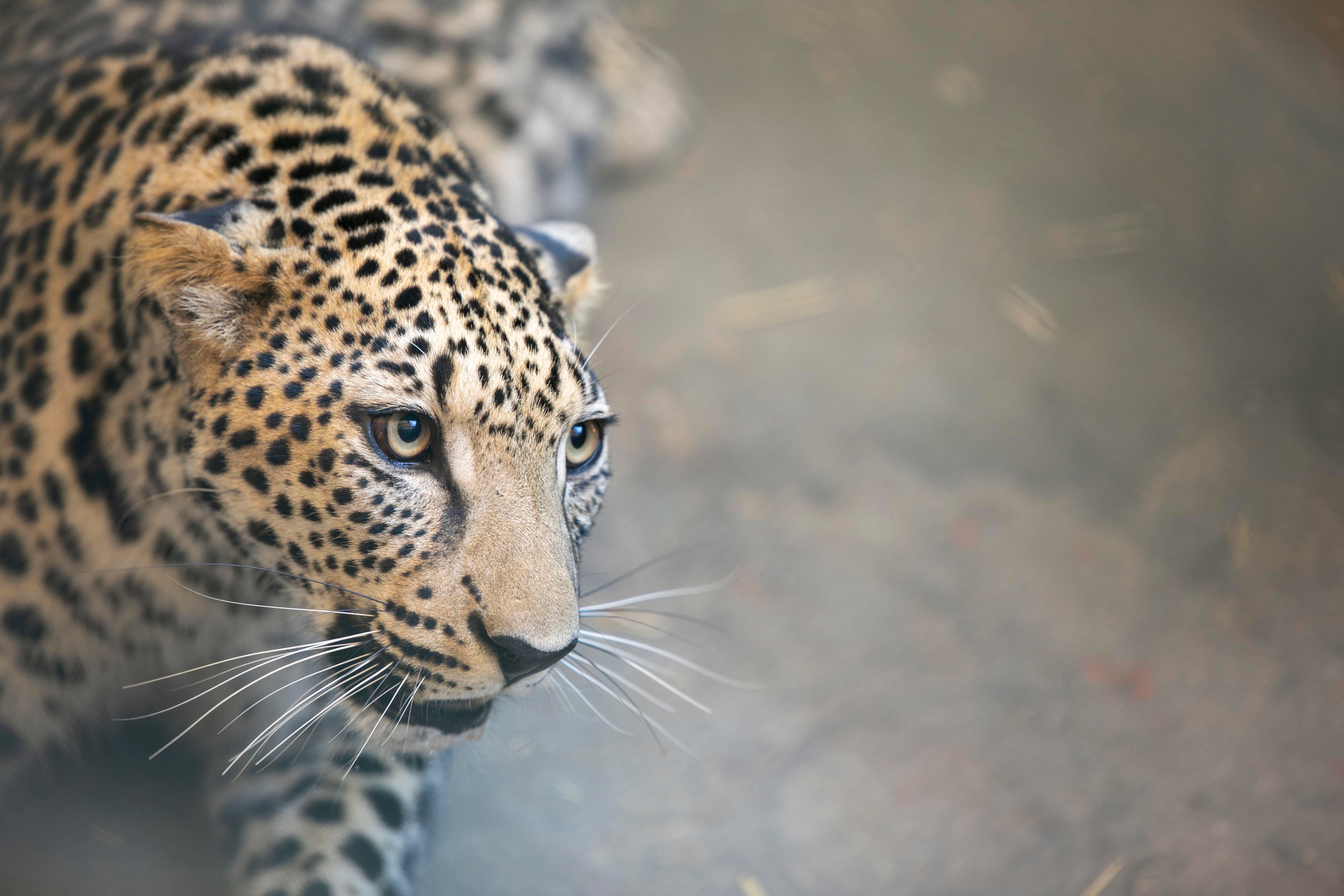
The Smithsonian's National Zoo in Washington D.C. is planning to introduce a pair of critically endangered Arabian leopards from Saudi Arabia to a new habitat. This partnership aims to raise awareness about the rare big cat and support its conservation in the wild. The habitat is set to open in 2029 after technical assessments and regulatory approvals are completed, focusing on animal welfare, genetic suitability, and readiness.
There are fewer than 120 Arabian leopards remaining in the wild, making the species one of the rarest big cats globally. The two leopards will be transferred from Saudi Arabia's conservation breeding program, operated by the Royal Commission for AlUla (RCU). The habitat aims to raise awareness about the species and highlight efforts to protect it in Saudi Arabia.
Abeer Al Akel, the chief executive of the RCU, emphasized the long-term nature of the conservation efforts, which include restoring landscapes, strengthening scientific recovery, and developing Saudi conservation talent. The RCU's leopard conservation breeding program in Taif has seen its population more than double since the commission took over.
The partnership with the Smithsonian will involve research, breeding, and management of the population's genetic diversity, along with training and knowledge exchange programs. The Arabian leopard once roamed across the Arabian Peninsula but has seen a substantial population decline due to habitat loss and prey depletion. The species has a historical connection to AlUla, where ancient rock art featuring leopards has been found.
The Smithsonian was presented with a sandstone replica of an AlUla petroglyph depicting a leopard, which will be part of the new exhibit. The collaboration is part of a broader program to return Arabian leopards to the wild in AlUla, contingent on factors such as sufficient prey and long-term monitoring capabilities. Protected areas cover more than half of AlUla, with ongoing efforts to restore vegetation and reintroduce native wildlife.
Over one million native plant seedlings have been produced, and more than 74,400 hectares have been rehabilitated in Sharaan National Park, with a significant increase in vegetation cover. The reintroduction of animals has also taken place, contributing to the restoration of ecosystems and establishing a sustainable prey base for Arabian leopards in the wild.
Written by urgent.news from The National UAE's reporting — not their text. Machine-written — may contain errors; check the original before relying on it.
This story
This is one outlet's version. Read the fullest account.
- Arabian leopards from Saudi Arabia could move to new home in Washington thenationalnews.com
- Could China steal F-35 tech through Saudi Arabia deal? Report flags link amid Beijing's past record livemint.com
- Turkey condemns Houthi drone attack on Saudi Arabia, warns of regional instability english.ajel.sa
- From Yanbu to Sohar: Tracking Saudi Arabia’s alternative oil routes aljazeera.com
- Oil holds drop as Saudi Arabia moves to restore vital pipeline moneyweb.co.za