Umwelt: Ozonloch über der Antarktis so klein wie selten seit 1990
Weniger FCKW, kleineres Ozonloch – doch UV-Risiken bleiben. Was die WMO-Chefin zum Schutz empfiehlt - und was das für die Menschen bedeutet.
The Antarctic ozone hole shrank to its smallest size since 1990 in 2025, according to the World Meteorological Organization (WMO). This represents the second consecutive year that both the horizontal extent and vertical depth of the hole were significantly below the average for the period of 1990 to 2010, reported the WMO. WMO chief Celeste Saulo stated that this is a success story in environmental protection, as the ozone layer has been recovering since 2000 and is expected to fully recover within a few decades.
The success is attributed to the Montreal Protocol of 1987, which phased out harmful substances such as fluorinated hydrocarbons (FCKW) that caused the ozone hole. The ozone layer is crucial as it protects humans and the Earth from harmful UV radiation, which can cause skin cancer. The trend of recovery in the Arctic is also expected, said Paolo Laj, head of the WMO's atmospheric observation program.
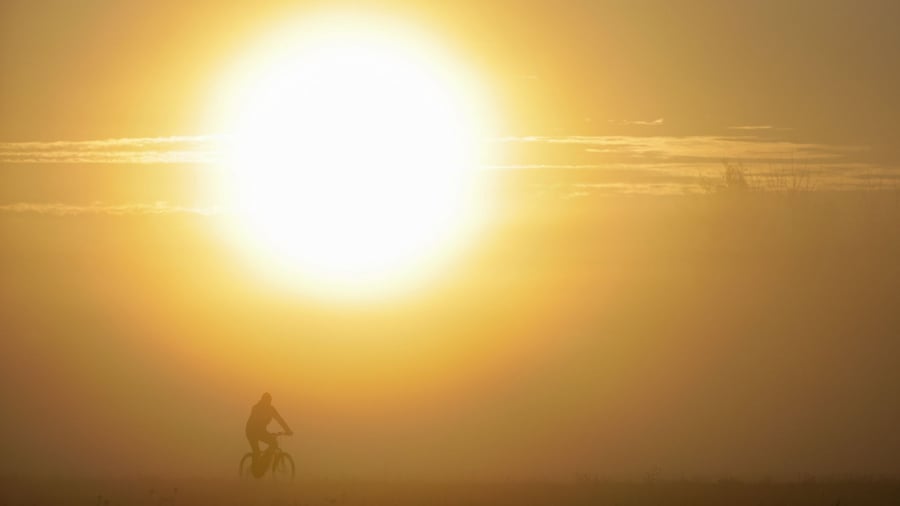
However, there was a slight decrease in ozone levels over some areas of the northern hemisphere in 2025 due to other meteorological phenomena, but this was not a hole like over the Antarctic. Instead, it was a temporary dilution effect. In parts of Europe, UV radiation increased by up to 20% since the mid-1990s due to fewer clouds and longer daylight hours.
The WMO bulletin emphasized that targeted and effective measures for UV protection are of utmost importance given this development.
Written by urgent.news from Handelsblatt's reporting — not their text. Machine-written — may contain errors; check the original before relying on it.