Policy Address 2026: Hong Kong to extend baby bonuses, increase child allowance
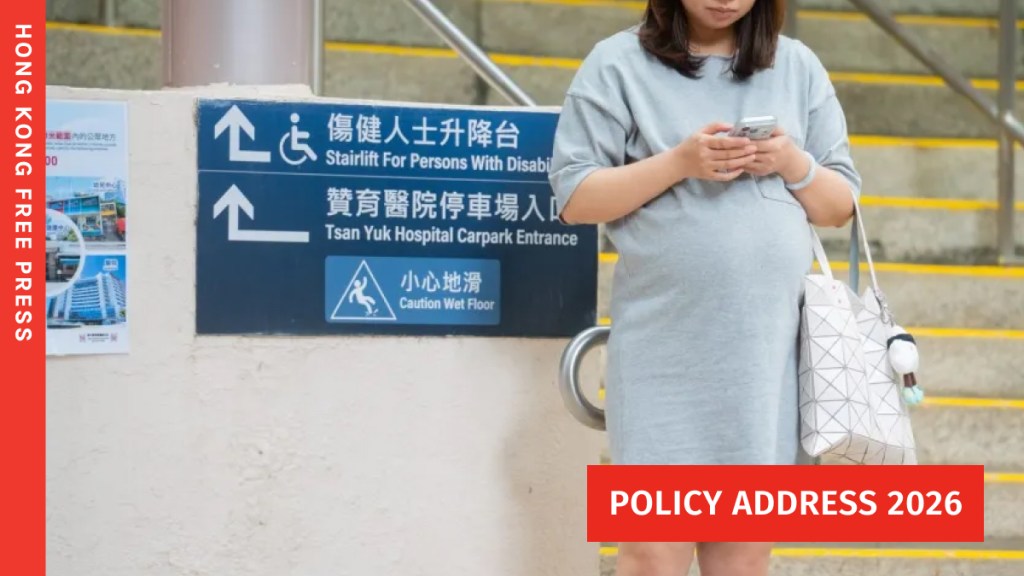
Hong Kong will extend its newborn baby bonus scheme, increase tax allowances for families with newborns, and develop more subsidised daycare facilities in a bid to boost fertility and assist young families amid record-low births, the city’s leader has announced. Chief Executive John Lee introduced the measures during his annual Policy Address on Wednesday. The […]
Hong Kong has unveiled its first Five-Year Plan, aligning with China's blueprint, with a focus on boosting innovation spending and improving the ratio of doctors to the population, among other targets. Chief Executive John Lee outlined five main goals during his fifth Policy Address, including economic breakthroughs, maintaining Hong Kong's international competitiveness, developing the Northern Metropolis, enhancing social wellbeing, and integrating into national development.
The plan sets 22 anticipatory or binding indicators, following Beijing's evaluation framework. One anticipatory goal is to increase domestic spending on innovation activities as a percentage of GDP from 1.63% in 2024 to 3% by 2030. Another is to grow the tourism industry's value added by 40-50% compared to the economy.
Education and health targets include a 25% increase in non-local students in full-time post-secondary education, from 79,800 in 2024/25 to 100,000 in 2029/30. Authorities also aim to raise the doctor-to-population ratio from 2.25 to 2.43 by 2030. However, no specific figure has been set for per capita public health expenditure, which is expected to show an "upward trend."
Four environment-related binding indicators are also part of the plan. These include increasing zero-carbon energy in electricity generation from 25% in 2024 to 30% in 2030, and reducing PM2.5 air pollutant concentration from 15 micrograms per cubic metre to below 14. The Northern Metropolis, a sprawling infrastructure project, has two related indicators: a 750% increase in "spade-ready sites," or land ready for construction, and a 640% increase in completed housing units.
While proposed in 2021, the project has faced criticism over its scale, potential impact on wetland habitats, and the loss of homes and farmland.
Written by urgent.news from Hong Kong Free Press's reporting — not their text. Machine-written — may contain errors; check the original before relying on it.
This story
This is one outlet's version. Read the fullest account.