Part-human part-mouse brain developed in science breakthrough
Researchers at Stanford University genetically altered mice to be able to receive and function with human brain cells.
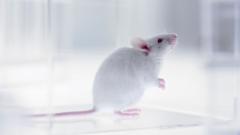
Neuroscientists in the United States have successfully created mice with human cells in their brains, marking a significant scientific breakthrough. Researchers from Stanford University, led by Prof. Sergiu Pașca, aimed to better understand the biology of psychiatric and neurodevelopmental diseases that don't have effective treatments in humans.
These mice are not "thinking" like humans, but rather have human brain tissue implanted in them, allowing for a more accurate study of human brain function. The mice were genetically engineered to have very little of their own brain tissue, and then human cells were implanted and grew into structures called organoids. Although these mice may look a bit disorganized, the human cells eventually formed and functioned like the outer layer of the mouse's brain.
The scientists hope that this new model will provide a way to study complex human brain disorders, such as epilepsy, autism, and cerebral palsy, which cannot be effectively studied in mice. However, ethicists caution that this breakthrough raises questions about animal cognition and the ethical implications of creating living human brain tissue in animals.
Written by urgent.news from MyJoyOnline Ghana's reporting — not their text. Machine-written — may contain errors; check the original before relying on it.