iPhone Duo vs Samsung Galaxy Z Fold 8 — which foldable is best for you?
iPhone Duo is coming to try and claim Galaxy Z fold 8's crown, but can it suceed?
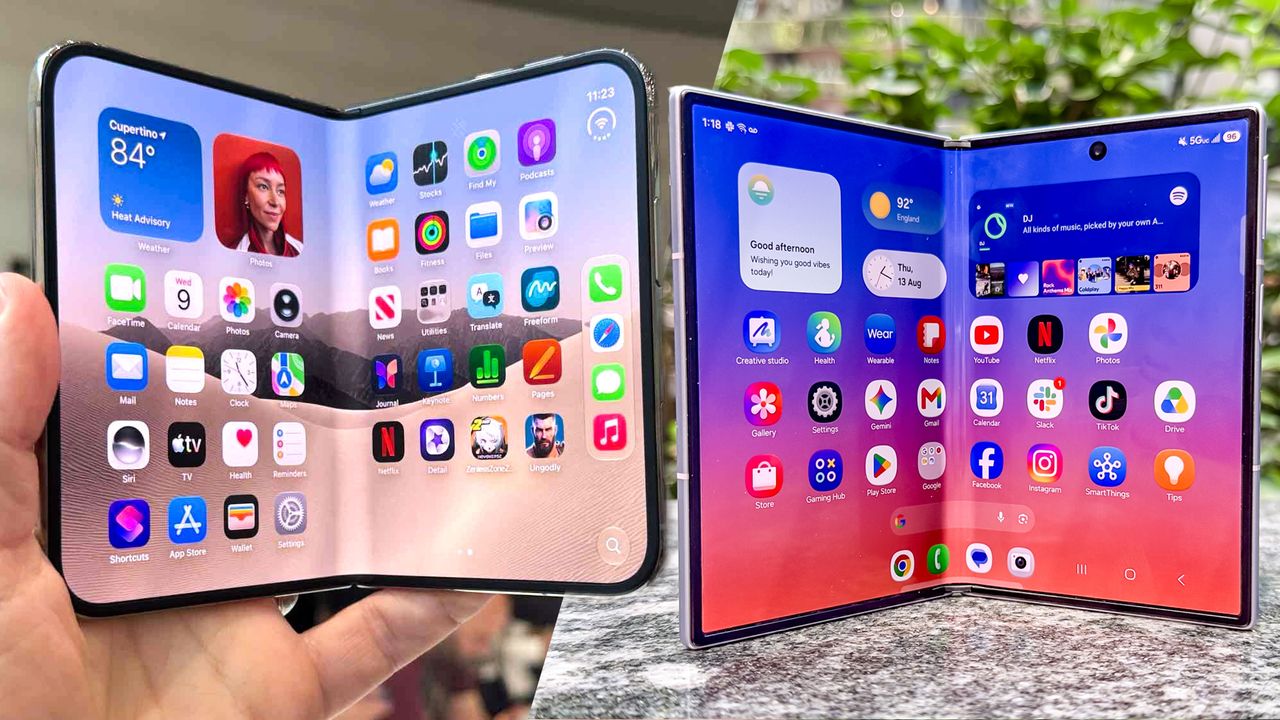
The iPhone Duo and Samsung Galaxy Z Fold 8 are two of the most highly anticipated foldable phones on the market. Apple's first foldable phone, the iPhone Duo, is set to release on October 23 with a starting price of $1,999. In comparison, the Samsung Galaxy Z Fold 8 is already available for purchase with a starting price of $1,899. Both phones boast a wider, passport-shaped design and a 7.6-inch display, although the Z Fold 8 has a slightly larger cover display at 5.5 inches compared to the iPhone Duo's 5.4 inches.
The Galaxy Z Fold 8 features a wider cover display and a slightly larger screen overall, but the iPhone Duo is thinner and lighter. While both phones have IP resistance, the iPhone Duo offers full water and dust resistance, while the Galaxy Z Fold 8 only provides water resistance. Both devices have fingerprint scanners in the power buttons and hole-punch cameras in the cover display, with the Galaxy Z Fold 8 also featuring an additional camera in the foldable screen.
Camera quality is also a point of contention, with the Z Fold 8 having a marginally higher resolution in its rear cameras, but Apple's computational photography may give the iPhone Duo an edge. The Galaxy Z Fold 8 has the advantage of being available in four different colors, while the iPhone Duo is only available in Night Sky and Star White.
Ultimately, the decision between the two will come down to personal preference in terms of design, camera quality, and budget.
Written by urgent.news from Tom's Guide's reporting — not their text. Machine-written — may contain errors; check the original before relying on it.