If BOST made GH¢684m profit, why use NPA Bill 2026 to weaken it? – IERPP questions Gov’t
The Institute for Economic Research and Public Policy (IERPP) has cautioned Parliament against passing the National Petroleum Authority (NPA) Bill, 2026 in its current form, warning it could weaken the operations of BOST Energies (BOST). According to IERPP, Parliament is currently considering the Bill to tighten rules in Ghana's downstream petroleum sector, but some provisions would hand the NPA…
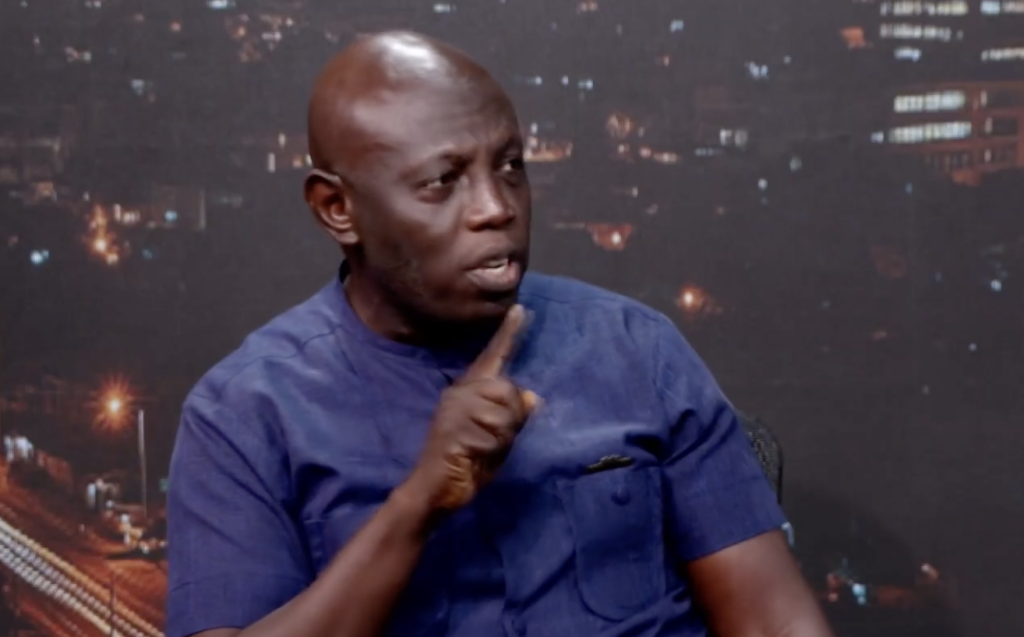
The Institute for Economic Research and Public Policy (IERPP) has voiced concerns over Parliament's consideration of the National Petroleum Authority (NPA) Bill, 2026. The think tank warns that certain provisions in the Bill could undermine the operations of Ghana's state-owned BOST Energies. Prof. Isaac Boadi, IERPP's Executive Director, explained that BOST is not a typical company; it manages Ghana's strategic fuel reserves and maintains the national pipeline network.
If the Bill is passed as it stands, BOST could face significant financial strain, potentially leading to the loss of nearly half of its workforce. This would contradict the government's commitment to a 24-hour economy, as each job in BOST supports three others through employment across multiple shifts. The Institute's analysis of BOST's 2025 financial performance reveals a substantial increase in revenue, with total revenue rising from GH¢1.330bn in 2024 to GH¢3.841bn in 2025—a 189% growth.
Operating revenue also saw a remarkable boost, up by 195%. According to the State Interests and Governance Authority (SIGA) report, BOST's net profit surged from GH¢398.40m in 2024 to GH¢683.96m in 2025, marking a 72% increase. However, IERPP points out that BOST's operating margin plummeted from 31% to 19%, driven by escalated direct trading costs.
The Institute raised three primary questions regarding the proposed Bill: How can BOST manage strategic reserves if funding, stock levels, and release decisions remain under other authorities' control? How can BOST maintain its depots and pipelines if the charges it needs to set require regulatory approval without a transparent, cost-reflective mechanism?
And how can BOST remain viable if competing depots are licensed, and profitable business ventures are diverted away from it? The Institute subsequently presented seven demands to Parliament: Withdraw and thoroughly review the NPA Bill, 2026. Clearly define and safeguard BOST's mandate, including the authority to sell directly to Original Manufacturing Companies (OMCs).
Retain strategic fuel reserves under national control, with BOST as the principal manager. Allocate dedicated funding for reserves and infrastructure, ensuring BOST's profitability supports new depots. Establish a fair, transparent, and cost-reflective tariff mechanism to prevent unfair competition. Prohibit Border Dependent Companies (BDCs) from constructing inland depots that could undermine BOST's operations.
Maintain the NPA as the sole regulator, not as a market participant. Prof. Boadi emphasized that "Responsibility without authority is unfair. Responsibility without funding is unsustainable. National infrastructure without sustainable revenue is a liability waiting to happen."
Written by urgent.news from MyJoyOnline Ghana's reporting — not their text. Machine-written — may contain errors; check the original before relying on it.
This story
This is one outlet's version. Read the fullest account.