If BOST made GH¢684m profit, why use NPA Bill 2026 to weaken it? – IERPP questions Gov’t
The Institute for Economic Research and Public Policy (IERPP) has cautioned Parliament against passing the National Petroleum Authority (NPA) Bill, 2026 in its current form, warning it could weaken the operations of BOST Energies (BOST). According to IERPP, Parliament is currently considering the Bill to tighten rules in Ghana's downstream petroleum sector, but some provisions would hand the NPA…
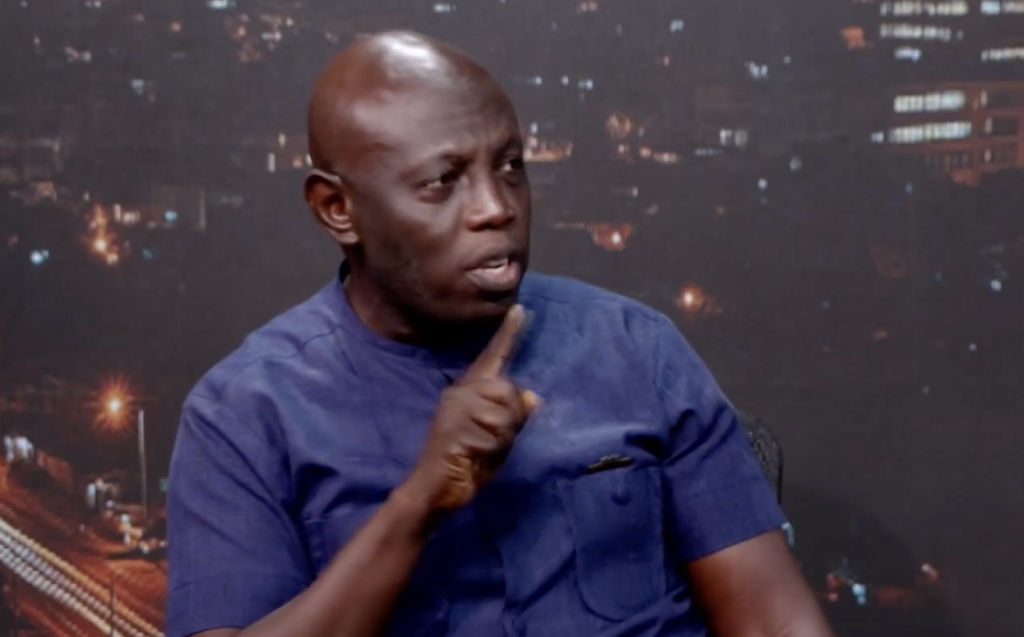
The Institute for Economic Research and Public Policy (IERPP) has expressed concerns to Parliament regarding the proposed National Petroleum Authority (NPA) Bill, 2026, warning it could undermine the operations of BOST Energies (BOST). The Institute cautioned that the Bill, if passed in its current form, may weaken BOST’s ability to manage Ghana’s strategic fuel reserves and maintain the national network of depots and pipelines.
BOST is a state-owned entity responsible for holding Ghana’s fuel reserves and ensuring the smooth operation of the national petroleum supply chain. IERPP highlighted that if BOST were weakened financially, approximately 50% of its 658 employees could face job losses, exacerbating unemployment and conflicting with the government's promise of a 24-hour economy.
The 2025 performance report revealed that BOST’s revenue saw a remarkable increase, soaring from GH¢1.330bn in 2024 to GH¢3.841bn in 2025, a 189% growth. Operating revenue also rose from GH¢1.293bn to GH¢3.809bn, a 195% jump. While BOST's net profit grew by 72%, from GH¢398.40m to GH¢683.96m, IERPP noted that the operating margin declined from 31% to 19% due to increased direct trading costs.
The Institute posed three critical questions to the Bill: How can BOST manage strategic reserves if decisions on funding, stock levels, and release are reserved for other authorities? How can BOST maintain depots and pipelines if the charges it needs to levy require regulatory approval without a clear, cost-reflective method? How can BOST remain sustainable if competing depots are licensed and generate profitable business, drawing away competitive advantages?
IERPP presented seven demands, including withdrawing and fundamentally reviewing the NPA Bill, 2026; clearly defining and protecting BOST's mandate, including the authority to sell directly to Original Equipment Manufacturers (OMCs); ensuring strategic fuel reserves remain under national control with BOST as the principal manager; providing dedicated funding for reserves and infrastructure to support new depots; establishing a fair, transparent, and cost-reflective tariff mechanism; preventing unfair competition by barring Bulk Dealer Companies (BDCs) from constructing inland depots that could undermine BOST; and maintaining the NPA as a regulator without turning it into a market participant.
Institute Executive Director, Prof. Isaac Boadi, emphasized that "responsibility without authority is unfair. Responsibility without funding is unsustainable. National infrastructure without sustainable revenue is a liability waiting to happen."
Written by urgent.news from Joy Business's reporting — not their text. Machine-written — may contain errors; check the original before relying on it.