Deep Read: Die Wellenbrecherin – wie sich Manuela Schwesig der AfD entgegenstellt
Die SPD-Politikerin hat eine unglaubliche Aufholjagd hingelegt. Wenn sie am Sonntag die blaue Welle stoppen sollte, kommt in der SPD niemand mehr an ihr vorbei. Wie hat sie das geschafft?
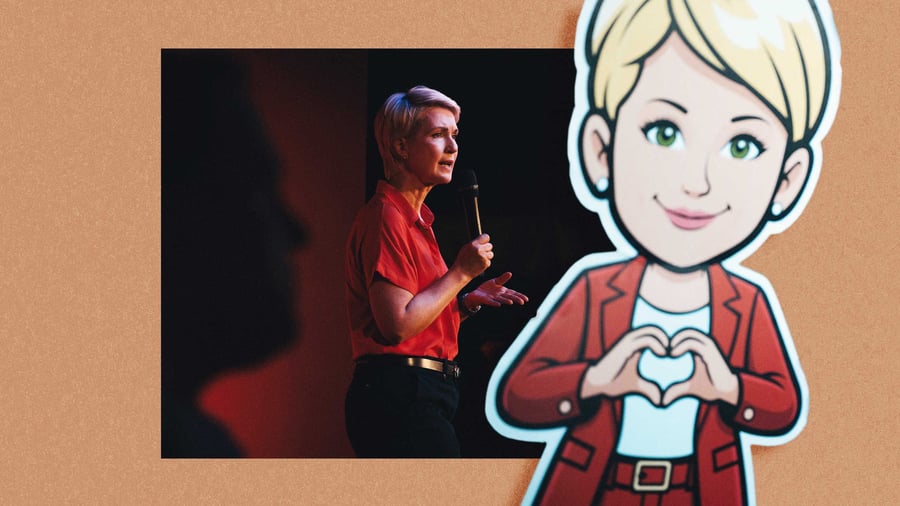
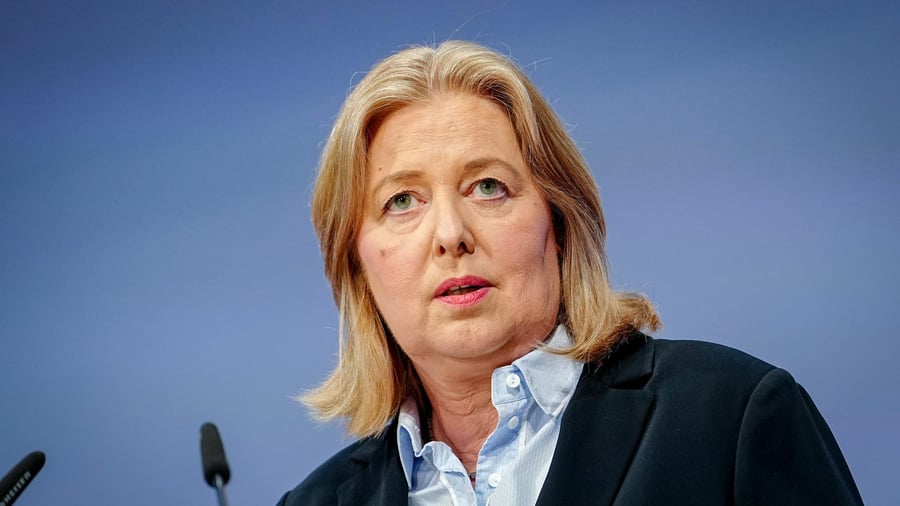
In the city square of Rostock, on a summer afternoon in August, a crowd of young people, including hundreds of students, gathered. As Minister-President Manuela Schwesig entered the ornate hall of the Ducal Palace, she was greeted by a woman in the front row who simply said, "Welcome, Manu." Wearing Adidas sneakers, dark blue chinos, and a red short-sleeved blouse, Schwesig managed to convey the impression that she was meeting people on equal footing.
With her pragmatic approach, Schwesig presented herself as a "pragmatic landlady" in Mecklenburg-Western Pomerania, and this strategy seemed to be working. In the past year, the SPD had fallen nearly 20 percentage points behind the AfD, but now, according to an INSA survey, the gap has narrowed to just two points. As Sunday approaches, Schwesig could potentially stop the "blue wave" that seemed so unlikely.
Despite the winds against her, the SPD's national support stands at around 15 percent, while Schwesig's current following of 35 percent is almost 20 points higher than the national average. Even if she does not emerge as the clear winner on Sunday, but finishes second behind the AfD, she is likely to retain her position. And she suggests going even higher: Schwesig could become the party's future chairwoman, with some even seeing her as a top candidate for the next Bundestag election.
But wait – there's more. Her controversial past, her connections to Russia, and her role in pushing for the Nord Stream 2 gas pipeline have made her one of the most contentious politicians. Despite this, Schwesig has managed to become the new hope for her party. Grown up amidst upheaval, Schwesig now speaks to young people with ease and simplicity, explaining complex political issues in an accessible way.
Reflecting on her own experiences, Schwesig, born in 1974 in Frankfurt (Oder), grew up on the German-Polish border. Her father lost his job after the reunification when Schwesig was 16 years old, an event she describes as "discriminating." Schwesig often shares this story during her campaign, sometimes with tears in her eyes. Growing up in the wake of the German reunification, Schwesig knows firsthand what she wants to give to the people of her country.
With her father's loss of job during the German reunification, the 52-year-old has had to overcome many challenges, and she often shares her story during her campaign, sometimes with tears in her eyes.
Written by urgent.news from Handelsblatt's reporting — not their text. Machine-written — may contain errors; check the original before relying on it.