Regional aviation leaders back push for airport capacity, climate action
Regional aviation authorities across Asia-Pacific and the Middle East have backed a coordinated push to expand airport capacity, overhaul slot allocation rules, and build climate resilience to keep pa...
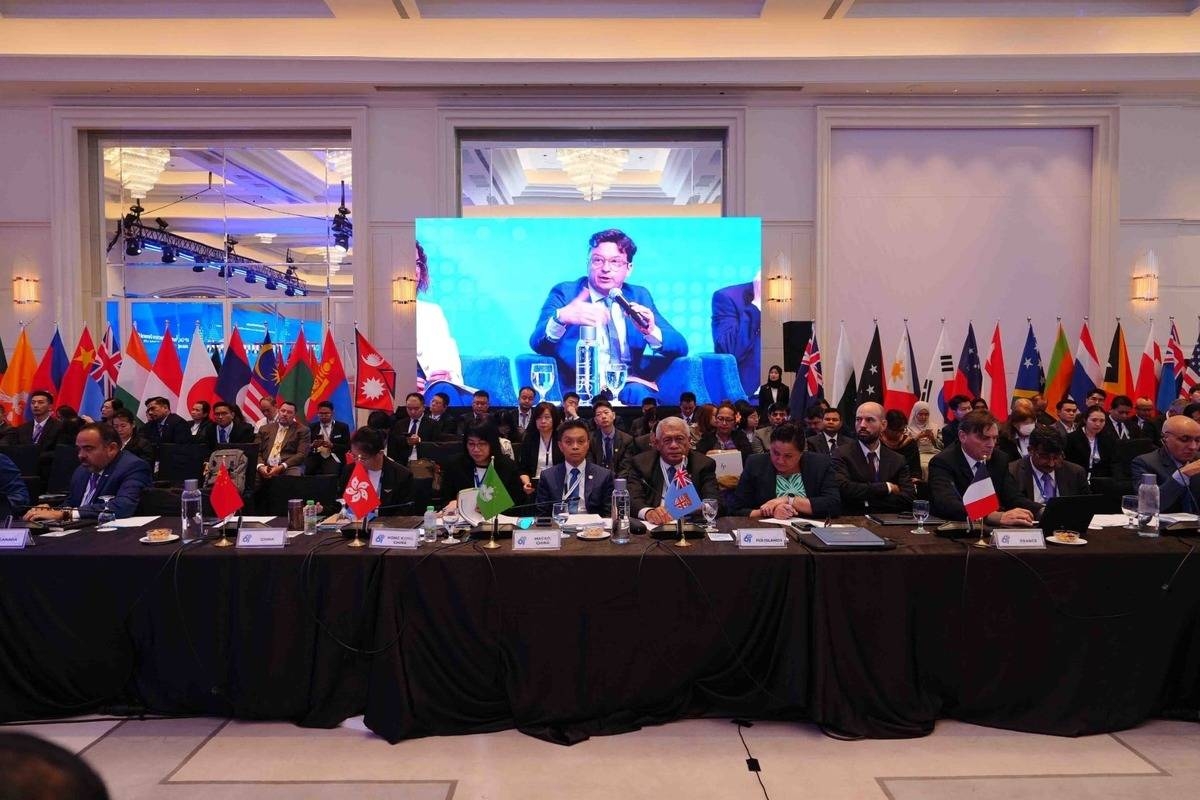
Regional aviation leaders from Asia-Pacific and the Middle East have united in support of an initiative to enhance airport capacity, reform slot allocation regulations, and bolster climate resilience, in response to the growing demand for air travel. This consensus emerged from recommendations discussed at the 61st ICAO Conference of Directors General of Civil Aviation for the Asia and Pacific Regions, which took place in Kuala Lumpur.
Stefano Baronci, the director general of ACI Asia-Pacific & Middle East, emphasized the importance of collaboration between governments, regulators, and industry stakeholders to ensure that infrastructure and policy frameworks align with escalating demand. Baronci affirmed, "As the voice of airports, we are delighted to present the airport perspective in these deliberations and endorse practical policies aimed at augmenting capacity, operational efficiency, and climate action across the sector."
The joint submission, accompanied by the Civil Air Navigation Services Organisation, underscored the requirement for synchronized airport expansion and advancements in air traffic management systems across the region. ACI APAC & MID highlighted the significance of preserving the core principles of the airport slot allocation framework while implementing enhancements to its efficiency and efficacy.
The conference encouraged nations to maintain ongoing stakeholder dialogues to refine the efficiency of slot allocation procedures. To align with sustainability objectives, aviation authorities were urged to endorse regional net-zero roadmaps for airports and apply specialized climate risk assessment instruments to bolster long-term resilience, a proposal that garnered support from Pacific Island nations.
In addition to these policy outcomes, discussions addressed operational hurdles related to airport security, with a particular focus on upgrading facilitation measures as passenger volumes continue to increase. Independently, an assessment on the status of the regional airport industry unveiled mounting financial challenges alongside surging air traffic, reinforcing the critical need for sustained investment in infrastructure.
Written by urgent.news from Gulf Times Business's reporting — not their text. Machine-written — may contain errors; check the original before relying on it.