Apple’s iPhone 18 Pro puts the focus on authenticity
For many years now, Apple has been making the case that the iPhone is the most popular camera in the world. Part of the appeal, to hear the company tell it on stage, is how the camera leverages the iPhone’s considerable processing power to make capturing incredible images easier than ever before. Each year brings a new iPhone that finds new ways to convert visual information from a tiny sensor…
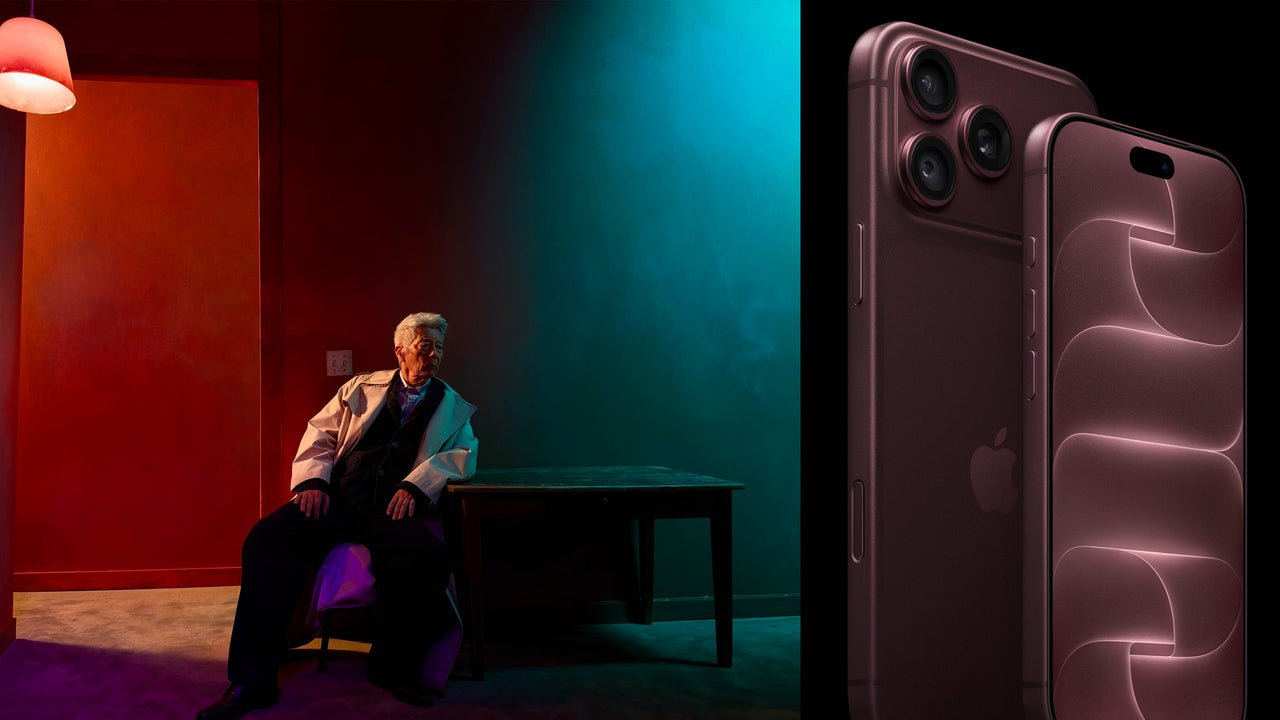
For years, Apple has championed the iPhone as the world's most popular camera, touting its ability to convert visual data into memorable images through advanced processing power. Each new iPhone iteration introduces innovative ways to transform sensor input into lasting memories. With the upcoming iPhone 18 Pro, Apple appears to be sharpening its focus on authenticity, rather than the flawless, overly refined images that have become the norm.
The case for authenticity lies in the belief that imperfections in photographs contribute to the perceived reality of a memory. Cheap point-and-shoot cameras, often considered inferior by those who grew up with iPhones, have gained popularity among Gen Z due to their ability to capture real-world flaws. Competitors such as Google, Xiaomi, and Oppo have responded by incorporating features that emulate the imperfections of traditional film cameras.
Apple, in turn, is responding by expanding its Photographic Styles feature with controls for texture and grain, allowing users to achieve an artful film look or soften skin details. The new functionality adds grain—a reminder of the film's inherent imperfections—and texture, giving users more creative control over the final image.
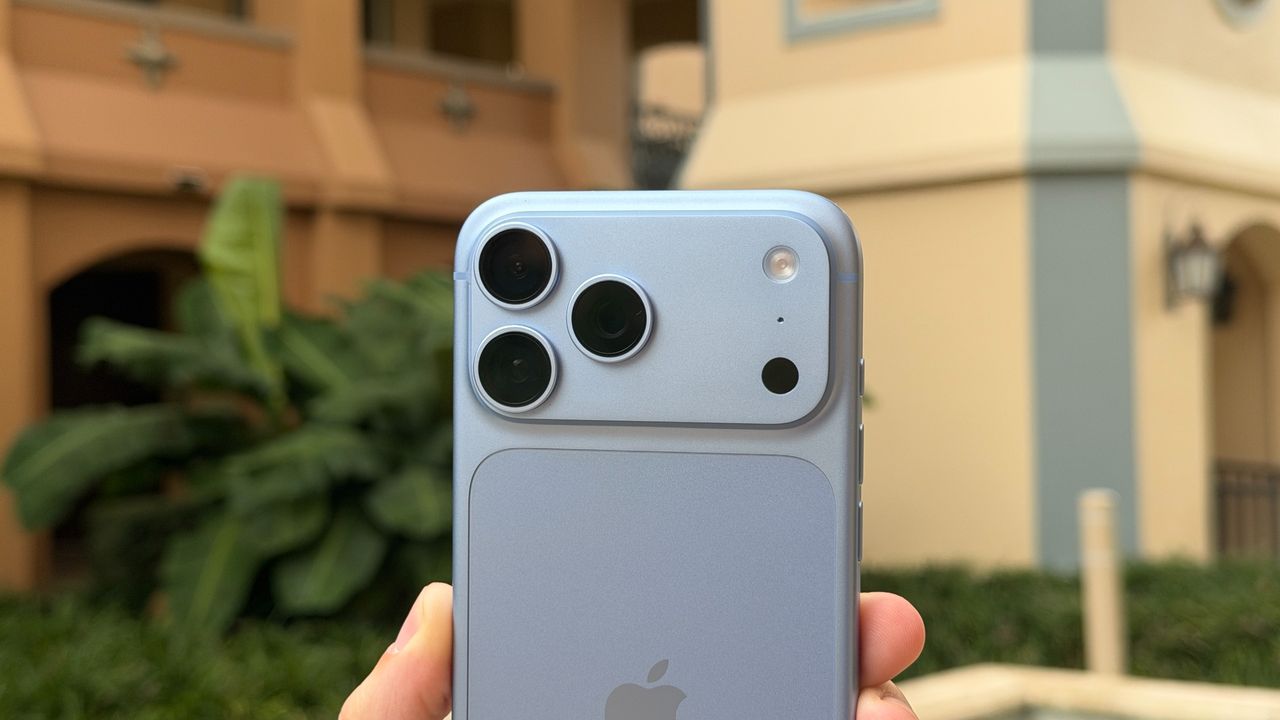
These enhancements will be available on the iPhone 16, 17, and Air models, as well as the iPhone 18 Pro, as part of the iOS 27 update. While the hardware improvements in the iPhone 18 Pro are modest, primarily focusing on a variable aperture system, the company has added a Camera app redesign that includes manual adjustments for aperture, shutter speed, white balance, and a real-time histogram.
Furthermore, Apple has introduced Apple Reference Image, which verifies the authenticity and provenance of photos through cryptographically signed sensor data, enabling users to compare the reference image with the main photograph in Photos to detect any alterations. The new authenticity features are a welcome development, particularly in light of Apple's recent experimentation with AI-powered tools like Reframe, which allows for post-capture image manipulation.
By providing tools to prove the authenticity of images, Apple may be setting new standards for transparency and trust in the realm of smartphone photography.
Written by urgent.news from Fast Company's reporting — not their text. Machine-written — may contain errors; check the original before relying on it.
This story
This is one outlet's version. Read the fullest account.
- Apple iPhone 18 Pro Max review: It’s what’s on the inside that counts mashable.com
- T-Mobile Is the First Carrier to Support Apple’s iPhone Handoff, but It’ll Cost $5 a Month cnet.com
- Apple publishes a technical breakdown of the architecture for the iPhone 18 Pro's Reference Image camera mode; the chain of trust begins at manufacturing time (Marcus Mendes/9to5Mac) 9to5mac.com
- iPhone 18 Pro and 18 Pro Max review: manual camera exposure controls and image quality improvements, but $100 more than the 17 Pro and expensive storage tiers (Allison Johnson/The Verge) theverge.com
- iPhone 18 Pro review: the biggest upgrade Apple's made in years theage.com.au
- iPhone 18 Pro review: the biggest upgrade Apple's made in years smh.com.au