Why switching main characters for your game's sequel might be a mistake
Christian Fonnesbech is a well-known name in the North European games industry. He was previously head of IP development at Nordisk Film Games, but in 2019 he founded Leverage in Copenhagen to help game studios develop their IP. Read more
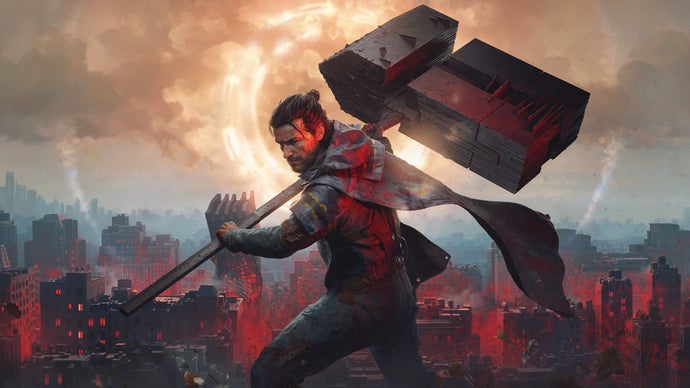
Christian Fonnesbech, a well-known figure in the North European games industry, has warned against switching main characters in a sequel to a video game. As the founder of Leverage, a company that helps game studios develop their intellectual property (IP), he has consulted on various games, including Dead Island, Metro, Conan Exiles, Dune Awakening, Exoborne, and the Dark Pictures Anthology.
Fonnesbech believes that the main character is the most valuable aspect of a game's IP, as it allows players to emotionally connect with the game and is crucial for the franchise's success. He states that even getting to the point of connecting with an audience is incredibly difficult, and any change to the formula poses a significant risk.
Despite the success of games like Hades 2, which switched its main character to Melinoë, an artistic choice, it may not align with the original IP's business goals. Fonnesbech warns that switching main characters can lead to confusion about the IP's identity and expectations, as seen in the upcoming titles Control Resonant, God of War Laufey, and The Witcher 4.
He argues that while it's essential to be creative and try new things, studios should consider the impact on the franchise and the emotional journey players have invested in the main character.
Written by urgent.news from GamesIndustry's reporting — not their text. Machine-written — may contain errors; check the original before relying on it.