Why I am grateful for Asean’s endless meetings
I remember 2011 well. Indonesia was chairing the Association of Southeast Asian Nations, and I was serving as deputy foreign minister for Asean cooperation. I learned a great deal, although if I had to summarise the experience in one word, I would say: meetings. Asean members meet. They talk. They disagree. They issue statements. Then, quite remarkably, they meet again. We meet in conference…
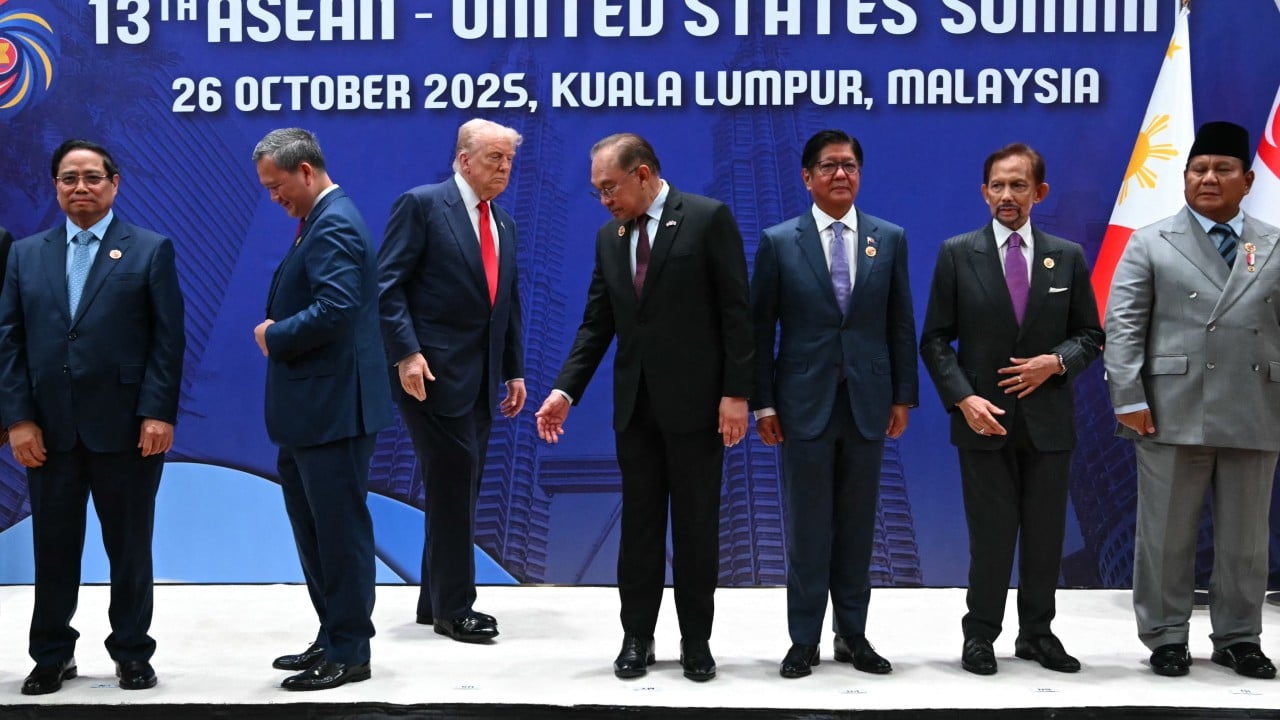
In 2011, the Association of Southeast Asian Nations (Asean) was chaired by Indonesia and the author served as deputy foreign minister for Asean cooperation. The author learned many valuable lessons through the endless meetings, disagreements, and consensus-building practices within the organization. While outsiders may view Asean’s approach as tedious, the author appreciates the willingness to meet repeatedly, especially after disagreements, as it fosters understanding and cooperation.
Asean’s consensus-building process allows countries to accept limits on their power, ensuring stability and predictability in the region. The author believes that this habit of dialogue can offer a valuable lesson for a world accelerating towards multipolarity. Although multipolarity does not dictate how power will be exercised or the kind of order that will emerge, the Global Governance Initiative by China emphasizes sovereign equality as a foundation.
Asean can provide insights on creating order without replicating hierarchy. International order requires power to sustain it, but also limits on how power is used. Institutions reinforce these limits, and countries accept restraint as it benefits everyone by providing broad knowledge of others’ potential actions and dispute management.
However, when power shifts, established and rising powers may have differing views on restraint and rule compliance. Cooperation does not necessitate agreement on everything but requires preserving means to address disagreements. Asean's diversity of political systems, cultures, levels of development, and national interests proves challenging for collective decisions.
Nonetheless, countries can develop a shared understanding of how their different forms of power should be exercised, such as through non-use of force, zone of peace, freedom and neutrality, nuclear-weapon-free zone, Asean centrality, and Asean-plus. While Asean's experience has its limitations, it demonstrates that cooperation does not require complete agreement on everything but rather the preservation of means to address disagreements.
The habit of dialogue creates stability and helps countries adjust to power shifts without allowing every disagreement to escalate into a crisis. The recent Indonesia-China comprehensive strategic dialogue showcases the importance of this habit in fostering cooperation amidst power dynamics.
Written by urgent.news from South China Morning Post's reporting — not their text. Machine-written — may contain errors; check the original before relying on it.
This story
This is one outlet's version. Read the fullest account.