Terrahex wants to build Bitcoin mines around Nigeria’s stranded power
It's a bet already being tested elsewhere on the continent, from flare-gas mining in Bayelsa, southern Nigeria, to Ethiopia's hydroelectricity-powered Bitcoin mining, and its outcome could determine whether energy-rich but grid-poor parts of Africa get to participate in the global crypto compute boom, or keep exporting the opportunity elsewhere.
In May 2025, Olumayowa Ogunnusi, a former oil and gas industry professional, conceived the idea for Terrahex while attending a wedding in the United Kingdom. His friend sparked a discussion about Bitcoin's high electricity costs and how Nigeria's stranded power could provide a solution. Terrahex, a high-performance computing company founded in 2025, aims to capitalize on Nigeria's underutilized electricity by mining Bitcoin and selling the revenue to institutional buyers.
Nigeria's power issue stems from a combination of a shortage of electricity generation and unutilized installed capacity. In Q1 2026, only 4,458MW of the country's 13,625MW of installed generation capacity was available for dispatch, a 16.9% decrease compared to the previous year. Terrahex plans to turn this wasted electricity into revenue through Bitcoin mining, using the business as a gateway to a broader high-performance computing market.
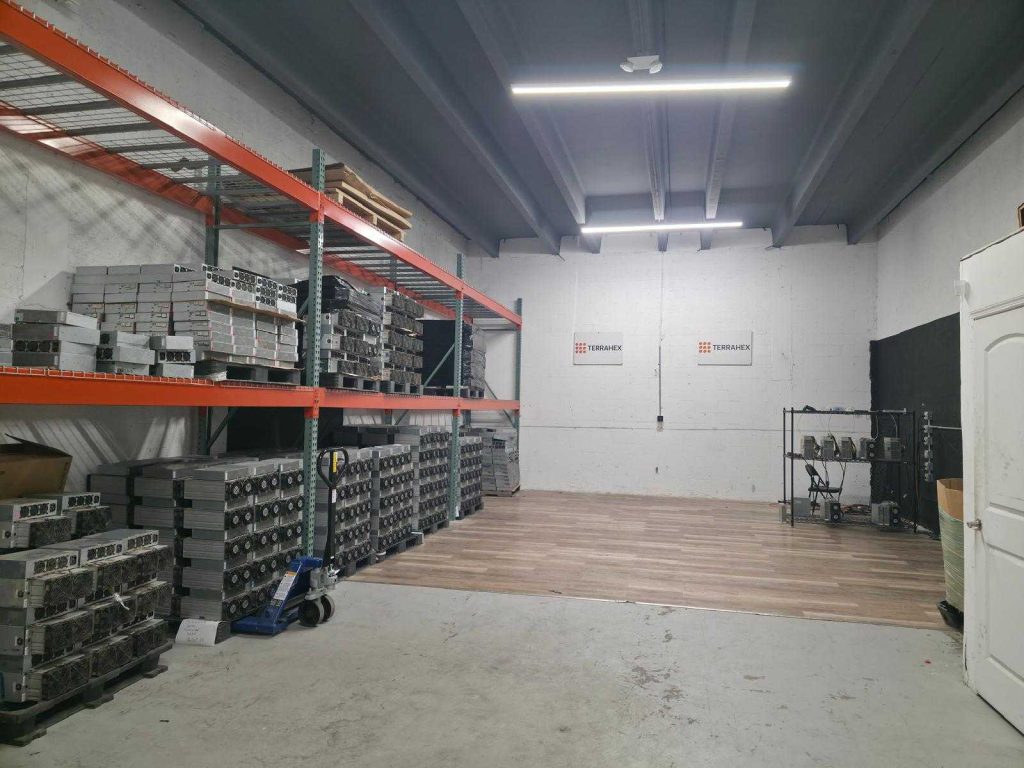
The company is currently constructing its first mining site in Nigeria, called Node One, a 9MW facility with approximately 2,400 Bitcoin miners housed in six containerized units. Ogunnusi anticipates that this site will become fully operational by the end of Q1 2027. Terrahex is also exploring partnerships with energy companies that possess excess capacity to leverage their unused electricity for mining purposes.
By entering into a power-for-equity arrangement, Terrahex offers these partners a share of the profits while providing a guaranteed minimum payment. The company remains pre-revenue and intends to expand its mining sites across Nigeria's oil and gas belt, spanning the western and southern Niger Delta, eastern Nigeria, and Imo State in southeastern Nigeria.
Terrahex's approach avoids the complexities associated with converting other electricity sources, such as flare gas, and concentrates on optimizing already generated electricity, minimizing steps between the energy source and the mining equipment. However, as electricity demand increases, the economics of stranded power might change, potentially making it valuable for households, businesses, and other industries competing for growing electricity capacity.
Written by urgent.news from TechCabal's reporting — not their text. Machine-written — may contain errors; check the original before relying on it.